
Jaret Romano, LPC, LCMHC
New Hampshire · 10 yrs exp
Works with Stress, Anxiety / Addictions / Trauma and abuse +16
Works by Attachment-Based Therapy / Client-Centered Therapy
View ProfileThe therapist listings are provided by BetterHelp and we will earn a commission if you use our link - at no cost to you.
Welcome to LPC Therapists' directory for New Hampshire. All profiles here represent counselors who hold a state-issued LPC, LPCC, or LCPC license; explore individual listings to review credentials, approaches, languages, and experience.
New Hampshire · 10 yrs exp
Works with Stress, Anxiety / Addictions / Trauma and abuse +16
Works by Attachment-Based Therapy / Client-Centered Therapy
View Profile
New Hampshire · 14 yrs exp
Works with Stress, Anxiety / Self esteem / Depression +12
Works by Eye Movement Desensitization and Reprocessing (EMDR)
View Profile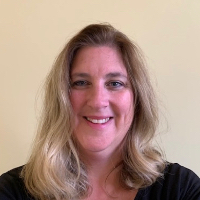
New Hampshire · 24 yrs exp
Works with Stress, Anxiety / Relationship / Family +8
Works by Client-Centered Therapy / Cognitive Behavioral Therapy (CBT)
View Profile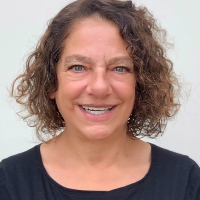
New Hampshire · 7 yrs exp
Works with Trauma and abuse / Grief / Intimacy-related issues +16
Works by Acceptance and Commitment Therapy (ACT) / Attachment-Based Therapy
View Profile
New Hampshire · 11 yrs exp
Works with Stress, Anxiety / Addictions / Self esteem +8
Works by Client-Centered Therapy / Cognitive Behavioral Therapy (CBT)
View Profile
New Hampshire · 30 yrs exp
Works with Addictions / Career / Coping with life changes +6
Works by Acceptance and Commitment Therapy (ACT) / Client-Centered Therapy
View Profile
New Hampshire · 9 yrs exp
Works with Stress, Anxiety / Trauma and abuse / Parenting +2
Works by Acceptance and Commitment Therapy (ACT) / Client-Centered Therapy
View ProfileOnline counseling with licensed professional counselors is a common option for people across New Hampshire. The counselors listed here hold credentials issued by state licensing boards for the licensed professional counselor family of credentials. Those titles include LPC, LPCC, and LCPC depending on the state; for example, someone in Illinois may hold an LCPC while a counselor in Ohio may hold an LPCC. These are state-specific names for the licensed professional counselor credential rather than a different kind of service. Requirements for the credential generally include a master’s degree in counseling, a period of supervised postgraduate clinical experience lasting commonly two to three years and amounting to several thousand hours, and passage of a national counseling exam. State boards set the details for education, supervision, and renewal, so the exact phrase on a license can vary by state.
When services are provided online, those same licensing rules still matter. Counselors must hold the right license to practice with residents of a state, and licensing boards determine what is allowed across state lines. For New Hampshire residents, online counseling can be provided by counselors licensed in New Hampshire or by counselors who meet any applicable interstate practice rules. Because licensure governs scope of practice and professional oversight, the credentials you see listed are a primary way to understand who you are considering.
You might choose online sessions because they make it easier to fit counseling into a busy life. For people living in rural parts of New Hampshire, or anyone who has limited local options, remote sessions remove travel time and can bring a wider range of counselor experience to your doorstep. Online sessions can make scheduling more flexible around work, family, or school commitments, and they can allow you to meet with someone who matches your language preference or cultural background even if that person is not local.
Licensed professional counselors bring a training focus that emphasizes wellness and development. That orientation means counselors typically start from how you are functioning and what you want to work toward, rather than focusing only on a diagnosis. In an online setting you can pursue that forward-looking, goal-oriented work in many of the same ways as in-person counseling, using conversation, problem solving, and collaboration on strategies you can practice between sessions. Online formats also let you maintain continuity through weather events or travel, which is an everyday consideration in New Hampshire winters.
Licensed professional counselors often work with a wide range of life concerns. You may see counselors who list areas such as anxiety, depression, relationship difficulties, life transitions, career stress, grief, and parenting challenges among their focus areas. Many counselors also list experience with coping after traumatic events, though a listing of an approach is not proof of a particular training credential. When choosing a counselor, look at the profile information that describes what a counselor focuses on and what approaches they list; that helps you match the kinds of conversations you want to have.
Because counselor training emphasizes a developmental and functional perspective, you can expect a focus on what you want to change and how you want to feel or function differently. That can be helpful whether you are seeking short-term support for a particular episode of stress or longer-term work on recurring patterns. Online sessions can accommodate both kinds of goals. If you have concerns tied to safety or urgent medical issues, you should consult appropriate local emergency and health services; online counselor profiles describe credentials, not crisis response resources.
Verifying a counselor's license is a practical step you can take before beginning counseling. State licensing boards maintain public records that show whether a professional holds a current license, the license type, the license status, expiration dates, and any disciplinary actions. To verify a license in New Hampshire, use the state licensing board’s online license lookup tool or contact the board directly. If a counselor's profile lists an LPC, LPCC, or LCPC, the board record will show the exact title used in that state and whether the license is active.
When you look at a board record, pay attention to the date the license was issued, the expiration or renewal cycle, and whether the record shows any disciplinary history. Those items are objective facts about licensure. If a profile mentions specialized approaches or clinical interests, remember that the board verifies only the licensure itself and not the counselor’s claims about training in specific methods. Licensing verification gives you a reliable baseline about the professional standing of a counselor identified in the directory.
Getting started begins with a review of profiles to find counselors whose education, license type, experience, and language skills align with what you want. Look for profiles that describe how long a counselor has been practicing after graduate school and what populations or life stages they list. Because approaches are described in profile text, note any approaches a counselor lists and consider whether those approaches sound like a fit for how you prefer to work. Remember that a listing is not the same as a certification claim; phrasing such as "therapists who list EMDR among their approaches" is the accurate way to read a profile.
When you contact a counselor for an initial conversation, you can ask about the counselor's education, the nature of their supervised postgraduate experience, the license type they hold and the state that issued it, and what populations they commonly work with. It is reasonable to ask whether they provide services in a language you prefer and whether they have experience with issues similar to yours. You can also ask practical questions about technology platforms and what to expect for session length and frequency. These questions help you assess fit without relying on operational details that change frequently.
Choosing the right counselor often comes down to how comfortable you feel with the counselor's style and stated focus areas. If a counselor's profile mentions working with adults during life transitions and you are facing a career change, that alignment can be meaningful. If you prefer a counselor who emphasizes skills and action plans, look for descriptions that highlight collaborative goal setting. If relationship work or family work is central, look for counselors who list those areas among their interests. Language and cultural background can matter too, so review those details if they are important to you.
Before your first session, check that you have a reliable internet connection and a quiet place to talk where you feel comfortable. Decide whether you prefer video or phone contact and confirm technology expectations with the counselor. Have a short list of topics you want to cover so the initial session can focus on goals and practical next steps. Keep in mind that initial conversations are often exploratory, aimed at finding whether the counselor's style and focus match what you want to work on.
Online counseling with a licensed professional counselor can be a practical and effective way to access help across New Hampshire. Use the licensing information on profiles as a starting point, verify credentials with the state licensing board if you want additional assurance, and look for alignment in education, supervised experience, languages, and focus areas. Taking a careful, informed approach to selecting a counselor helps you find someone who fits the kind of support and approach you prefer.
Addictions
3943 therapists
ADHD
3458 therapists
Anger
4910 therapists
Bipolar
3276 therapists
Chronic Illness
1400 therapists
Chronic Pain
1400 therapists
Compulsion
1793 therapists
Control Issues
3405 therapists
Depression
7562 therapists
Disaster Relief Therapy
1589 therapists
Dissociation
1024 therapists
Domestic Violence
1847 therapists
Eating Disorders
1431 therapists
Gambling
1264 therapists
Grief
5423 therapists
Guilt and Shame
5249 therapists
Impulsivity
2930 therapists
Intimacy Issues
3246 therapists
Isolation / Loneliness
4674 therapists
Midlife Crisis
2791 therapists
Mood Disorders
3964 therapists
Obsession
1793 therapists
OCD
1793 therapists
Panic Disorder and Panic Attacks
3557 therapists
Phobias
1231 therapists
Post-Traumatic Stress
4486 therapists
Postpartum Depression
1885 therapists
Seasonal Affective Disorder (SAD)
2404 therapists
Self Esteem
7264 therapists
Self-Harm
2045 therapists
Sexual Trauma
1893 therapists
Sleeping Disorders
1660 therapists
Social Anxiety and Phobia
4660 therapists
Stress & Anxiety
8411 therapists
Trauma and Abuse
6190 therapists
Abandonment
3127 therapists
Adoption
1317 therapists
Aging and Geriatric Issues
1699 therapists
Attachment Issues
3292 therapists
Blended Family Issues
2427 therapists
Body Image
2333 therapists
Career
3991 therapists
Caregiver Issues and Stress
3313 therapists
Codependency
3031 therapists
Commitment Issues
2290 therapists
Communication Problems
5958 therapists
Compassion Fatigue
3358 therapists
Coping with Life Changes
6589 therapists
Divorce
3745 therapists
Family
5339 therapists
Family of Origin Issues
2406 therapists
Fatherhood Issues
1380 therapists
Fertility Issues
728 therapists
First Responder Issues
1582 therapists
Forgiveness
4945 therapists
Foster Care
1317 therapists
Hospice and End-of-Life Counseling
1084 therapists
Infidelity
2182 therapists
Jealousy
2050 therapists
Life Purpose
5444 therapists
Money and Financial Issues
1848 therapists
Parenting
4437 therapists
Pregnancy
1419 therapists
Relationship
6494 therapists
Self-Love
5538 therapists
Separation
3745 therapists
Sexuality
1706 therapists
Workplace Issues
3701 therapists