
Rick Fulton, LPC
Texas · 30 yrs exp
Works with Stress, Anxiety / Addictions / Anger +14
Works by Cognitive Behavioral Therapy (CBT) / Mindfulness Therapy
View ProfileThe therapist listings are provided by BetterHelp and we will earn a commission if you use our link - at no cost to you.
Find licensed professional counselors who list LGBT specialty across the United States, including those with LPC, LPCC, and LCPC credentials. Browse the listings below to review counselor profiles, focus areas, approaches, languages, and experience.
Texas · 30 yrs exp
Works with Stress, Anxiety / Addictions / Anger +14
Works by Cognitive Behavioral Therapy (CBT) / Mindfulness Therapy
View Profile
Texas · 20 yrs exp
Works with Stress, Anxiety / LGBT / Relationship +17
Works by Acceptance and Commitment Therapy (ACT) / Cognitive Behavioral Therapy (CBT)
View Profile
Georgia · 20 yrs exp
Works with Stress, Anxiety / Addictions / Relationship +13
Works by Client-Centered Therapy / Cognitive Behavioral Therapy (CBT)
View Profile
Michigan · 25 yrs exp
Works with Stress, Anxiety / LGBT / Relationship +11
Works by Attachment-Based Therapy / Cognitive Behavioral Therapy (CBT)
View Profile
California · 14 yrs exp
Works with Stress, Anxiety / Relationship / Family +10
Works by Attachment-Based Therapy / Client-Centered Therapy
View Profile
Missouri · 23 yrs exp
Works with Stress, Anxiety / Addictions / Trauma and abuse +11
Works by Client-Centered Therapy / Cognitive Behavioral Therapy (CBT)
View Profile
Oregon · 17 yrs exp
Works with Stress, Anxiety / Anger / Self esteem +13
Works by Client-Centered Therapy / Cognitive Behavioral Therapy (CBT)
View Profile
Georgia · 10 yrs exp
Works with Stress, Anxiety / Grief / Self esteem +11
Works by Client-Centered Therapy / Cognitive Behavioral Therapy (CBT)
View Profile
Maine · 12 yrs exp
Works with Stress, Anxiety / Self esteem / Depression +17
Works by Client-Centered Therapy / Cognitive Behavioral Therapy (CBT)
View Profile
Colorado · 17 yrs exp
Works with Relationship / Trauma and abuse / Parenting +9
Works by Acceptance and Commitment Therapy (ACT) / Attachment-Based Therapy
View Profile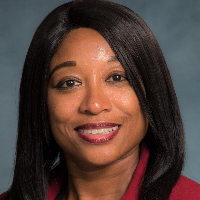
Georgia · 8 yrs exp
Works with Stress, Anxiety / Relationship / Family +12
Works by Client-Centered Therapy / Cognitive Behavioral Therapy (CBT)
View Profile
Colorado · 15 yrs exp
Works with Stress, Anxiety / Relationship / Intimacy-related issues +11
Works by Acceptance and Commitment Therapy (ACT) / Attachment-Based Therapy
View Profile
Louisiana · 7 yrs exp
Works with Stress, Anxiety / Family / Trauma and abuse +16
Works by Acceptance and Commitment Therapy (ACT) / Attachment-Based Therapy
View Profile
New Jersey · 5 yrs exp
Works with Stress, Anxiety / Relationship / Family +13
Works by Client-Centered Therapy / Cognitive Behavioral Therapy (CBT)
View Profile
Maryland · 6 yrs exp
Works with Stress, Anxiety / Trauma and abuse / Self esteem +11
Works by Attachment-Based Therapy / Client-Centered Therapy
View Profile
Maryland · 10 yrs exp
Works with Stress, Anxiety / Relationship / Family +13
Works by Client-Centered Therapy / Cognitive Behavioral Therapy (CBT)
View Profile
Michigan · 5 yrs exp
Works with Stress, Anxiety / Relationship / Family +13
Works by Acceptance and Commitment Therapy (ACT) / Cognitive Behavioral Therapy (CBT)
View Profile
Pennsylvania · 12 yrs exp
Works with Stress, Anxiety / Relationship / Self esteem +12
Works by Client-Centered Therapy / Cognitive Behavioral Therapy (CBT)
View Profile
New York · 9 yrs exp
Works with Stress, Anxiety / Anger / Self esteem +14
Works by Acceptance and Commitment Therapy (ACT) / Client-Centered Therapy
View Profile
Texas · 10 yrs exp
Works with Stress, Anxiety / Relationship / Family +15
Works by Acceptance and Commitment Therapy (ACT) / Attachment-Based Therapy
View Profile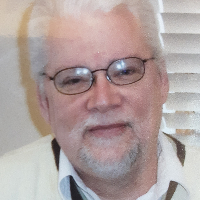
Michigan · 45 yrs exp
Works with Stress, Anxiety / Addictions / Trauma and abuse +11
Works by Client-Centered Therapy / Cognitive Behavioral Therapy (CBT)
View Profile
Illinois · 10 yrs exp
Works with Stress, Anxiety / LGBT / Relationship +11
Works by Client-Centered Therapy / Emotionally-Focused Therapy (EFT)
View Profile
Texas · 11 yrs exp
Works with Stress, Anxiety / Trauma and abuse / Career +10
Works by Acceptance and Commitment Therapy (ACT) / Cognitive Behavioral Therapy (CBT)
View Profile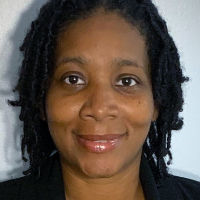
Florida · 13 yrs exp
Works with Stress, Anxiety / Anger / Depression +14
Works by Cognitive Behavioral Therapy (CBT) / Dialectical Behavior Therapy (DBT)
View Profile
Georgia · 14 yrs exp
Works with Stress, Anxiety / LGBT / Trauma and abuse +10
Works by Client-Centered Therapy / Cognitive Behavioral Therapy (CBT)
View Profile
Wisconsin · 23 yrs exp
Works with Stress, Anxiety / Trauma and abuse / Eating +14
Works by Acceptance and Commitment Therapy (ACT) / Client-Centered Therapy
View Profile
Colorado · 11 yrs exp
Works with Stress, Anxiety / LGBT / Trauma and abuse +16
Works by Acceptance and Commitment Therapy (ACT) / Client-Centered Therapy
View Profile
North Carolina · 18 yrs exp
Works with Stress, Anxiety / Addictions / Trauma and abuse +14
Works by Client-Centered Therapy / Cognitive Behavioral Therapy (CBT)
View Profile
Florida · 30 yrs exp
Works with Stress, Anxiety / Relationship / Trauma and abuse +15
Works by Acceptance and Commitment Therapy (ACT) / Client-Centered Therapy
View Profile
Texas · 8 yrs exp
Works with Stress, Anxiety / Grief / Self esteem +12
Works by Cognitive Behavioral Therapy (CBT) / Solution-Focused Therapy
View Profile
Texas · 22 yrs exp
Works with Stress, Anxiety / Relationship / Trauma and abuse +17
Works by Acceptance and Commitment Therapy (ACT) / Attachment-Based Therapy
View Profile
Georgia · 19 yrs exp
Works with Stress, Anxiety / Addictions / Trauma and abuse +12
View Profile
Texas · 25 yrs exp
Works with Stress, Anxiety / Family / Intimacy-related issues +16
Works by Attachment-Based Therapy / Client-Centered Therapy
View Profile
Texas · 10 yrs exp · 2 languages
Works with Stress, Anxiety / Relationship / Anger +17
Works by Cognitive Behavioral Therapy (CBT) / Solution-Focused Therapy
View Profile
Pennsylvania · 12 yrs exp
Works with Stress, Anxiety / LGBT / Relationship +9
View Profile
Georgia · 17 yrs exp
Works with Relationship / Family / Trauma and abuse +14
Works by Acceptance and Commitment Therapy (ACT) / Attachment-Based Therapy
View Profile
Ohio · 20 yrs exp · 2 languages
Works with Stress, Anxiety / Addictions / Relationship +16
Works by Acceptance and Commitment Therapy (ACT) / Client-Centered Therapy
View Profile
Georgia · 3 yrs exp
Works with Stress, Anxiety / Relationship / Family +7
Works by Cognitive Behavioral Therapy (CBT)
View Profile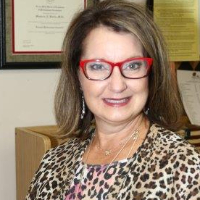
Texas · 4 yrs exp
Works with Stress, Anxiety / Addictions / Relationship +4
Works by Acceptance and Commitment Therapy (ACT) / Client-Centered Therapy
View Profile
Louisiana · 16 yrs exp
Works with Stress, Anxiety / Relationship / Career +15
Works by Client-Centered Therapy / Cognitive Behavioral Therapy (CBT)
View Profile
Oregon · 15 yrs exp
Works with Stress, Anxiety / Addictions / Relationship +13
Works by Client-Centered Therapy / Cognitive Behavioral Therapy (CBT)
View Profile
Texas · 14 yrs exp
Works with Stress, Anxiety / Addictions / Anger +11
Works by Client-Centered Therapy / Cognitive Behavioral Therapy (CBT)
View Profile
Maryland · 25 yrs exp
Works with Stress, Anxiety / Addictions / Relationship +13
Works by Acceptance and Commitment Therapy (ACT) / Client-Centered Therapy
View Profile
Missouri · 30 yrs exp
Works with Stress, Anxiety / Relationship / Family +13
Works by Client-Centered Therapy / Cognitive Behavioral Therapy (CBT)
View Profile
South Carolina · 5 yrs exp
Works with Relationship / Family / Trauma and abuse +16
Works by Cognitive Behavioral Therapy (CBT) / Motivational Interviewing
View Profile
Louisiana · 10 yrs exp
Works with Stress, Anxiety / Trauma and abuse / Anger +9
Works by Client-Centered Therapy / Cognitive Behavioral Therapy (CBT)
View Profile
Louisiana · 12 yrs exp
Works with Relationship / Parenting / Anger +15
Works by Cognitive Behavioral Therapy (CBT) / Psychodynamic Therapy
View Profile
Michigan · 13 yrs exp
Works with Stress, Anxiety / Addictions / Trauma and abuse +17
Works by Acceptance and Commitment Therapy (ACT) / Client-Centered Therapy
View ProfileWhen people use the term LGBT they are referring to a range of sexual orientations and gender identities - lesbian, gay, bisexual, and transgender - and the communities and experiences connected to them. For many people the letters expand to include queer, questioning, intersex, asexual, and other identities that sit outside cisgender heterosexual norms. Being part of an LGBT community can bring connection and clarity about who you are, and it can also bring situations that affect your mental and emotional life in particular ways.
You may navigate coming out to family, friends, coworkers, or schools. You may face discrimination, microaggressions, or exclusion in daily life or in institutions. You may be managing relationship questions, concerns about intimacy, or uncertainty about identity exploration. Some people encounter stress related to transition processes, medical decision making, name or pronoun changes, or legal issues. These experiences influence mood, self-esteem, and functioning, and they are often the reasons people look for a counselor who understands LGBT-specific concerns.
Counselors who hold an LPC, LPCC, or LCPC license have graduate training in counseling and a professional orientation that often emphasizes wellness and development. That orientation means sessions typically focus on how you are functioning now and what you want to work toward, rather than starting primarily from a diagnostic label. If you want a counselor who frames conversations around goals, coping, and life changes as well as any distress you may be feeling, you may find this training approach aligns with your needs.
You might consider seeking a counselor when everyday experiences related to sexual orientation or gender identity are causing significant stress, or when you want support for major life decisions. If you find yourself avoiding social situations because of fear of judgment, feeling stuck while thinking about coming out, or experiencing persistent anxiety or low mood tied to identity-related events, a counselor can offer a structured place to explore those issues.
Other signs include relationship strain that relates to identity topics, repeated conflict with family members over acceptance, difficulty navigating medical or legal steps, and uncertainty about next steps in a gender transition. Some people look for counseling when workplace dynamics become hostile or when they are coping with trauma related to hate incidents or past abuse. You may also pursue counseling proactively to strengthen coping skills, deepen self-understanding, or improve communication in relationships.
If you are weighing whether to reach out, consider what you would want to change or achieve. Wanting to reduce anxiety about social interactions, to plan next steps around coming out, or to process grief or loss related to identity are all valid reasons to look for a counselor. Licensed professional counselors often combine goal-focused work with attention to emotional processing, helping you move from idea to action while attending to your wellbeing.
Your first sessions are likely to prioritize getting a clear sense of what brings you in and what you hope to achieve. A counselor who holds an LPC, LPCC, or LCPC will typically ask about your background, current stressors, and supports. Because licensing is state-based, the counselor will work under the scope of the state's practice guidelines, and the exact terms of licensure may differ by state. In some places the title LPCC or LCPC is used instead of LPC; in a few states the clinical title may reflect additional supervised experience rather than a different profession. That naming is a matter of the state's board rules rather than a statement about the counselor's worth.
During early sessions you and the counselor will shape treatment goals that reflect what you want to change, build, or understand. Counselors often emphasize measurable steps - reduced avoidance, clearer communication, better management of dysphoria, or smoother navigation of medical or legal options. You should expect a collaborative approach to goal setting and ongoing check-ins about progress and what is working for you.
Ongoing sessions will blend practical problem solving, emotional exploration, skill-building, and planning. If you are processing trauma, the pace will be tailored to your readiness and comfort. If you are exploring identity or relationships, sessions may alternate between reflective work and actionable steps, such as drafting a coming-out plan or rehearsing conversations. Because the counseling orientation is developmental - focusing on functioning and strengths as well as struggles - you can expect attention to both coping strategies and long-term growth.
Counselors who list different approaches often draw from a range of methods to fit the needs of the person in front of them. Cognitive-behavioral methods are commonly described when people want help with anxiety or mood by examining patterns of thought and behavior. Humanistic or person-centered language may be used when the counselor emphasizes acceptance, empathy, and the client's own capacity for growth. Narrative approaches can be helpful if you want to explore the stories you carry about identity and rewrite them in ways that feel more authentic.
You will also find counselors who list approaches such as acceptance and commitment-oriented work that focuses on values and behavior change, or emotion-focused methods that attend to how feelings are experienced in the body and relationships. Some profiles indicate therapists who list trauma-informed strategies among their approaches; that usually signals attention to safety and pacing when past harm is part of the picture. When you read a counselor profile, note that the source data records only that a counselor lists an approach - it is not evidence of a specific certification. If a particular method matters to you, look for how the counselor describes applying it to LGBT-related concerns in their profile.
Online counseling can increase access to counselors who list LGBT specialty, especially if local options are limited. When you connect online you will typically meet by video, phone, or messaging platforms. The clinical license that a counselor holds - LPC, LPCC, or LCPC - is issued by a state board, and counselors must follow the regulations where they are licensed. This means a counselor licensed in one state may have limits on providing clinical services to someone in another state depending on licensing rules. It is useful to know the state context because the title and scope can vary.
Online sessions can be well-suited to identity exploration, relationship conversations, and support during transitions because they allow you to meet from a personal setting and sometimes on a schedule that fits your life. Think about the environment where you will join sessions so you can speak freely. If privacy at home is limited, plan where you will sit and how you will manage interruptions. Many people find remote work helpful for accessing counselors who share their language, cultural background, or particular experience with LGBT issues even if those counselors practice in another city.
Choosing a counselor is a personal process that often starts with identifying the qualities and experience that matter most to you. Look at counselor profiles to learn whether they explicitly mention LGBT work, what focus areas they highlight, and which approaches they list. Pay attention to languages spoken and any notes about work with specific populations - youth, older adults, couples, or people pursuing gender-affirming care - because those details indicate practical experience areas rather than claims of superiority.
Also consider the licensing title and state. LPC, LPCC, and LCPC all identify the counseling profession under different state names. In Illinois, Maryland, and Montana the license commonly appears as LCPC. In Ohio, California, Kentucky, and Minnesota you may see LPCC. In most other states the title LPC is used. In some states the clinical title may represent a stage of practice governed by the state board. This matters when you want to confirm a counselor’s standing with their issuing board and understand how their licensure is described where they practice.
Finally, trust your instincts about the language a counselor uses in their profile. If their description aligns with how you think and talk about your identity and needs, that can be a helpful sign. Compare focus areas, approaches, credentials, languages, and experience across profiles to find someone whose style and background resonate with you. Taking that step can make it easier to start the work you want to do on identity, relationships, and wellbeing.
Choosing the right counselor takes time and reflection, but the profiles on this site are a place to begin. Use the listings to gather information about licensed counselors who list LGBT work and to learn which credentials and descriptions match what you are looking for.
Alabama
238 therapists
Alaska
20 therapists
Arizona
196 therapists
Arkansas
116 therapists
California
174 therapists
Colorado
346 therapists
Connecticut
79 therapists
Delaware
4 therapists
District of Columbia
26 therapists
Florida
152 therapists
Georgia
623 therapists
Hawaii
5 therapists
Idaho
90 therapists
Illinois
383 therapists
Indiana
22 therapists
Iowa
11 therapists
Kansas
41 therapists
Kentucky
128 therapists
Louisiana
310 therapists
Maine
42 therapists
Maryland
174 therapists
Massachusetts
5 therapists
Michigan
318 therapists
Minnesota
117 therapists
Mississippi
151 therapists
Missouri
388 therapists
Montana
78 therapists
Nebraska
12 therapists
Nevada
36 therapists
New Hampshire
7 therapists
New Jersey
261 therapists
New Mexico
61 therapists
New York
32 therapists
North Carolina
89 therapists
North Dakota
12 therapists
Ohio
281 therapists
Oklahoma
278 therapists
Oregon
89 therapists
Pennsylvania
523 therapists
Rhode Island
4 therapists
South Carolina
281 therapists
South Dakota
28 therapists
Tennessee
143 therapists
Texas
1899 therapists
Utah
19 therapists
Vermont
8 therapists
Virginia
287 therapists
Washington
19 therapists
West Virginia
46 therapists
Wisconsin
210 therapists
Wyoming
45 therapists