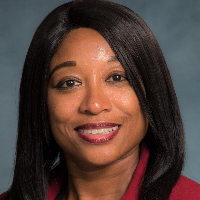
About Vivia
Dr. Vivia Hill-Silcott helps people manage stress, anxiety, depression, grief, relationship strain, and issues around identity and self-esteem. She addresses trauma, addiction-related concerns, intimacy questions, panic, obsessive thoughts, and workplace or career stress.
Her approach is straightforward and person-focused. She uses short, clear conversations to learn what matters most to each person. Sessions often include practical tools from cognitive behavioral work and skills drawn from dialectical behavior methods.
Mindfulness practices and emotion-focused techniques are used when they match a client's needs.
Background and approach
Dr. Hill-Silcott holds a PhD in Counselor Education and Supervision and is a Licensed Professional Counselor, LPC. She has eight years of experience working with people facing identity-related stress, grief, trauma, and anxiety.
She lives in Georgia. She favors a warm, respectful tone in sessions and looks for ways to help people feel heard. Assessment tools are sometimes used to clarify problems and track progress.
She affirms how identity and culture shape each person's experience. When learning goals together, she combines approaches rather than relying on a single method. That keeps sessions flexible and focused on concrete steps.
The aim is to help people regain a sense of control and move toward a more satisfying life.
Approaches that guide online work and flexibility
Client-Centered Therapy focuses on creating a warm, accepting conversation where the person sets the pace and topics. It helps people feel understood and clarifies what they want to change. Cognitive Behavioral Therapy, or CBT, looks at how thoughts, feelings, and behaviors connect and uses practical exercises to reduce anxiety, panic, and obsessive thinking. Dialectical Behavior Therapy, DBT, teaches skills for managing intense emotions, improving tolerance for distress, and strengthening relationships.Finding the right approach is a joint effort. The therapist will discuss goals and try methods that fit a person's needs and preferences. That collaborative process may combine techniques from the approaches above so sessions stay flexible and outcome-focused.
Online formats include video calls, phone sessions, live chat, and text-based messaging. Video is useful for deeper work that benefits from face-to-face interaction. Phone can be easier when bandwidth is limited or for shorter check-ins. Live chat and messaging let people check in between sessions or keep a running conversation without scheduling a full call. These options make it easier to fit therapy into work, school, or busy family routines.
Questions people ask
What kinds of concerns does she address?
What is her general therapeutic style?
What is her background and experience?
Where is she licensed and based?
Which languages are supported and can she work internationally?
What session formats are offered?
How does payment and cost work?
How do I begin working with her?
What this counselor works with
Most often
- Stress, Anxiety
- Relationship issues
- Family conflicts
Also listed
- Abandonment
- Addictions
- Anger management
- Career difficulties
- Coaching
- Compassion fatigue
- Coping with life changes
- Depression
- Forgiveness
- Grief
- Guilt and shame
- Intimacy-related issues
- LGBT
- Multicultural concerns
- Obsessions, compulsions, and OCD
- Panic disorder and panic attacks
- Post-traumatic stress
- Prejudice and discrimination
- Self esteem
- Self-harm
- Self-love
- Social anxiety and phobia
- Trauma and abuse
Therapeutic approaches
- Experience
- 8 years
- Licensed
- Georgia
- Languages
- English