
Rick Fulton, LPC
Texas · 30 yrs exp
Works with Stress, Anxiety / Addictions / Anger +14
Works by Cognitive Behavioral Therapy (CBT) / Mindfulness Therapy
View ProfileThe therapist listings are provided by BetterHelp and we will earn a commission if you use our link - at no cost to you.
This directory lists licensed professional counselors who work with stress and anxiety under the LPC, LPCC, or LCPC titles in U.S. states. Browse the profiles below to review counselors' focus areas, approaches, languages, and experience.
Texas · 30 yrs exp
Works with Stress, Anxiety / Addictions / Anger +14
Works by Cognitive Behavioral Therapy (CBT) / Mindfulness Therapy
View Profile
Texas · 20 yrs exp
Works with Stress, Anxiety / LGBT / Relationship +17
Works by Acceptance and Commitment Therapy (ACT) / Cognitive Behavioral Therapy (CBT)
View Profile
Georgia · 20 yrs exp
Works with Stress, Anxiety / Addictions / Relationship +13
Works by Client-Centered Therapy / Cognitive Behavioral Therapy (CBT)
View Profile
Michigan · 25 yrs exp
Works with Stress, Anxiety / LGBT / Relationship +11
Works by Attachment-Based Therapy / Cognitive Behavioral Therapy (CBT)
View Profile
California · 14 yrs exp
Works with Stress, Anxiety / Relationship / Family +10
Works by Attachment-Based Therapy / Client-Centered Therapy
View Profile
Missouri · 23 yrs exp
Works with Stress, Anxiety / Addictions / Trauma and abuse +11
Works by Client-Centered Therapy / Cognitive Behavioral Therapy (CBT)
View Profile
Oregon · 17 yrs exp
Works with Stress, Anxiety / Anger / Self esteem +13
Works by Client-Centered Therapy / Cognitive Behavioral Therapy (CBT)
View Profile
Georgia · 19 yrs exp
Works with Stress, Anxiety / Relationship / Family +8
View Profile
Georgia · 10 yrs exp
Works with Stress, Anxiety / Grief / Self esteem +11
Works by Client-Centered Therapy / Cognitive Behavioral Therapy (CBT)
View Profile
Maine · 12 yrs exp
Works with Stress, Anxiety / Self esteem / Depression +17
Works by Client-Centered Therapy / Cognitive Behavioral Therapy (CBT)
View Profile
Illinois · 32 yrs exp
Works with Stress, Anxiety / Addictions / Relationship +10
View Profile
Mississippi · 16 yrs exp
Works with Stress, Anxiety / Relationship / Family +7
Works by Cognitive Behavioral Therapy (CBT) / Gottman Method
View Profile
Pennsylvania · 15 yrs exp
Works with Stress, Anxiety / Addictions / Trauma and abuse +14
Works by Cognitive Behavioral Therapy (CBT) / Dialectical Behavior Therapy (DBT)
View Profile
Texas · 11 yrs exp
Works with Stress, Anxiety / Bipolar / Depression +3
Works by Client-Centered Therapy / Cognitive Behavioral Therapy (CBT)
View Profile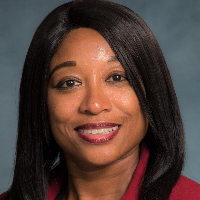
Georgia · 8 yrs exp
Works with Stress, Anxiety / Relationship / Family +12
Works by Client-Centered Therapy / Cognitive Behavioral Therapy (CBT)
View Profile
Colorado · 15 yrs exp
Works with Stress, Anxiety / Relationship / Intimacy-related issues +11
Works by Acceptance and Commitment Therapy (ACT) / Attachment-Based Therapy
View Profile
Louisiana · 7 yrs exp
Works with Stress, Anxiety / Family / Trauma and abuse +16
Works by Acceptance and Commitment Therapy (ACT) / Attachment-Based Therapy
View Profile
New Jersey · 5 yrs exp
Works with Stress, Anxiety / Relationship / Family +13
Works by Client-Centered Therapy / Cognitive Behavioral Therapy (CBT)
View Profile
Oklahoma · 7 yrs exp
Works with Stress, Anxiety / Relationship / Grief +9
Works by Client-Centered Therapy / Cognitive Behavioral Therapy (CBT)
View Profile
Maryland · 6 yrs exp
Works with Stress, Anxiety / Trauma and abuse / Self esteem +11
Works by Attachment-Based Therapy / Client-Centered Therapy
View Profile
Maryland · 10 yrs exp
Works with Stress, Anxiety / Relationship / Family +13
Works by Client-Centered Therapy / Cognitive Behavioral Therapy (CBT)
View Profile
Michigan · 5 yrs exp
Works with Stress, Anxiety / Relationship / Family +13
Works by Acceptance and Commitment Therapy (ACT) / Cognitive Behavioral Therapy (CBT)
View Profile
Pennsylvania · 12 yrs exp
Works with Stress, Anxiety / Relationship / Self esteem +12
Works by Client-Centered Therapy / Cognitive Behavioral Therapy (CBT)
View Profile
Arizona · 6 yrs exp
Works with Stress, Anxiety / Relationship / Family +12
Works by Client-Centered Therapy / Cognitive Behavioral Therapy (CBT)
View Profile
Texas · 22 yrs exp
Works with Stress, Anxiety / Grief / Career +10
Works by Client-Centered Therapy / Cognitive Behavioral Therapy (CBT)
View Profile
Virginia · 9 yrs exp
Works with Stress, Anxiety / Relationship / Self esteem +8
Works by Client-Centered Therapy / Cognitive Behavioral Therapy (CBT)
View Profile
Texas · 6 yrs exp
Works with Stress, Anxiety / Relationship / Trauma and abuse +5
Works by Client-Centered Therapy / Cognitive Behavioral Therapy (CBT)
View Profile
Missouri · 7 yrs exp
Works with Stress, Anxiety / Addictions / Relationship +14
Works by Client-Centered Therapy / Cognitive Behavioral Therapy (CBT)
View Profile
Louisiana · 10 yrs exp
Works with Stress, Anxiety / Relationship / Family +13
Works by Attachment-Based Therapy / Client-Centered Therapy
View Profile
New York · 9 yrs exp
Works with Stress, Anxiety / Anger / Self esteem +14
Works by Acceptance and Commitment Therapy (ACT) / Client-Centered Therapy
View Profile
Texas · 10 yrs exp
Works with Stress, Anxiety / Relationship / Family +15
Works by Acceptance and Commitment Therapy (ACT) / Attachment-Based Therapy
View Profile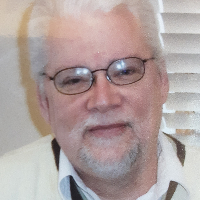
Michigan · 45 yrs exp
Works with Stress, Anxiety / Addictions / Trauma and abuse +11
Works by Client-Centered Therapy / Cognitive Behavioral Therapy (CBT)
View Profile
Ohio · 18 yrs exp
Works with Stress, Anxiety / Trauma and abuse / Grief +12
Works by Acceptance and Commitment Therapy (ACT) / Client-Centered Therapy
View Profile
Ohio · 33 yrs exp
Works with Stress, Anxiety / Family / Trauma and abuse +13
Works by Client-Centered Therapy / Cognitive Behavioral Therapy (CBT)
View Profile
Illinois · 10 yrs exp
Works with Stress, Anxiety / LGBT / Relationship +11
Works by Client-Centered Therapy / Emotionally-Focused Therapy (EFT)
View Profile
Texas · 10 yrs exp
Works with Relationship / Family / Anger +13
Works by Client-Centered Therapy / Cognitive Behavioral Therapy (CBT)
View Profile
Texas · 11 yrs exp
Works with Stress, Anxiety / Trauma and abuse / Career +10
Works by Acceptance and Commitment Therapy (ACT) / Cognitive Behavioral Therapy (CBT)
View Profile
Missouri · 11 yrs exp
Works with Stress, Anxiety / Intimacy-related issues / Anger +8
Works by Cognitive Behavioral Therapy (CBT) / Solution-Focused Therapy
View Profile
Oklahoma · 30 yrs exp
Works with Stress, Anxiety / Grief / Intimacy-related issues +9
Works by Client-Centered Therapy / Cognitive Behavioral Therapy (CBT)
View Profile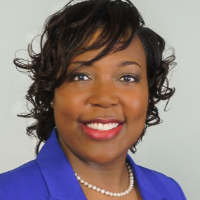
Florida · 10 yrs exp
Works with Relationship / Family / Self esteem +5
Works by Client-Centered Therapy / Cognitive Behavioral Therapy (CBT)
View Profile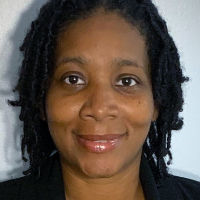
Florida · 13 yrs exp
Works with Stress, Anxiety / Anger / Depression +14
Works by Cognitive Behavioral Therapy (CBT) / Dialectical Behavior Therapy (DBT)
View Profile
Colorado · 30 yrs exp
Works with Stress, Anxiety / Relationship / Trauma and abuse +16
Works by Client-Centered Therapy / Eye Movement Desensitization and Reprocessing (EMDR)
View Profile
Georgia · 14 yrs exp
Works with Stress, Anxiety / LGBT / Trauma and abuse +10
Works by Client-Centered Therapy / Cognitive Behavioral Therapy (CBT)
View Profile
Louisiana · 22 yrs exp
Works with Stress, Anxiety / Relationship / Family +12
Works by Client-Centered Therapy / Cognitive Behavioral Therapy (CBT)
View Profile
Wisconsin · 23 yrs exp
Works with Stress, Anxiety / Trauma and abuse / Eating +14
Works by Acceptance and Commitment Therapy (ACT) / Client-Centered Therapy
View Profile
Colorado · 11 yrs exp
Works with Stress, Anxiety / LGBT / Trauma and abuse +16
Works by Acceptance and Commitment Therapy (ACT) / Client-Centered Therapy
View Profile
Michigan · 15 yrs exp
Works with Stress, Anxiety / Anger / Self esteem +11
Works by Client-Centered Therapy / Cognitive Behavioral Therapy (CBT)
View Profile
North Carolina · 20 yrs exp
Works with Stress, Anxiety / Relationship / Family +10
View ProfileStress and anxiety are related experiences that affect how you think, feel, and behave, but they are not the same thing. Stress is often a response to an external demand - a deadline at work, caregiving pressure, or a big life change - while anxiety tends to involve persistent worry, increased tension, and anticipatory fear that can occur even when a clear external trigger is not present. Both can affect sleep, concentration, relationships, and day-to-day functioning. For many people the body responds with a racing heart, muscle tension, digestive upset, or fatigue, and those physical responses in turn feed worry about performance or safety.
Counselors who hold an LPC, LPCC, or LCPC credential complete graduate training and supervised clinical experience that prepares them to assess how stress and anxiety are affecting your functioning. Counseling training emphasizes a wellness and developmental orientation - therapists look at how you are functioning now and what you want to work toward, not only at diagnostic labels. That perspective often appeals to people who want practical coping skills, changes in daily routines, or clearer goals for relationships and work rather than an exclusive focus on diagnosis.
You might consider counseling if anxiety or stress are interfering with routines you value or causing ongoing distress. Common indicators include persistent worry that is hard to control, avoidance of activities you once enjoyed, frequent panic-like reactions, sleep disruption, or difficulty concentrating at work or school. You may also notice increased irritability, trouble managing emotions, or a pattern of relying on substances or risky behaviors to quiet anxious feelings. If physical symptoms persist after medical evaluation or if worry is shaping important decisions, counseling can offer a space to identify patterns and try alternatives.
Because titles and requirements vary by state, it helps to know what the label on a counselor means where you live. LPC is the common title in most states. LPCC is used in a number of states such as Ohio, California, Kentucky, and Minnesota. LCPC appears in states such as Illinois, Maryland, and Montana. In some states LPC and LPCC exist side by side as different licensing stages, where the clinical title reflects a state-specific naming convention and further supervised practice may be required. Learning how your state defines each title can clarify a counselor's licensure path without implying differences in personal ability.
When you begin working with a counselor who holds an LPC, LPCC, or LCPC, the initial sessions typically involve an intake conversation to understand your history, current concerns, and what you hope to accomplish. You can expect the counselor to ask about your daily routines, sleep, relationships, medical history, and how anxiety or stress shows up for you. A hallmark of counselor training is collaborative goal setting, so early work often centers on defining concrete, attainable goals - for example sleeping through the night more consistently, reducing panic episodes, or managing work-related stress more effectively.
Sessions themselves tend to be practical and skills-oriented. You may practice breathing and grounding techniques during sessions, explore thought patterns that maintain worry, and develop action plans for situations that trigger stress. Progress is often measured by changes in how you function in daily life rather than only symptom checklists. Counselors also coordinate care with other providers when appropriate; because the licensing board for LPC, LPCC, or LCPC is state-based, referral pathways vary and a counselor can explain local options if a medication consultation or a specialist is relevant.
Counselors who hold LPC, LPCC, or LCPC licenses list a range of approaches on their profiles, and many combine ideas from different traditions to match a client's needs. For worry and stress, cognitive behavioral methods are commonly listed because they address the links between thoughts, feelings, and behavior and offer clear skills you can practice between sessions. Acceptance-based approaches are also frequently listed and can help you change your relationship to anxious thoughts rather than trying to eliminate them entirely. Mindfulness-informed work often appears as an adjunct that supports stress reduction through attention training and grounding practices.
Other counselors list psychodynamic-informed or developmental perspectives that explore patterns rooted in relationships and life history, which can be useful if stress and anxiety are connected to longstanding themes. Somatic-informed approaches, which focus on bodily experience and regulation, are sometimes listed by counselors who emphasize physical signs of anxiety like tension and autonomic arousal. When you review profiles, note the language counselors use to describe their focus areas and consider which descriptions resonate with the kind of change you want to make. Remember that profiles report what a counselor lists among approaches - they do not certify mastery of a specific method.
Online counseling with a counselor who holds an LPC, LPCC, or LCPC usually means sessions are delivered via video or phone, although some counselors also offer in-person work in the state where they are licensed. You can expect scheduled sessions that resemble in-person meetings in length and structure, and counselors often use screen-sharing or emailed handouts to support skills practice. Because state licensing governs practice, counselors generally work only with clients who are located in the state where the counselor is licensed, so it helps to verify the license name and state when you review a profile. Before starting online sessions, plan for a quiet, personal space where you can speak openly and minimize interruptions, and ask the counselor how they handle documentation and follow-up between meetings.
When selecting a counselor, focus on a few key areas that matter for fit. Consider a counselor's stated focus areas and the kinds of issues they describe working with, and compare the approaches they list to the techniques you believe will be helpful for you. Look for information about years of experience or populations served, and take language and cultural fit into account if that matters to you. Check the license type and the state board that issued it so you understand whether they hold an LPC, LPCC, or LCPC and how that designation aligns with your state regulations. You can also review how counselors discuss goals, homework, and measurement of progress to get a sense of their style.
It is reasonable to reach out with specific questions about how a counselor approaches stress and anxiety without asking about operational details like scheduling on this page. Ask about their experience helping people with similar concerns, whether they work more skills-focused or insight-focused, and how they typically structure early sessions. Comparing focus areas, approaches, credentials, languages, and experience will help you choose a counselor whose background aligns with your goals.
Licensed professional counselors bring a distinct orientation that emphasizes functioning, resilience, and goal-directed work. Whether you are exploring short-term coping strategies or want deeper change, understanding what LPC, LPCC, and LCPC mean in your state and reviewing counselors' profiles for approach and experience will help you choose a match for addressing stress and anxiety.
Alabama
238 therapists
Alaska
20 therapists
Arizona
196 therapists
Arkansas
116 therapists
California
174 therapists
Colorado
346 therapists
Connecticut
79 therapists
Delaware
4 therapists
District of Columbia
26 therapists
Florida
152 therapists
Georgia
623 therapists
Hawaii
5 therapists
Idaho
90 therapists
Illinois
383 therapists
Indiana
22 therapists
Iowa
11 therapists
Kansas
41 therapists
Kentucky
128 therapists
Louisiana
310 therapists
Maine
42 therapists
Maryland
174 therapists
Massachusetts
5 therapists
Michigan
318 therapists
Minnesota
117 therapists
Mississippi
151 therapists
Missouri
388 therapists
Montana
78 therapists
Nebraska
12 therapists
Nevada
36 therapists
New Hampshire
7 therapists
New Jersey
261 therapists
New Mexico
61 therapists
New York
32 therapists
North Carolina
89 therapists
North Dakota
12 therapists
Ohio
281 therapists
Oklahoma
278 therapists
Oregon
89 therapists
Pennsylvania
523 therapists
Rhode Island
4 therapists
South Carolina
281 therapists
South Dakota
28 therapists
Tennessee
143 therapists
Texas
1899 therapists
Utah
19 therapists
Vermont
8 therapists
Virginia
287 therapists
Washington
19 therapists
West Virginia
46 therapists
Wisconsin
210 therapists
Wyoming
45 therapists