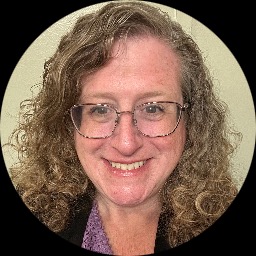
About Margaret
Margaret Paine helps adults who feel overwhelmed by anxiety, depression, grief, anger, or life changes. She focuses on building self-esteem and self-compassion so people can make steady, real changes. Her tone is warm and straightforward, and she aims to create a calm space to talk about what matters most to each person.
She uses practical methods to help people notice unhelpful thoughts and try new behaviors. Sessions often include looking at life stories, identifying strengths, and setting small goals.
Background and approach
The goal is clearer thinking and healthier habits people can use outside of sessions. Margaret holds a Master of Science in Clinical Mental Health Counseling and is a Licensed Professional Counselor, LPC, in South Carolina and a Licensed Mental Health Counselor, LMHC, in New York.
She has nine years of clinical experience and has worked in community mental health settings with a wide range of concerns. Her approach blends evidence-informed techniques like Cognitive Behavioral Therapy with client-centered listening and motivational strategies. She pays attention to how people talk to themselves and to patterns that keep them stuck.
Sessions are practical and focused on steps that fit everyday life. Margaret offers video calls, phone sessions, live chat, and text messaging to stay connected between meetings. She checks messages daily and supports scheduling that fits around other commitments.
If someone wants to begin, she helps them map out small, manageable next steps.
Therapeutic approaches and online sessions that fit your life
Acceptance and Commitment Therapy, or ACT, helps people notice painful thoughts and feelings without letting them control action. It focuses on values and small steps toward a life that matters, which can help with anxiety, depression, and life transitions.Cognitive Behavioral Therapy, or CBT, looks at how thoughts and behaviors interact. It teaches practical skills to change unhelpful thinking patterns and to try new behaviors, which often helps with anxiety, mood, and coping skills.
Finding the right approach is part of the work together. The therapist will talk with each person about goals, preferences, and what has or hasn’t helped before. Then they tailor techniques so sessions feel useful and doable rather than overwhelming.
Online options include video calls, phone sessions, live chat, and text-based messaging to match different needs. Video calls are good for face-to-face conversations, phone sessions work when bandwidth is limited, live chat can be a quicker check-in, and messaging supports brief updates between sessions. These formats make scheduling easier and let people fit therapy into work, family, or other responsibilities.
Questions people ask
What concerns can be addressed in sessions?
How would you describe the therapy style?
What kind of experience does she bring?
Which credentials and location are listed?
Are sessions offered in other languages or internationally?
What session formats are available?
How is cost handled for sessions?
How do I begin working with this therapist?
What this counselor works with
Most often
- Stress, Anxiety
- Anger management
- Self esteem
Also listed
- Addictions
- ADHD
- Bipolar disorder
- Career difficulties
- Caregiver issues and stress
- Communication problems
- Compassion fatigue
- Coping with life changes
- Depression
- Eating disorders
- Family conflicts
- Forgiveness
- Grief
- Guilt and shame
- Isolation / loneliness
- LGBT
- Life purpose
- Parenting issues
- Relationship issues
- Self-love
- Social anxiety and phobia
- Trauma and abuse
Therapeutic approaches
- Experience
- 9 years
- Licensed
- New York, North Carolina, South Carolina
- Languages
- English