
Rick Fulton, LPC
Texas · 30 yrs exp
Works with Stress, Anxiety / Addictions / Anger +14
Works by Cognitive Behavioral Therapy (CBT) / Mindfulness Therapy
View ProfileThe therapist listings are provided by BetterHelp and we will earn a commission if you use our link - at no cost to you.
This directory page highlights counselors who list self-love as a focus and who hold state professional counselor licenses. Browse the profiles below to review approaches, credentials, languages, and experience.
Texas · 30 yrs exp
Works with Stress, Anxiety / Addictions / Anger +14
Works by Cognitive Behavioral Therapy (CBT) / Mindfulness Therapy
View Profile
Texas · 20 yrs exp
Works with Stress, Anxiety / LGBT / Relationship +17
Works by Acceptance and Commitment Therapy (ACT) / Cognitive Behavioral Therapy (CBT)
View Profile
Michigan · 25 yrs exp
Works with Stress, Anxiety / LGBT / Relationship +11
Works by Attachment-Based Therapy / Cognitive Behavioral Therapy (CBT)
View Profile
California · 14 yrs exp
Works with Stress, Anxiety / Relationship / Family +10
Works by Attachment-Based Therapy / Client-Centered Therapy
View Profile
Georgia · 19 yrs exp
Works with Stress, Anxiety / Relationship / Family +8
View Profile
Georgia · 10 yrs exp
Works with Stress, Anxiety / Grief / Self esteem +11
Works by Client-Centered Therapy / Cognitive Behavioral Therapy (CBT)
View Profile
Maine · 12 yrs exp
Works with Stress, Anxiety / Self esteem / Depression +17
Works by Client-Centered Therapy / Cognitive Behavioral Therapy (CBT)
View Profile
Mississippi · 16 yrs exp
Works with Stress, Anxiety / Relationship / Family +7
Works by Cognitive Behavioral Therapy (CBT) / Gottman Method
View Profile
Texas · 11 yrs exp
Works with Stress, Anxiety / Bipolar / Depression +3
Works by Client-Centered Therapy / Cognitive Behavioral Therapy (CBT)
View Profile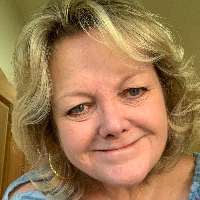
Colorado · 17 yrs exp
Works with Relationship / Trauma and abuse / Parenting +9
Works by Acceptance and Commitment Therapy (ACT) / Attachment-Based Therapy
View Profile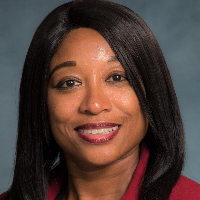
Georgia · 8 yrs exp
Works with Stress, Anxiety / Relationship / Family +12
Works by Client-Centered Therapy / Cognitive Behavioral Therapy (CBT)
View Profile
Colorado · 15 yrs exp
Works with Stress, Anxiety / Relationship / Intimacy-related issues +11
Works by Acceptance and Commitment Therapy (ACT) / Attachment-Based Therapy
View Profile
Louisiana · 7 yrs exp
Works with Stress, Anxiety / Family / Trauma and abuse +16
Works by Acceptance and Commitment Therapy (ACT) / Attachment-Based Therapy
View Profile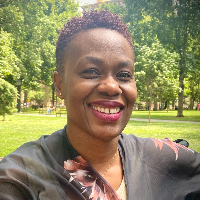
Oklahoma · 7 yrs exp
Works with Stress, Anxiety / Relationship / Grief +9
Works by Client-Centered Therapy / Cognitive Behavioral Therapy (CBT)
View Profile
Maryland · 6 yrs exp
Works with Stress, Anxiety / Trauma and abuse / Self esteem +11
Works by Attachment-Based Therapy / Client-Centered Therapy
View Profile
Maryland · 10 yrs exp
Works with Stress, Anxiety / Relationship / Family +13
Works by Client-Centered Therapy / Cognitive Behavioral Therapy (CBT)
View Profile
Pennsylvania · 12 yrs exp
Works with Stress, Anxiety / Relationship / Self esteem +12
Works by Client-Centered Therapy / Cognitive Behavioral Therapy (CBT)
View Profile
Arizona · 6 yrs exp
Works with Stress, Anxiety / Relationship / Family +12
Works by Client-Centered Therapy / Cognitive Behavioral Therapy (CBT)
View Profile
Missouri · 7 yrs exp
Works with Stress, Anxiety / Addictions / Relationship +14
Works by Client-Centered Therapy / Cognitive Behavioral Therapy (CBT)
View Profile
Louisiana · 10 yrs exp
Works with Stress, Anxiety / Relationship / Family +13
Works by Attachment-Based Therapy / Client-Centered Therapy
View Profile
New York · 9 yrs exp
Works with Stress, Anxiety / Anger / Self esteem +14
Works by Acceptance and Commitment Therapy (ACT) / Client-Centered Therapy
View Profile
Texas · 10 yrs exp
Works with Stress, Anxiety / Relationship / Family +15
Works by Acceptance and Commitment Therapy (ACT) / Attachment-Based Therapy
View Profile
Ohio · 18 yrs exp
Works with Stress, Anxiety / Trauma and abuse / Grief +12
Works by Acceptance and Commitment Therapy (ACT) / Client-Centered Therapy
View Profile
Ohio · 33 yrs exp
Works with Stress, Anxiety / Family / Trauma and abuse +13
Works by Client-Centered Therapy / Cognitive Behavioral Therapy (CBT)
View Profile
Illinois · 10 yrs exp
Works with Stress, Anxiety / LGBT / Relationship +11
Works by Client-Centered Therapy / Emotionally-Focused Therapy (EFT)
View Profile
Texas · 10 yrs exp
Works with Relationship / Family / Anger +13
Works by Client-Centered Therapy / Cognitive Behavioral Therapy (CBT)
View Profile
Oklahoma · 30 yrs exp
Works with Stress, Anxiety / Grief / Intimacy-related issues +9
Works by Client-Centered Therapy / Cognitive Behavioral Therapy (CBT)
View Profile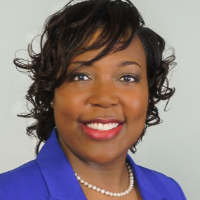
Florida · 10 yrs exp
Works with Relationship / Family / Self esteem +5
Works by Client-Centered Therapy / Cognitive Behavioral Therapy (CBT)
View Profile
Georgia · 14 yrs exp
Works with Stress, Anxiety / LGBT / Trauma and abuse +10
Works by Client-Centered Therapy / Cognitive Behavioral Therapy (CBT)
View Profile
Colorado · 11 yrs exp
Works with Stress, Anxiety / LGBT / Trauma and abuse +16
Works by Acceptance and Commitment Therapy (ACT) / Client-Centered Therapy
View Profile
Michigan · 15 yrs exp
Works with Stress, Anxiety / Anger / Self esteem +11
Works by Client-Centered Therapy / Cognitive Behavioral Therapy (CBT)
View Profile
North Carolina · 20 yrs exp
Works with Stress, Anxiety / Relationship / Family +10
View Profile
Wisconsin · 26 yrs exp
Works with Stress, Anxiety / Self esteem / Career +12
Works by Acceptance and Commitment Therapy (ACT) / Attachment-Based Therapy
View Profile
Missouri · 14 yrs exp
Works with Stress, Anxiety / Self esteem / Career +14
Works by Acceptance and Commitment Therapy (ACT) / Attachment-Based Therapy
View Profile
Texas · 22 yrs exp
Works with Stress, Anxiety / Relationship / Trauma and abuse +17
Works by Acceptance and Commitment Therapy (ACT) / Attachment-Based Therapy
View Profile
Montana · 16 yrs exp
Works with Stress, Anxiety / Relationship / Self esteem +12
Works by Client-Centered Therapy / Cognitive Behavioral Therapy (CBT)
View Profile
Alabama · 8 yrs exp
Works with Stress, Anxiety / Trauma and abuse / Anger +6
Works by Client-Centered Therapy / Cognitive Behavioral Therapy (CBT)
View Profile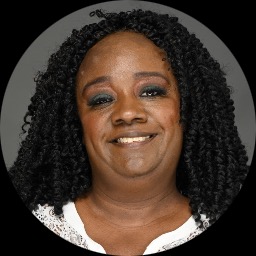
Pennsylvania · 10 yrs exp
Works with Stress, Anxiety / Relationship / Grief +9
Works by Cognitive Behavioral Therapy (CBT) / Dialectical Behavior Therapy (DBT)
View Profile
Georgia · 19 yrs exp
Works with Stress, Anxiety / Addictions / Trauma and abuse +12
View Profile
Texas · 25 yrs exp
Works with Stress, Anxiety / Family / Intimacy-related issues +16
Works by Attachment-Based Therapy / Client-Centered Therapy
View Profile
Texas · 10 yrs exp · 2 languages
Works with Stress, Anxiety / Relationship / Anger +17
Works by Cognitive Behavioral Therapy (CBT) / Solution-Focused Therapy
View Profile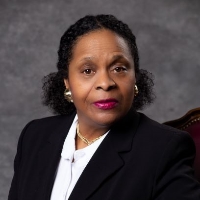
Missouri · 20 yrs exp
Works with Stress, Anxiety / Addictions / Trauma and abuse +15
Works by Client-Centered Therapy / Cognitive Behavioral Therapy (CBT)
View Profile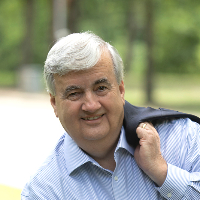
Texas · 23 yrs exp
Works with Stress, Anxiety / Relationship / Self esteem +12
Works by Client-Centered Therapy / Cognitive Behavioral Therapy (CBT)
View Profile
Louisiana · 16 yrs exp
Works with Stress, Anxiety / Self esteem / Depression +5
Works by Acceptance and Commitment Therapy (ACT) / Mindfulness Therapy
View Profile
Georgia · 17 yrs exp
Works with Relationship / Family / Trauma and abuse +14
Works by Acceptance and Commitment Therapy (ACT) / Attachment-Based Therapy
View Profile
Wisconsin · 11 yrs exp
Works with Stress, Anxiety / Relationship / Family +7
Works by Client-Centered Therapy / Cognitive Behavioral Therapy (CBT)
View Profile
Georgia · 3 yrs exp
Works with Stress, Anxiety / Relationship / Family +7
Works by Cognitive Behavioral Therapy (CBT)
View Profile
Virginia · 13 yrs exp
Works with Stress, Anxiety / Anger / Self esteem +10
Works by Acceptance and Commitment Therapy (ACT) / Client-Centered Therapy
View ProfileSelf-love is the ongoing relationship you have with yourself - how you treat your inner life, how you set boundaries, and how you interpret your worth. For many people self-love shows up not as a single feeling but as patterns of thought and behavior: how you respond to setbacks, whether you allow yourself rest, and how you speak to yourself when you make a mistake. Struggles with self-love can influence relationships, work performance, and your sense of possibility. They can look like chronic self-criticism, people-pleasing that erodes your energy, or avoidance of new challenges because of fear of failure.
When you think about self-love you might also notice physical and emotional signals - persistent low mood, anxiety in social situations, or a tendency to put others first to your own detriment. These are common experiences and they do not imply weakness. A counselor who holds a state professional counselor license approaches these concerns from a wellness and developmental orientation. That perspective starts with how you are functioning now and the goals you want to pursue rather than focusing exclusively on diagnosis.
You might consider seeking help when self-directed patterns interfere with everyday life or with goals that matter to you. If you often feel that you are not enough, if you repeatedly apologize for taking up space, or if you avoid pursuing opportunities because you assume you will fail, these are indicators that focused attention could be useful. Similarly, if you find that low self-esteem contributes to relationship difficulties, chronic stress, or a habit of tolerating mistreatment, addressing self-love directly can change how you relate to yourself and others.
Because the counselors listed on this site hold one of three related state licenses - LPC (Licensed Professional Counselor), LPCC (Licensed Professional Clinical Counselor) in states such as Ohio, California, Kentucky, and Minnesota, and LCPC (Licensed Clinical Professional Counselor) in states such as Illinois, Maryland, and Montana - you can look for professionals who explicitly name self-love, self-worth, or self-compassion among their focus areas. Keep in mind that licensure names vary by state and that in some states the clinical version and the LPC title may refer to stages in licensure rather than different professions. The presence of a state professional counselor license means the practitioner completed the educational and supervised requirements described below.
Sessions with a licensed professional counselor typically begin with an intake conversation to clarify what you want to change and how you currently cope. You and the counselor work together to set goals that are practical and tied to daily life - building stronger self-compassion, learning to set boundaries, or shifting negative self-talk into more balanced self-observation. Counselors who hold LPC, LPCC, or LCPC licenses emphasize a collaborative process that centers your values and strengths. Therapy is paced to your needs and often includes skill-building between sessions so that new behaviors and ways of thinking can take root.
Because licensed professional counselors are regulated by state boards, you can expect that practitioners meet defined training standards: a master’s degree in counseling, a period of supervised postgraduate clinical experience commonly running two to three years and amounting to several thousand hours, and passage of a national examination. State boards issue and renew these licenses, and titles and exact requirements vary by jurisdiction. That regulatory framework means a counselor's credential indicates they met state-mandated education and supervised practice thresholds, while the approach they use is disclosed separately in their profile.
There is no single method that defines work on self-love. Counselors who list cognitive-behavioral approaches among their methods may help you identify and reframe unhelpful self-beliefs so that you can test them against real-world evidence. Those who list acceptance-based or compassion-focused approaches often emphasize changing your relationship to inner criticism rather than trying to remove it instantly. Some counselors describe relational or psychodynamic influences that explore how earlier relationships shaped your internal voice, which can help you understand why certain patterns repeat.
Other counselors may list experiential or emotion-focused approaches that invite you to practice new ways of feeling and relating inside sessions. When a profile indicates mindfulness-based work, that typically refers to learning attention skills that quiet judgmental thinking and create space for kinder responses to yourself. It is important to remember that a listing on a profile records what a counselor notes about their approach. The presence of an approach name does not guarantee a particular credential or certification in that approach; it simply signals that the counselor uses those methods in their practice and that you can inquire further when reviewing profiles.
Online counseling with a licensed professional counselor is a format option that many people find convenient because it removes travel time and allows sessions from home or another comfortable environment. Counselors may offer video, audio-only, or messaging formats depending on their practice. The counseling relationship and goals remain the same - you and the counselor work on practical change and skill development aimed at increasing self-compassion, reducing self-criticism, and improving boundary-setting. For some people the flexibility of online sessions makes it easier to maintain consistent work on self-love over weeks and months.
Regulatory considerations are important for remote work. Counselors are licensed by state boards, and rules about providing services across state lines differ by jurisdiction. That means a counselor who holds an LPC, LPCC, or LCPC in one state may have distinct parameters for offering services to someone in another state. Profiles on this site list the counselor's license type and the state that issued it so you can understand the licensure context. Beyond licensing, think about the practical fit of online sessions for you - whether you have a quiet, comfortable setting that will support reflection, and whether the chosen format allows the type of interaction you prefer.
When selecting a counselor for self-love work, focus on alignment with your goals and the counselor’s stated experience. Look for counselors who explicitly mention self-love, self-worth, or self-compassion in their profile and who describe approaches that resonate with how you prefer to learn and change. Pay attention to licensure type - LPC, LPCC, or LCPC - and the state that issued it. If you live in a state where titles have specific meanings or where clinical variants coexist with LPC titles, the profile's licensure line helps you understand the regulatory picture.
Also consider practical signals such as the counselor’s experience with issues that intersect with self-love - for example, relationships, life transitions, or anxiety - and whether they list languages or cultural perspectives that match your needs. Reading a counselor’s description can give a sense of whether their emphasis is on skills, insight, or relational change. Because this directory records licensure but not outcome data, use the profile details to weigh fit: focus areas, therapeutic approaches listed, relevant experience, and any personal statements the counselor provides about their style. That information will help you identify counselors whose profiles feel like a good match for the kind of self-love work you want to pursue.
Working on self-love is often gradual and practical. Licensed professional counselors bring a training background that emphasizes development and functioning, and the profiles in this directory make it possible to find counselors who specifically list self-love as a focus. Review licensure details, read descriptions of approaches and experience, and select counselors whose stated methods and perspectives align with your goals. Thoughtful, sustained work with a counselor can shift the habits that undermine self-worth and replace them with patterns that support resilience and a kinder inner voice.
Alabama
238 therapists
Alaska
20 therapists
Arizona
196 therapists
Arkansas
116 therapists
California
174 therapists
Colorado
346 therapists
Connecticut
79 therapists
Delaware
4 therapists
District of Columbia
26 therapists
Florida
152 therapists
Georgia
623 therapists
Hawaii
5 therapists
Idaho
90 therapists
Illinois
383 therapists
Indiana
22 therapists
Iowa
11 therapists
Kansas
41 therapists
Kentucky
128 therapists
Louisiana
310 therapists
Maine
42 therapists
Maryland
174 therapists
Massachusetts
5 therapists
Michigan
318 therapists
Minnesota
117 therapists
Mississippi
151 therapists
Missouri
388 therapists
Montana
78 therapists
Nebraska
12 therapists
Nevada
36 therapists
New Hampshire
7 therapists
New Jersey
261 therapists
New Mexico
61 therapists
New York
32 therapists
North Carolina
89 therapists
North Dakota
12 therapists
Ohio
281 therapists
Oklahoma
278 therapists
Oregon
89 therapists
Pennsylvania
523 therapists
Rhode Island
4 therapists
South Carolina
281 therapists
South Dakota
28 therapists
Tennessee
143 therapists
Texas
1899 therapists
Utah
19 therapists
Vermont
8 therapists
Virginia
287 therapists
Washington
19 therapists
West Virginia
46 therapists
Wisconsin
210 therapists
Wyoming
45 therapists