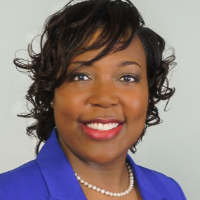
About Samala
Samala Wallack is a Licensed Professional Counselor who helps people navigate relationship strain, family stress, low self-esteem, depression, anxiety, and career or life transitions. She focuses on practical steps that reduce overwhelm and restore a sense of control. Samala uses straightforward conversation to identify what matters most to each person.
She listens first, then suggests small changes clients can try between sessions. Many people come for help with communication problems, blended family issues, commitment concerns, or coping with caregiving strain.
Background and approach
Her background includes a decade of counseling experience and work across settings such as in-home therapy, residential treatment, outpatient clinics, and public vocational rehabilitation. That variety shapes a down-to-earth style geared toward real-life problems and realistic solutions.
Samala draws on several therapeutic approaches to shape sessions, including client-centered work that follows the client's pace, Cognitive Behavioral Therapy to change unhelpful thinking, and motivational interviewing to build readiness for change. She adapts the methods to each person's goals and cultural context. People often seek her help for issues like body image, forgiveness, midlife questions, seasonal mood changes, and compassion fatigue.
She also supports women and those managing family separation or divorce to find clearer next steps. Sessions are offered from Florida and conducted in English. Samala works with people who want practical, collaborative counseling aimed at steady progress rather than quick fixes.
Approaches that guide online sessions
Client-centered therapy focuses on following the person's lead. The therapist listens closely and helps the client set goals at their own pace, which works well for relationship concerns and self-esteem work. Cognitive Behavioral Therapy, or CBT, looks at patterns of thought and behavior and offers practical tools to reduce anxiety, depression, and unhelpful thinking.Finding the right approach is part of the work. The therapist will talk with each person about their goals and preferences and together they will choose which methods to try. That collaborative process means approaches can shift over time as needs change.
Online therapy offers flexible ways to meet. Video calls let people use visual cues and a fuller conversation. Phone sessions can be easier when bandwidth or screen time is limited. Live chat and text-based messaging make brief check-ins or ongoing reflection possible between longer sessions. These options help fit therapy into busy lives and make it easier to follow through on the steps agreed in sessions.
Questions people ask
What concerns does she help with?
What is her therapeutic style like?
What experience does she bring?
Where is she licensed and based?
Which languages are supported?
What session formats are available?
How does payment and cost work?
How do I start working with her?
What this counselor works with
Most often
- Relationship issues
- Family conflicts
- Self esteem
Also listed
- Blended family issues
- Body image
- Career difficulties
- Caregiver issues and stress
- Codependency
- Commitment issues
- Communication problems
- Compassion fatigue
- Coping with life changes
- Depression
- Divorce and separation
- Family problems
- Forgiveness
- Life purpose
- Midlife crisis
- Multicultural concerns
- Seasonal Affective Disorder (SAD)
- Self-love
- Stress, Anxiety
- Women's issues
- Young adult issues
Therapeutic approaches
- Experience
- 10 years
- Licensed
- Missouri, Florida
- Languages
- English