
Ruth Vanden Bosch, LPC
Michigan · 25 yrs exp
Works with Stress, Anxiety / LGBT / Relationship +11
Works by Attachment-Based Therapy / Cognitive Behavioral Therapy (CBT)
View ProfileThe therapist listings are provided by BetterHelp and we will earn a commission if you use our link - at no cost to you.
This page lists licensed professional counselors across the United States who focus on women's issues. Browse the profiles below to review counselors' focus areas, approaches, languages, and experience as you look for a good fit.
Michigan · 25 yrs exp
Works with Stress, Anxiety / LGBT / Relationship +11
Works by Attachment-Based Therapy / Cognitive Behavioral Therapy (CBT)
View Profile
California · 14 yrs exp
Works with Stress, Anxiety / Relationship / Family +10
Works by Attachment-Based Therapy / Client-Centered Therapy
View Profile
Mississippi · 16 yrs exp
Works with Stress, Anxiety / Relationship / Family +7
Works by Cognitive Behavioral Therapy (CBT) / Gottman Method
View Profile
Colorado · 17 yrs exp
Works with Relationship / Trauma and abuse / Parenting +9
Works by Acceptance and Commitment Therapy (ACT) / Attachment-Based Therapy
View Profile
Colorado · 15 yrs exp
Works with Stress, Anxiety / Relationship / Intimacy-related issues +11
Works by Acceptance and Commitment Therapy (ACT) / Attachment-Based Therapy
View Profile
Louisiana · 7 yrs exp
Works with Stress, Anxiety / Family / Trauma and abuse +16
Works by Acceptance and Commitment Therapy (ACT) / Attachment-Based Therapy
View Profile
Oklahoma · 7 yrs exp
Works with Stress, Anxiety / Relationship / Grief +9
Works by Client-Centered Therapy / Cognitive Behavioral Therapy (CBT)
View Profile
Maryland · 6 yrs exp
Works with Stress, Anxiety / Trauma and abuse / Self esteem +11
Works by Attachment-Based Therapy / Client-Centered Therapy
View Profile
Maryland · 10 yrs exp
Works with Stress, Anxiety / Relationship / Family +13
Works by Client-Centered Therapy / Cognitive Behavioral Therapy (CBT)
View Profile
Michigan · 5 yrs exp
Works with Stress, Anxiety / Relationship / Family +13
Works by Acceptance and Commitment Therapy (ACT) / Cognitive Behavioral Therapy (CBT)
View Profile
Pennsylvania · 12 yrs exp
Works with Stress, Anxiety / Relationship / Self esteem +12
Works by Client-Centered Therapy / Cognitive Behavioral Therapy (CBT)
View Profile
Arizona · 6 yrs exp
Works with Stress, Anxiety / Relationship / Family +12
Works by Client-Centered Therapy / Cognitive Behavioral Therapy (CBT)
View Profile
Texas · 22 yrs exp
Works with Stress, Anxiety / Grief / Career +10
Works by Client-Centered Therapy / Cognitive Behavioral Therapy (CBT)
View Profile
Louisiana · 10 yrs exp
Works with Stress, Anxiety / Relationship / Family +13
Works by Attachment-Based Therapy / Client-Centered Therapy
View Profile
Texas · 10 yrs exp
Works with Stress, Anxiety / Relationship / Family +15
Works by Acceptance and Commitment Therapy (ACT) / Attachment-Based Therapy
View Profile
Ohio · 18 yrs exp
Works with Stress, Anxiety / Trauma and abuse / Grief +12
Works by Acceptance and Commitment Therapy (ACT) / Client-Centered Therapy
View Profile
Ohio · 33 yrs exp
Works with Stress, Anxiety / Family / Trauma and abuse +13
Works by Client-Centered Therapy / Cognitive Behavioral Therapy (CBT)
View Profile
Illinois · 10 yrs exp
Works with Stress, Anxiety / LGBT / Relationship +11
Works by Client-Centered Therapy / Emotionally-Focused Therapy (EFT)
View Profile
Texas · 10 yrs exp
Works with Relationship / Family / Anger +13
Works by Client-Centered Therapy / Cognitive Behavioral Therapy (CBT)
View Profile
Florida · 10 yrs exp
Works with Relationship / Family / Self esteem +5
Works by Client-Centered Therapy / Cognitive Behavioral Therapy (CBT)
View Profile
Georgia · 14 yrs exp
Works with Stress, Anxiety / LGBT / Trauma and abuse +10
Works by Client-Centered Therapy / Cognitive Behavioral Therapy (CBT)
View Profile
Colorado · 11 yrs exp
Works with Stress, Anxiety / LGBT / Trauma and abuse +16
Works by Acceptance and Commitment Therapy (ACT) / Client-Centered Therapy
View Profile
Michigan · 15 yrs exp
Works with Stress, Anxiety / Anger / Self esteem +11
Works by Client-Centered Therapy / Cognitive Behavioral Therapy (CBT)
View Profile
Louisiana · 10 yrs exp
Works with Stress, Anxiety / Grief / Anger +9
Works by Client-Centered Therapy / Cognitive Behavioral Therapy (CBT)
View Profile
Wisconsin · 26 yrs exp
Works with Stress, Anxiety / Self esteem / Career +12
Works by Acceptance and Commitment Therapy (ACT) / Attachment-Based Therapy
View Profile
Texas · 22 yrs exp
Works with Stress, Anxiety / Relationship / Trauma and abuse +17
Works by Acceptance and Commitment Therapy (ACT) / Attachment-Based Therapy
View Profile
Pennsylvania · 10 yrs exp
Works with Stress, Anxiety / Relationship / Grief +9
Works by Cognitive Behavioral Therapy (CBT) / Dialectical Behavior Therapy (DBT)
View Profile
Georgia · 19 yrs exp
Works with Stress, Anxiety / Addictions / Trauma and abuse +12
View Profile
Arizona · 30 yrs exp
Works with Stress, Anxiety / Trauma and abuse / Self esteem +12
Works by Client-Centered Therapy / Cognitive Behavioral Therapy (CBT)
View Profile
Texas · 25 yrs exp
Works with Stress, Anxiety / Family / Intimacy-related issues +16
Works by Attachment-Based Therapy / Client-Centered Therapy
View Profile
Texas · 10 yrs exp · 2 languages
Works with Stress, Anxiety / Relationship / Anger +17
Works by Cognitive Behavioral Therapy (CBT) / Solution-Focused Therapy
View Profile
Missouri · 20 yrs exp
Works with Stress, Anxiety / Addictions / Trauma and abuse +15
Works by Client-Centered Therapy / Cognitive Behavioral Therapy (CBT)
View Profile
Texas · 23 yrs exp
Works with Stress, Anxiety / Relationship / Self esteem +12
Works by Client-Centered Therapy / Cognitive Behavioral Therapy (CBT)
View Profile
Mississippi · 25 yrs exp
Works with Stress, Anxiety / Relationship / Family +16
Works by Acceptance and Commitment Therapy (ACT) / Client-Centered Therapy
View Profile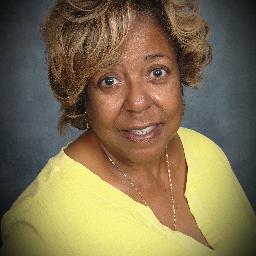
Georgia · 17 yrs exp
Works with Relationship / Family / Trauma and abuse +14
Works by Acceptance and Commitment Therapy (ACT) / Attachment-Based Therapy
View Profile
Wisconsin · 11 yrs exp
Works with Stress, Anxiety / Relationship / Family +7
Works by Client-Centered Therapy / Cognitive Behavioral Therapy (CBT)
View Profile
Louisiana · 5 yrs exp
Works with Stress, Anxiety / Addictions / Depression +5
Works by Client-Centered Therapy / Mindfulness Therapy
View Profile
Louisiana · 10 yrs exp
Works with Stress, Anxiety / Trauma and abuse / Anger +13
Works by Attachment-Based Therapy / Client-Centered Therapy
View Profile
Illinois · 12 yrs exp
Works with Trauma and abuse / Self esteem / Coping with life changes +9
Works by Acceptance and Commitment Therapy (ACT) / Attachment-Based Therapy
View Profile
Oklahoma · 13 yrs exp
Works with Stress, Anxiety / Relationship / Grief +8
Works by Client-Centered Therapy / Cognitive Behavioral Therapy (CBT)
View Profile
Louisiana · 28 yrs exp
Works with Stress, Anxiety / Relationship / Grief +16
Works by Acceptance and Commitment Therapy (ACT) / Attachment-Based Therapy
View Profile
Missouri · 30 yrs exp
Works with Stress, Anxiety / Relationship / Family +13
Works by Client-Centered Therapy / Cognitive Behavioral Therapy (CBT)
View Profile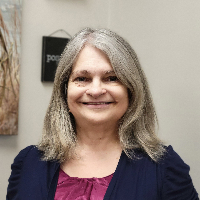
Illinois · 38 yrs exp
Works with Stress, Anxiety / Self esteem / Depression +10
Works by Client-Centered Therapy / Cognitive Behavioral Therapy (CBT)
View Profile
Texas · 30 yrs exp
Works with Stress, Anxiety / Relationship / Grief +9
Works by Client-Centered Therapy / Cognitive Behavioral Therapy (CBT)
View Profile
Mississippi · 23 yrs exp
Works with Stress, Anxiety / Anger / Depression +11
Works by Attachment-Based Therapy / Client-Centered Therapy
View Profile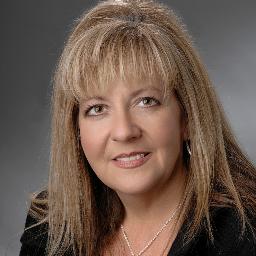
Kansas · 17 yrs exp
Works with Stress, Anxiety / Relationship / Family +11
Works by Attachment-Based Therapy / Client-Centered Therapy
View Profile
Maryland · 15 yrs exp
Works with Stress, Anxiety / Relationship / Family +11
View Profile
Illinois · 25 yrs exp
Works with Stress, Anxiety / Grief / Parenting +2
Works by Client-Centered Therapy / Emotionally-Focused Therapy (EFT)
View ProfileWhen people talk about women's issues in a counseling context they are referring to a wide range of concerns that are shaped by gendered experience, life stage, and social roles. This includes reproductive and perinatal concerns such as pregnancy loss, infertility, and the emotional challenges of pregnancy and postpartum periods. It also covers transitions like menopause, caregiving stress, balancing work and family, relationship patterns, body image and eating concerns, sexual health and intimacy questions, and responses to gender-based violence. The term can also encompass identity work tied to cultural expectations, race, socioeconomic status, and sexual orientation, because those factors change how you experience problems and support.
Licensed professional counselors who list women's issues among their specialties aim to understand how your life circumstances, relationships, and goals interact. Counselor training emphasizes functioning and growth - seeing where you are now and what you want to move toward - rather than focusing only on diagnostic labels. That developmental and wellness orientation means sessions often include practical coping strategies alongside exploration of meaning, identity, and relationships.
You might consider working with a counselor if you notice persistent changes in your mood, sleep, appetite, or motivation that seem tied to reproductive events, role changes, or relationship stress. You may find that parenting, caregiving, or work responsibilities feel overwhelming in a way that drains your enjoyment and leaves little room for your own needs. Relationship conflicts, repeated patterns of feeling unheard or controlled, ongoing strain after a pregnancy loss, or distress around sexual intimacy are all common reasons people look for support.
Other signs include intrusive memories after an assault, strong anxiety about medical appointments or reproductive choices, chronic body image distress that affects eating or social life, and a sense that life transitions - such as menopause or becoming a primary caregiver - have left you unmoored. You do not need a clear diagnosis to benefit from counseling; if these difficulties are reducing your quality of life or making it hard to reach personal goals, a counselor who focuses on women's issues can help you sort priorities and develop strategies.
Sessions with a licensed professional counselor typically begin with an assessment of how you are functioning in daily life and what you want to change or preserve. You should expect the counselor to ask about your current concerns, important relationships, medical or reproductive history when relevant, and what you hope to accomplish. Since counselor training emphasizes a wellness and developmental approach, the work often balances symptom relief with strengths-building and practical problem solving.
Therapy for women's issues often includes psychoeducation about life stage changes or common emotional responses, collaborative goal-setting to define what success looks like for you, and skill-building for coping with stress, emotion regulation, and communication. Some counselors incorporate attention to bodily experience, helping you recognize how emotions show up physically and teaching grounding techniques. Sessions may explore identity, values, and relationship boundaries so that strategies you learn align with the life you want to build. How often you meet and for how long will be discussed as part of planning care; the directory records licensure and profile details but not session logistics.
In the United States these counselors hold a master's degree in counseling or a related field and must complete a state-set period of supervised postgraduate clinical experience that commonly runs two to three years and several thousand hours. They also pass a national examination and maintain a license with a state board that issues and renews credentials. The name of the license varies by state. Most states use the title Licensed Professional Counselor - LPC. Some states use Licensed Professional Clinical Counselor - LPCC, such as Ohio, California, Kentucky, and Minnesota. Other states call it Licensed Clinical Professional Counselor - LCPC, as in Illinois, Maryland, and Montana. If you live in a state where different titles coexist, the naming reflects that state’s regulatory choices rather than a ranking of individuals. Knowing the locally used title can help you read a profile accurately when you search for a counselor in your area.
This training pathway gives counselors a particular emphasis on developmental and wellness-focused work. If you prefer an approach that begins with how you are functioning and what you want to achieve - rather than starting primarily from diagnosis - you may find a counselor's orientation aligns with your needs. Remember that the directory confirms the licensing credential; individual profiles may list approaches and focus areas but do not, by themselves, prove additional certification beyond the license.
When you look at profiles you will see a variety of therapeutic approaches listed. It is accurate to describe these as approaches that therapists list among their ways of working rather than formal proof of specific certifications. You will commonly encounter counselors who list cognitive behavioral approaches focused on changing unhelpful thought and behavior patterns, trauma-informed approaches for processing difficult experiences, humanistic and person-centered methods that emphasize empathy and the therapeutic relationship, and mindfulness-based strategies for managing stress and grounding. Some profiles also list somatic or body-focused approaches and feminist-informed perspectives that pay explicit attention to gender, power, and social context.
Each approach offers different tools. For example, counselors who list cognitive behavioral methods may emphasize actionable skills for managing anxiety or mood; those who list trauma-focused work may combine careful pacing with stabilization techniques; and those who list relational or family approaches will pay attention to patterns in partnerships and caregiving roles. Reading profiles for stated focus areas, years of experience, language skills, and the populations a counselor describes can give you a clearer picture of how they frame their work with women's issues.
Online counseling can be a practical option for many concerns related to women's issues. It allows you to meet with a counselor from home or another comfortable environment and can make it easier to fit sessions around caregiving or work schedules. Online sessions work in many of the same ways as in-person sessions - you and the counselor will set goals, discuss sensitive topics, and practice skills - but there are some differences to keep in mind. Technology matters, and you should consider whether video, phone, or messaging formats feel most workable. You may prefer video when nonverbal cues help the conversation, or phone sessions when privacy at home is limited. The directory lists counselors' licensure, so if you plan to work across state lines be aware that state boards set rules about practice and licensure.
When choosing a counselor for women's issues, focus on attributes you can compare across profiles. Look at the stated focus areas to see whether someone highlights postpartum concerns, reproductive health, trauma, or body image. Notice approaches that align with your preferences, but remember you can ask about how those approaches show up in sessions. Pay attention to language offerings and cultural considerations if those are important to you. Consider a counselor's professional licensure - whether they list LPC, LPCC, or LCPC - to ensure the title matches your state's naming. Experience with particular life stages or populations can help you find someone whose background resonates with your situation. Finally, think about practical matters such as session format, the counselor's written description of their work, and whether their approach feels respectful of your goals and values. Comparing these factors across profiles can help you identify counselors whose perspectives and skills are likely to fit what you are seeking.
Finding a counselor who focuses on women's issues is a personal process. By understanding how licensure works, what to expect in sessions, and how counselors describe their approaches, you can make an informed choice that aligns with your needs and life context. Use the listings below to explore profiles and learn more about the counselors who hold state licensure as LPC, LPCC, or LCPC.
Alabama
238 therapists
Alaska
20 therapists
Arizona
196 therapists
Arkansas
116 therapists
California
174 therapists
Colorado
346 therapists
Connecticut
79 therapists
Delaware
4 therapists
District of Columbia
26 therapists
Florida
152 therapists
Georgia
623 therapists
Hawaii
5 therapists
Idaho
90 therapists
Illinois
383 therapists
Indiana
22 therapists
Iowa
11 therapists
Kansas
41 therapists
Kentucky
128 therapists
Louisiana
310 therapists
Maine
42 therapists
Maryland
174 therapists
Massachusetts
5 therapists
Michigan
318 therapists
Minnesota
117 therapists
Mississippi
151 therapists
Missouri
388 therapists
Montana
78 therapists
Nebraska
12 therapists
Nevada
36 therapists
New Hampshire
7 therapists
New Jersey
261 therapists
New Mexico
61 therapists
New York
32 therapists
North Carolina
89 therapists
North Dakota
12 therapists
Ohio
281 therapists
Oklahoma
278 therapists
Oregon
89 therapists
Pennsylvania
523 therapists
Rhode Island
4 therapists
South Carolina
281 therapists
South Dakota
28 therapists
Tennessee
143 therapists
Texas
1899 therapists
Utah
19 therapists
Vermont
8 therapists
Virginia
287 therapists
Washington
19 therapists
West Virginia
46 therapists
Wisconsin
210 therapists
Wyoming
45 therapists