
Rick Fulton, LPC
Texas · 30 yrs exp
Works with Stress, Anxiety / Addictions / Anger +14
Works by Cognitive Behavioral Therapy (CBT) / Mindfulness Therapy
View ProfileThe therapist listings are provided by BetterHelp and we will earn a commission if you use our link - at no cost to you.
This page lists licensed professional counselors who focus on relationship concerns across the United States. Browse the profiles below to review credentials, focus areas, approaches, languages, and experience.
Texas · 30 yrs exp
Works with Stress, Anxiety / Addictions / Anger +14
Works by Cognitive Behavioral Therapy (CBT) / Mindfulness Therapy
View Profile
Texas · 20 yrs exp
Works with Stress, Anxiety / LGBT / Relationship +17
Works by Acceptance and Commitment Therapy (ACT) / Cognitive Behavioral Therapy (CBT)
View Profile
Georgia · 20 yrs exp
Works with Stress, Anxiety / Addictions / Relationship +13
Works by Client-Centered Therapy / Cognitive Behavioral Therapy (CBT)
View Profile
Michigan · 25 yrs exp
Works with Stress, Anxiety / LGBT / Relationship +11
Works by Attachment-Based Therapy / Cognitive Behavioral Therapy (CBT)
View Profile
California · 14 yrs exp
Works with Stress, Anxiety / Relationship / Family +10
Works by Attachment-Based Therapy / Client-Centered Therapy
View Profile
Missouri · 23 yrs exp
Works with Stress, Anxiety / Addictions / Trauma and abuse +11
Works by Client-Centered Therapy / Cognitive Behavioral Therapy (CBT)
View Profile
Oregon · 17 yrs exp
Works with Stress, Anxiety / Anger / Self esteem +13
Works by Client-Centered Therapy / Cognitive Behavioral Therapy (CBT)
View Profile
Georgia · 19 yrs exp
Works with Stress, Anxiety / Relationship / Family +8
View Profile
Georgia · 10 yrs exp
Works with Stress, Anxiety / Grief / Self esteem +11
Works by Client-Centered Therapy / Cognitive Behavioral Therapy (CBT)
View Profile
Maine · 12 yrs exp
Works with Stress, Anxiety / Self esteem / Depression +17
Works by Client-Centered Therapy / Cognitive Behavioral Therapy (CBT)
View Profile
Illinois · 32 yrs exp
Works with Stress, Anxiety / Addictions / Relationship +10
View Profile
Mississippi · 16 yrs exp
Works with Stress, Anxiety / Relationship / Family +7
Works by Cognitive Behavioral Therapy (CBT) / Gottman Method
View Profile
Pennsylvania · 15 yrs exp
Works with Stress, Anxiety / Addictions / Trauma and abuse +14
Works by Cognitive Behavioral Therapy (CBT) / Dialectical Behavior Therapy (DBT)
View Profile
Colorado · 17 yrs exp
Works with Relationship / Trauma and abuse / Parenting +9
Works by Acceptance and Commitment Therapy (ACT) / Attachment-Based Therapy
View Profile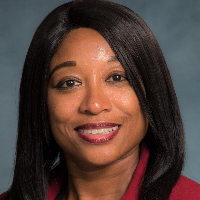
Georgia · 8 yrs exp
Works with Stress, Anxiety / Relationship / Family +12
Works by Client-Centered Therapy / Cognitive Behavioral Therapy (CBT)
View Profile
Colorado · 15 yrs exp
Works with Stress, Anxiety / Relationship / Intimacy-related issues +11
Works by Acceptance and Commitment Therapy (ACT) / Attachment-Based Therapy
View Profile
Louisiana · 7 yrs exp
Works with Stress, Anxiety / Family / Trauma and abuse +16
Works by Acceptance and Commitment Therapy (ACT) / Attachment-Based Therapy
View Profile
New Jersey · 5 yrs exp
Works with Stress, Anxiety / Relationship / Family +13
Works by Client-Centered Therapy / Cognitive Behavioral Therapy (CBT)
View Profile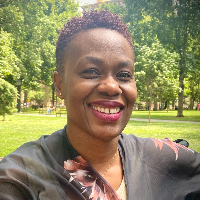
Oklahoma · 7 yrs exp
Works with Stress, Anxiety / Relationship / Grief +9
Works by Client-Centered Therapy / Cognitive Behavioral Therapy (CBT)
View Profile
Maryland · 6 yrs exp
Works with Stress, Anxiety / Trauma and abuse / Self esteem +11
Works by Attachment-Based Therapy / Client-Centered Therapy
View Profile
Maryland · 10 yrs exp
Works with Stress, Anxiety / Relationship / Family +13
Works by Client-Centered Therapy / Cognitive Behavioral Therapy (CBT)
View Profile
Michigan · 5 yrs exp
Works with Stress, Anxiety / Relationship / Family +13
Works by Acceptance and Commitment Therapy (ACT) / Cognitive Behavioral Therapy (CBT)
View Profile
Pennsylvania · 12 yrs exp
Works with Stress, Anxiety / Relationship / Self esteem +12
Works by Client-Centered Therapy / Cognitive Behavioral Therapy (CBT)
View Profile
Arizona · 6 yrs exp
Works with Stress, Anxiety / Relationship / Family +12
Works by Client-Centered Therapy / Cognitive Behavioral Therapy (CBT)
View Profile
Texas · 22 yrs exp
Works with Stress, Anxiety / Grief / Career +10
Works by Client-Centered Therapy / Cognitive Behavioral Therapy (CBT)
View Profile
Virginia · 9 yrs exp
Works with Stress, Anxiety / Relationship / Self esteem +8
Works by Client-Centered Therapy / Cognitive Behavioral Therapy (CBT)
View Profile
Texas · 6 yrs exp
Works with Stress, Anxiety / Relationship / Trauma and abuse +5
Works by Client-Centered Therapy / Cognitive Behavioral Therapy (CBT)
View Profile
Missouri · 7 yrs exp
Works with Stress, Anxiety / Addictions / Relationship +14
Works by Client-Centered Therapy / Cognitive Behavioral Therapy (CBT)
View Profile
Louisiana · 10 yrs exp
Works with Stress, Anxiety / Relationship / Family +13
Works by Attachment-Based Therapy / Client-Centered Therapy
View Profile
New York · 9 yrs exp
Works with Stress, Anxiety / Anger / Self esteem +14
Works by Acceptance and Commitment Therapy (ACT) / Client-Centered Therapy
View Profile
Texas · 10 yrs exp
Works with Stress, Anxiety / Relationship / Family +15
Works by Acceptance and Commitment Therapy (ACT) / Attachment-Based Therapy
View Profile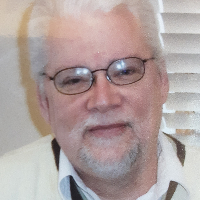
Michigan · 45 yrs exp
Works with Stress, Anxiety / Addictions / Trauma and abuse +11
Works by Client-Centered Therapy / Cognitive Behavioral Therapy (CBT)
View Profile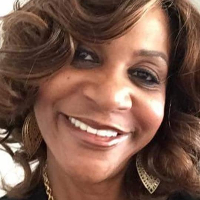
Ohio · 18 yrs exp
Works with Stress, Anxiety / Trauma and abuse / Grief +12
Works by Acceptance and Commitment Therapy (ACT) / Client-Centered Therapy
View Profile
Ohio · 33 yrs exp
Works with Stress, Anxiety / Family / Trauma and abuse +13
Works by Client-Centered Therapy / Cognitive Behavioral Therapy (CBT)
View Profile
Illinois · 10 yrs exp
Works with Stress, Anxiety / LGBT / Relationship +11
Works by Client-Centered Therapy / Emotionally-Focused Therapy (EFT)
View Profile
Texas · 10 yrs exp
Works with Relationship / Family / Anger +13
Works by Client-Centered Therapy / Cognitive Behavioral Therapy (CBT)
View Profile
Texas · 11 yrs exp
Works with Stress, Anxiety / Trauma and abuse / Career +10
Works by Acceptance and Commitment Therapy (ACT) / Cognitive Behavioral Therapy (CBT)
View Profile
Missouri · 11 yrs exp
Works with Stress, Anxiety / Intimacy-related issues / Anger +8
Works by Cognitive Behavioral Therapy (CBT) / Solution-Focused Therapy
View Profile
Oklahoma · 30 yrs exp
Works with Stress, Anxiety / Grief / Intimacy-related issues +9
Works by Client-Centered Therapy / Cognitive Behavioral Therapy (CBT)
View Profile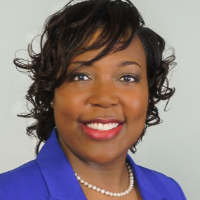
Florida · 10 yrs exp
Works with Relationship / Family / Self esteem +5
Works by Client-Centered Therapy / Cognitive Behavioral Therapy (CBT)
View Profile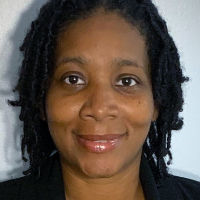
Florida · 13 yrs exp
Works with Stress, Anxiety / Anger / Depression +14
Works by Cognitive Behavioral Therapy (CBT) / Dialectical Behavior Therapy (DBT)
View Profile
Colorado · 30 yrs exp
Works with Stress, Anxiety / Relationship / Trauma and abuse +16
Works by Client-Centered Therapy / Eye Movement Desensitization and Reprocessing (EMDR)
View Profile
Georgia · 14 yrs exp
Works with Stress, Anxiety / LGBT / Trauma and abuse +10
Works by Client-Centered Therapy / Cognitive Behavioral Therapy (CBT)
View Profile
Louisiana · 22 yrs exp
Works with Stress, Anxiety / Relationship / Family +12
Works by Client-Centered Therapy / Cognitive Behavioral Therapy (CBT)
View Profile
Wisconsin · 23 yrs exp
Works with Stress, Anxiety / Trauma and abuse / Eating +14
Works by Acceptance and Commitment Therapy (ACT) / Client-Centered Therapy
View Profile
Colorado · 11 yrs exp
Works with Stress, Anxiety / LGBT / Trauma and abuse +16
Works by Acceptance and Commitment Therapy (ACT) / Client-Centered Therapy
View Profile
Michigan · 15 yrs exp
Works with Stress, Anxiety / Anger / Self esteem +11
Works by Client-Centered Therapy / Cognitive Behavioral Therapy (CBT)
View Profile
North Carolina · 20 yrs exp
Works with Stress, Anxiety / Relationship / Family +10
View ProfileRelationship concerns cover a wide range of patterns and problems that show up between romantic partners, family members, friends, or colleagues. For some people the issue is recurring conflict that never seems resolved. For others it is a sense of growing distance, unclear expectations, blended family adjustments, parenting disagreements, or the aftermath of betrayal. You may notice patterns that repeat from one relationship to another, or specific difficulties that arise at life transitions such as moving in together, parenting, retirement, or after a major loss. These struggles often influence your daily mood, sleep, concentration, and how you move through other parts of life, because close relationships shape emotional support, identity, and practical routines.
Licensed professional counselors bring a counseling perspective that emphasizes functioning and growth. Their training often centers on wellness and development - focusing on what you and your relationship are working toward rather than beginning from a diagnosis alone. That orientation can be useful whether you want to restore trust, improve communication, make decisions about the relationship, or grow as an individual while in partnership. Because relationship work often involves two or more people, counselors also help with problem solving, boundary setting, and building skills you can practice outside sessions.
You might consider seeking help when relationship patterns feel stuck, when everyday interactions create ongoing distress, or when a recent event has shaken the foundation of your connection. Common signs include repeated arguments that escalate quickly, avoidance of important conversations, a persistent sense of loneliness despite being together, unequal responsibilities that breed resentment, or feeling unsafe in ways that affect your wellbeing. You may also seek counseling when big decisions loom, such as whether to separate or stay together, how to co-parent across differing values, or how to navigate cultural and family expectations.
Because licensure names vary by state, it helps to recognize the credential you are looking at. The directory lists counselors who hold one of three related state licenses: Licensed Professional Counselor (LPC) in many states, Licensed Professional Clinical Counselor (LPCC) in states like Ohio, California, Kentucky, and Minnesota, and Licensed Clinical Professional Counselor (LCPC) in states such as Illinois, Maryland, and Montana. Where a state uses both LPC and a clinical title, that naming reflects the state regulator's structure rather than a universal ranking of counselors. The fact that a counselor holds one of these licenses means they met the state board's education, supervised practice, and exam requirements that apply to that credential.
Your first sessions typically involve an intake conversation where the counselor gathers background about your relationship history, current concerns, and what you hope to change. You and the counselor establish goals that are practical and measurable - for example reducing the frequency of heated arguments, improving clarity about roles and finances, or rebuilding trust after a breach. If more than one person is involved, the counselor will discuss how sessions will be structured and what each person can expect in terms of participation and information-sharing boundaries on each side.
Sessions often move between exploring patterns and teaching skills. You can expect a mix of reflective discussion about beliefs and emotions, skill-building exercises to improve communication and conflict management, and planning for homework or practical experiments at home. Progress may be gradual; some matters resolve over a few sessions while other long-standing patterns take months to shift. Counselors who hold an LPC, LPCC, or LCPC are trained to work across developmental levels and will tailor pacing to your needs, readiness, and goals.
Relationship counseling draws on a variety of approaches and many counselors list multiple methods among their practices. You will see counselors who list emotionally focused work aimed at identifying attachment patterns, counselors who list methods that emphasize communication skills and problem-solving, and others who mention frameworks that attend to cognition, behavior, or cultural context. It is accurate to say that counselors may list approaches such as emotionally focused work, systems-oriented methods, solution-focused strategies, cognitive-behavioral tools, or integrative models. Listing an approach on a profile does not by itself indicate the level of specialization or training; it simply signals that the counselor includes that orientation among their ways of working.
Because licensed professional counselor training emphasizes a developmental and wellness perspective, many counselors frame relationship struggles as opportunities for growth rather than solely as pathology. That means you can expect attention to strengths, resilience, and practical skills as well as exploration of emotional patterns. If particular cultural, religious, or identity factors matter to you, look for counselors who note experience or language skills that align with your context. The directory makes it possible to review those kinds of profile details so you can prioritize the qualities that matter most for your situation.
Online sessions often use video or phone to connect you with a counselor who holds a state license. The structure mirrors in-person work in many ways - intake, goal-setting, session content, and suggested practice between meetings. Remote work can make it easier to involve partners who live apart, accommodate busy schedules, or engage with a counselor who speaks your language or understands your cultural background even if they are located elsewhere in your state. Remember that licensure is issued by a state board, so counselors are licensed to practice under the rules of the state that issued their credential. If you prefer remote sessions, you can review profiles to see languages, focus areas, and notes about the counselor's approach.
Start by identifying what matters most to you: is it experience with specific relationship issues, a cultural or language match, or an approach that emphasizes skills versus emotions? Use the directory to compare focus areas, therapeutic approaches counselors list, their licensure type (LPC, LPCC, or LCPC), and any experience or language information they provide. Keep in mind that the directory confirms a counselor's licensure status; it does not provide outcome measures or make claims about fit. It is reasonable to read multiple profiles and prioritize counselors whose stated focus areas and experience align with your goals. When you are ready to reach out outside this directory, you might ask prospective counselors about their experience with issues similar to yours, their typical session structure, and how they involve partners or family members in the work.
Choosing someone who helps you feel understood and who frames change in ways that make sense to you is often more important than any single label. Whether you pursue in-person or remote sessions, licensed professional counselors who hold an LPC, LPCC, or LCPC are trained through a master degree program, a period of supervised postgraduate clinical experience commonly running two to three years and several thousand hours, and a national examination, with final licensure and renewal governed by a state board. That combination of graduate education, supervised practice, and testing is the basis for the credential listed on each profile in this directory.
Relationship work can be challenging and rewarding. Use the listings on this page to explore counselors who hold the state credential that fits your context, read their profiles for focus areas and approaches they list, and choose someone whose experience and style match the change you want to create.
Alabama
238 therapists
Alaska
20 therapists
Arizona
196 therapists
Arkansas
116 therapists
California
174 therapists
Colorado
346 therapists
Connecticut
79 therapists
Delaware
4 therapists
District of Columbia
26 therapists
Florida
152 therapists
Georgia
623 therapists
Hawaii
5 therapists
Idaho
90 therapists
Illinois
383 therapists
Indiana
22 therapists
Iowa
11 therapists
Kansas
41 therapists
Kentucky
128 therapists
Louisiana
310 therapists
Maine
42 therapists
Maryland
174 therapists
Massachusetts
5 therapists
Michigan
318 therapists
Minnesota
117 therapists
Mississippi
151 therapists
Missouri
388 therapists
Montana
78 therapists
Nebraska
12 therapists
Nevada
36 therapists
New Hampshire
7 therapists
New Jersey
261 therapists
New Mexico
61 therapists
New York
32 therapists
North Carolina
89 therapists
North Dakota
12 therapists
Ohio
281 therapists
Oklahoma
278 therapists
Oregon
89 therapists
Pennsylvania
523 therapists
Rhode Island
4 therapists
South Carolina
281 therapists
South Dakota
28 therapists
Tennessee
143 therapists
Texas
1899 therapists
Utah
19 therapists
Vermont
8 therapists
Virginia
287 therapists
Washington
19 therapists
West Virginia
46 therapists
Wisconsin
210 therapists
Wyoming
45 therapists