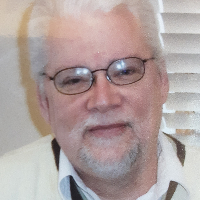
About Mark
Mark Anderson is a Licensed Professional Counselor (LPC) based in Michigan with 45 years of experience. He focuses on helping people manage stress, anxiety, addiction, grief, depression, and related concerns. His work centers on practical steps people can take to feel more capable and stable in daily life.
He uses straightforward, person-focused methods that start with listening. Mark helps people name their difficulties and set small, achievable goals. He draws on approaches that build skills for mood and behavior change, reduce panic and social fear, and address trauma when it is present.
Background and approach
His background includes long-term work in mental health and substance use care. That experience informs how he responds to crisis, loss, and the burnout that can come from caregiving or stressful jobs. He also supports people dealing with relationship and intimacy concerns, self-esteem struggles, control issues, guilt, and life purpose questions.
Sessions usually combine problem-solving and skills practice with steady emotional support. Techniques may include thoughtful questioning, behavior-focused exercises, and strategies to interrupt unhelpful patterns. When trauma or grief are central, he adapts the pace to match what a person can handle.
Mark works with LGBT concerns and a wide range of life changes, including end-of-life and hospice-related stress. He offers work that aims to restore a sense of agency and clearer direction. The goal is practical relief and better tools for moving forward.
People who choose him can expect calm, direct conversation and an emphasis on useful steps between sessions. He welcomes inquiries from those seeking help in English, including international clients.
How therapeutic approaches translate to online care
Client-Centered Therapy focuses on listening and understanding the person without judgment, helping them set their own goals and move at their own pace; this approach supports people dealing with grief, relationship struggles, and life changes. Cognitive Behavioral Therapy, or CBT, targets the links between thoughts, feelings, and actions and uses structured exercises to reduce anxiety, panic, and depressive patterns. Dialectical Behavior Therapy, DBT, emphasizes emotion regulation, distress tolerance, and interpersonal effectiveness skills useful for anger, intense emotions, and chronic stress.Choosing the right method is a collaborative process. The therapist will work together with each person to identify goals, try approaches that fit those goals, and adjust techniques as progress unfolds. That shared planning means treatment can shift between skills practice and deeper trauma-focused work when needed.
Online therapy offers practical flexibility. Video calls allow face-to-face conversation and visual cues for skills coaching. Phone sessions can be a lower-bandwidth option for shorter check-ins or when a video connection is difficult. Live chat and text-based messaging are helpful for brief updates, ongoing support between appointments, or when someone prefers writing to speaking. These options make it easier to fit sessions into a busy life and to continue care across distances.
Questions people ask
What kinds of problems does he help with?
What is his general therapy style?
How long has he been practicing?
What credentials and location are listed?
Can I work with him if I live outside the United States?
Which session formats are available?
How much do sessions cost?
What do I do to begin therapy?
What this counselor works with
Also listed
- Anger management
- Career difficulties
- Compassion fatigue
- Control issues
- Coping with life changes
- Depression
- Family conflicts
- Grief
- Guilt and shame
- Hospice and end-of-life counseling
- Intimacy-related issues
- LGBT
- Life purpose
- Panic disorder and panic attacks
- Relationship issues
- Self esteem
- Social anxiety and phobia
Therapeutic approaches
- Experience
- 45 years
- Licensed
- Michigan
- Languages
- English