
Rick Fulton, LPC
Texas · 30 yrs exp
Works with Stress, Anxiety / Addictions / Anger +14
Works by Cognitive Behavioral Therapy (CBT) / Mindfulness Therapy
View ProfileThe therapist listings are provided by BetterHelp and we will earn a commission if you use our link - at no cost to you.
This directory lists licensed professional counselors who work with social anxiety and phobia across the United States. Browse the therapist profiles below to review credentials, focus areas, approaches, languages, and experience.
Texas · 30 yrs exp
Works with Stress, Anxiety / Addictions / Anger +14
Works by Cognitive Behavioral Therapy (CBT) / Mindfulness Therapy
View Profile
Texas · 20 yrs exp
Works with Stress, Anxiety / LGBT / Relationship +17
Works by Acceptance and Commitment Therapy (ACT) / Cognitive Behavioral Therapy (CBT)
View Profile
Georgia · 20 yrs exp
Works with Stress, Anxiety / Addictions / Relationship +13
Works by Client-Centered Therapy / Cognitive Behavioral Therapy (CBT)
View Profile
California · 14 yrs exp
Works with Stress, Anxiety / Relationship / Family +10
Works by Attachment-Based Therapy / Client-Centered Therapy
View Profile
Pennsylvania · 15 yrs exp
Works with Stress, Anxiety / Addictions / Trauma and abuse +14
Works by Cognitive Behavioral Therapy (CBT) / Dialectical Behavior Therapy (DBT)
View Profile
Georgia · 8 yrs exp
Works with Stress, Anxiety / Relationship / Family +12
Works by Client-Centered Therapy / Cognitive Behavioral Therapy (CBT)
View Profile
Louisiana · 7 yrs exp
Works with Stress, Anxiety / Family / Trauma and abuse +16
Works by Acceptance and Commitment Therapy (ACT) / Attachment-Based Therapy
View Profile
Oklahoma · 7 yrs exp
Works with Stress, Anxiety / Relationship / Grief +9
Works by Client-Centered Therapy / Cognitive Behavioral Therapy (CBT)
View Profile
Maryland · 6 yrs exp
Works with Stress, Anxiety / Trauma and abuse / Self esteem +11
Works by Attachment-Based Therapy / Client-Centered Therapy
View Profile
Michigan · 5 yrs exp
Works with Stress, Anxiety / Relationship / Family +13
Works by Acceptance and Commitment Therapy (ACT) / Cognitive Behavioral Therapy (CBT)
View Profile
Pennsylvania · 12 yrs exp
Works with Stress, Anxiety / Relationship / Self esteem +12
Works by Client-Centered Therapy / Cognitive Behavioral Therapy (CBT)
View Profile
Arizona · 6 yrs exp
Works with Stress, Anxiety / Relationship / Family +12
Works by Client-Centered Therapy / Cognitive Behavioral Therapy (CBT)
View Profile
Missouri · 7 yrs exp
Works with Stress, Anxiety / Addictions / Relationship +14
Works by Client-Centered Therapy / Cognitive Behavioral Therapy (CBT)
View Profile
Louisiana · 10 yrs exp
Works with Stress, Anxiety / Relationship / Family +13
Works by Attachment-Based Therapy / Client-Centered Therapy
View Profile
New York · 9 yrs exp
Works with Stress, Anxiety / Anger / Self esteem +14
Works by Acceptance and Commitment Therapy (ACT) / Client-Centered Therapy
View Profile
Texas · 10 yrs exp
Works with Stress, Anxiety / Relationship / Family +15
Works by Acceptance and Commitment Therapy (ACT) / Attachment-Based Therapy
View Profile
Michigan · 45 yrs exp
Works with Stress, Anxiety / Addictions / Trauma and abuse +11
Works by Client-Centered Therapy / Cognitive Behavioral Therapy (CBT)
View Profile
Ohio · 18 yrs exp
Works with Stress, Anxiety / Trauma and abuse / Grief +12
Works by Acceptance and Commitment Therapy (ACT) / Client-Centered Therapy
View Profile
Ohio · 33 yrs exp
Works with Stress, Anxiety / Family / Trauma and abuse +13
Works by Client-Centered Therapy / Cognitive Behavioral Therapy (CBT)
View Profile
Illinois · 10 yrs exp
Works with Stress, Anxiety / LGBT / Relationship +11
Works by Client-Centered Therapy / Emotionally-Focused Therapy (EFT)
View Profile
Texas · 11 yrs exp
Works with Stress, Anxiety / Trauma and abuse / Career +10
Works by Acceptance and Commitment Therapy (ACT) / Cognitive Behavioral Therapy (CBT)
View Profile
Missouri · 11 yrs exp
Works with Stress, Anxiety / Intimacy-related issues / Anger +8
Works by Cognitive Behavioral Therapy (CBT) / Solution-Focused Therapy
View Profile
Oklahoma · 30 yrs exp
Works with Stress, Anxiety / Grief / Intimacy-related issues +9
Works by Client-Centered Therapy / Cognitive Behavioral Therapy (CBT)
View Profile
Colorado · 11 yrs exp
Works with Stress, Anxiety / LGBT / Trauma and abuse +16
Works by Acceptance and Commitment Therapy (ACT) / Client-Centered Therapy
View Profile
North Carolina · 20 yrs exp
Works with Stress, Anxiety / Relationship / Family +10
View Profile
Florida · 30 yrs exp
Works with Stress, Anxiety / Relationship / Trauma and abuse +15
Works by Acceptance and Commitment Therapy (ACT) / Client-Centered Therapy
View Profile
Texas · 8 yrs exp
Works with Stress, Anxiety / Grief / Self esteem +12
Works by Cognitive Behavioral Therapy (CBT) / Solution-Focused Therapy
View Profile
Louisiana · 10 yrs exp
Works with Stress, Anxiety / Grief / Anger +9
Works by Client-Centered Therapy / Cognitive Behavioral Therapy (CBT)
View Profile
Missouri · 14 yrs exp
Works with Stress, Anxiety / Self esteem / Career +14
Works by Acceptance and Commitment Therapy (ACT) / Attachment-Based Therapy
View Profile
Texas · 22 yrs exp
Works with Stress, Anxiety / Relationship / Trauma and abuse +17
Works by Acceptance and Commitment Therapy (ACT) / Attachment-Based Therapy
View Profile
Montana · 16 yrs exp
Works with Stress, Anxiety / Relationship / Self esteem +12
Works by Client-Centered Therapy / Cognitive Behavioral Therapy (CBT)
View Profile
Pennsylvania · 10 yrs exp
Works with Stress, Anxiety / Relationship / Grief +9
Works by Cognitive Behavioral Therapy (CBT) / Dialectical Behavior Therapy (DBT)
View Profile
Georgia · 19 yrs exp
Works with Stress, Anxiety / Addictions / Trauma and abuse +12
View Profile
Arizona · 30 yrs exp
Works with Stress, Anxiety / Trauma and abuse / Self esteem +12
Works by Client-Centered Therapy / Cognitive Behavioral Therapy (CBT)
View Profile
Texas · 25 yrs exp
Works with Stress, Anxiety / Family / Intimacy-related issues +16
Works by Attachment-Based Therapy / Client-Centered Therapy
View Profile
Texas · 10 yrs exp · 2 languages
Works with Stress, Anxiety / Relationship / Anger +17
Works by Cognitive Behavioral Therapy (CBT) / Solution-Focused Therapy
View Profile
Texas · 18 yrs exp
Works with Stress, Anxiety / Addictions / Trauma and abuse +10
Works by Client-Centered Therapy / Cognitive Behavioral Therapy (CBT)
View Profile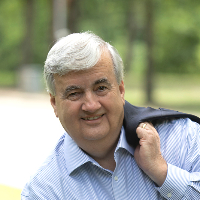
Texas · 23 yrs exp
Works with Stress, Anxiety / Relationship / Self esteem +12
Works by Client-Centered Therapy / Cognitive Behavioral Therapy (CBT)
View Profile
Louisiana · 16 yrs exp
Works with Stress, Anxiety / Self esteem / Depression +5
Works by Acceptance and Commitment Therapy (ACT) / Mindfulness Therapy
View Profile
Mississippi · 25 yrs exp
Works with Stress, Anxiety / Relationship / Family +16
Works by Acceptance and Commitment Therapy (ACT) / Client-Centered Therapy
View Profile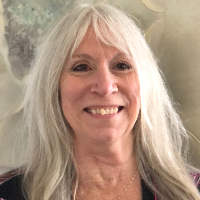
Michigan · 11 yrs exp
Works with Stress, Anxiety / Trauma and abuse / Self esteem +7
Works by Acceptance and Commitment Therapy (ACT) / Attachment-Based Therapy
View Profile
Georgia · 17 yrs exp
Works with Relationship / Family / Trauma and abuse +14
Works by Acceptance and Commitment Therapy (ACT) / Attachment-Based Therapy
View Profile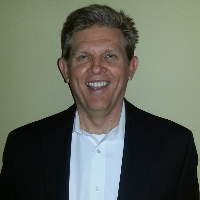
Texas · 18 yrs exp
Works with Stress, Anxiety / Relationship / Family +10
Works by Cognitive Behavioral Therapy (CBT) / Mindfulness Therapy
View Profile
Wisconsin · 11 yrs exp
Works with Stress, Anxiety / Relationship / Family +7
Works by Client-Centered Therapy / Cognitive Behavioral Therapy (CBT)
View Profile
Virginia · 13 yrs exp
Works with Stress, Anxiety / Anger / Self esteem +10
Works by Acceptance and Commitment Therapy (ACT) / Client-Centered Therapy
View Profile
Louisiana · 16 yrs exp
Works with Stress, Anxiety / Relationship / Career +15
Works by Client-Centered Therapy / Cognitive Behavioral Therapy (CBT)
View Profile
Louisiana · 10 yrs exp
Works with Stress, Anxiety / Trauma and abuse / Anger +13
Works by Attachment-Based Therapy / Client-Centered Therapy
View Profile
Illinois · 12 yrs exp
Works with Trauma and abuse / Self esteem / Coping with life changes +9
Works by Acceptance and Commitment Therapy (ACT) / Attachment-Based Therapy
View ProfileSocial anxiety and phobia involve an intense fear of social situations where you might be judged, observed, or required to perform. That fear often goes beyond feeling shy - it can trigger strong physical symptoms such as trembling, racing heart, sweating, nausea, or a sense of dissociation. You might notice that anticipation of a social event causes more distress than the event itself, or that you repeatedly avoid situations that could bring on embarrassment or scrutiny. Over time, avoidance can narrow your routines, limit work or school opportunities, and make relationships harder to build and sustain.
Symptoms range in severity and can appear first in childhood, adolescence, or early adulthood. For some people, fear centers on specific performance situations such as public speaking or eating in front of others. For others, the fear is more generalized, covering a wide range of interactions. The term phobia is sometimes used when the fear is particularly focused and persistent. Because social anxiety commonly co-occurs with other concerns - low mood, panic, substance use, or other anxiety disorders - a thorough assessment helps establish what is contributing to the difficulties you are experiencing.
If social situations cause you frequent distress, interfere with your daily routine, or limit important life goals, professional help can be useful. You might find that you rehearse what to say for hours, repeatedly check how you appeared after an interaction, or rely on safety behaviors such as avoiding eye contact or staying silent to reduce anxiety. You may also experience panic attacks in social settings, or withdraw from opportunities to advance at work or to meet new people. When avoidance becomes the default response, anxiety has real costs for relationships, career, and overall wellbeing.
Licensed professional counselors in this directory hold one of several state-level credentials. Most states use the title Licensed Professional Counselor, or LPC, while some states call the credential Licensed Professional Clinical Counselor - LPCC - as in Ohio, California, Kentucky, and Minnesota. Other states use Licensed Clinical Professional Counselor, or LCPC, such as Illinois, Maryland, and Montana. In certain jurisdictions LPC and LPCC appear side by side as different stages of licensure, with the clinical title tied to additional supervised practice. Where that distinction exists the naming reflects the state board's structure rather than a universal ranking of practitioners. Knowing these titles can help you interpret credentials on a profile and understand where a counselor earned and maintains their license.
When you begin meeting with a licensed professional counselor, the early sessions typically focus on assessment and collaborative goal setting. Your counselor will ask about the situations that feel most anxiety-provoking, what you do to manage those feelings, and how your symptoms affect daily life. This helps form a shared plan that targets concrete outcomes you want to reach, whether that means speaking up in meetings, attending social gatherings, or reducing panic symptoms.
Therapeutic work often combines in-session learning with practice outside sessions. You can expect to learn skills for noticing anxious thoughts, testing unhelpful assumptions, and managing physical arousal. Exposure-based exercises - carried out gradually and with planning - are commonly used to reduce avoidance and build confidence. Sessions are generally collaborative, with you and the counselor tracking progress and adjusting strategies over time. The pace depends on your needs and the intensity of symptoms; some people notice steady improvements within a few months, while others work toward longer-term changes. Because counselors are trained in assessing functioning and strengths as well as symptoms, many emphasize building skills and resilience alongside symptom reduction.
Counselors who work with social anxiety draw from multiple approaches to match the needs of each person. Cognitive behavioral approaches are frequently listed for this specialty, with a focus on identifying anxious thought patterns and testing them through behavioral experiments. Exposure-based methods are a core component for many practitioners, involving planned, graded steps into feared situations to reduce avoidance and build confidence. Acceptance and commitment approaches may be used to help you clarify what matters most and to take valued action even when anxiety is present.
Other counselors may list interpersonal or psychodynamic perspectives that explore relationship patterns, self-image, and early experiences that shape anxiety in social contexts. Mindfulness-based techniques are often offered to help you observe anxiety without reacting to it, and some clinicians incorporate skills for emotion regulation and assertiveness. When reviewing profiles, you will see counselors naming approaches they use; that list can give a sense of how they conceptualize social anxiety and what kinds of exercises or conversations you might expect during sessions.
Online sessions are commonly conducted by video or phone and can be an effective way to access counseling if in-person meetings are difficult to arrange. Many people with social anxiety find online work a useful starting point because it reduces some of the immediate stress of face-to-face meetings while still allowing for meaningful skill practice and exposure work. Counselors can guide you through in-session exercises, help plan exposures that you try between sessions, and review progress with regular check-ins.
Because licensure is managed by state boards, counselors are licensed to practice under the rules of the state that issued the credential. That means licensing determines where a counselor is authorized to provide care, and rules about telehealth across state lines vary. If you are considering online counseling, confirm that a counselor’s licensure aligns with the location where you will be during sessions. The directory lists counselors who hold LPC, LPCC, or LCPC credentials; those titles indicate a license issued by a state board, but the exact permissions for telehealth depend on state regulations and may change over time.
Start by looking at the specific focus areas and approaches listed on a counselor’s profile. If you are interested in exposure work, for example, look for profiles that mention exposure-based or cognitive behavioral approaches. If relationships and underlying patterns feel central to your concerns, profiles that highlight interpersonal or psychodynamic work may be informative. Also pay attention to languages spoken and years of experience to find a counselor whose background aligns with your needs and preferences.
Review credentials carefully. Licensed professional counselors listed here have completed a master's degree in counseling, a period of state-required supervised postgraduate clinical experience - commonly two to three years and several thousand hours - and passed a national examination. State boards issue and renew these licenses, and titles vary by state. Knowing whether a profile lists LPC, LPCC, or LCPC helps you understand the credential and the state context in which it was granted. When you identify counselors who seem like a good match, look at their stated approaches and experience to gauge how they conceptualize social anxiety and what working with them might feel like.
Choosing a counselor is a personal decision. Expect to prioritize fit, communication style, and how comfortable you feel discussing difficult situations. Many people benefit from an initial period of meeting with a counselor to see how well their approach matches the goals you want to work on. Use the profile details to form questions about approach, session structure, and any practical matters, and keep in mind that adjustments are normal as you and a counselor refine the plan together.
Working with a licensed professional counselor can help you expand what feels possible in social settings, learn strategies to manage anxiety, and pursue goals that may have been limited by avoidance. This directory is a starting point for learning about counselors who focus on social anxiety and phobia and who hold an LPC, LPCC, or LCPC credential. Review profiles to learn about credentials, focus areas, approaches, languages, and professional experience so you can make an informed decision about the kind of support you want to pursue.
Alabama
238 therapists
Alaska
20 therapists
Arizona
196 therapists
Arkansas
116 therapists
California
174 therapists
Colorado
346 therapists
Connecticut
79 therapists
Delaware
4 therapists
District of Columbia
26 therapists
Florida
152 therapists
Georgia
623 therapists
Hawaii
5 therapists
Idaho
90 therapists
Illinois
383 therapists
Indiana
22 therapists
Iowa
11 therapists
Kansas
41 therapists
Kentucky
128 therapists
Louisiana
310 therapists
Maine
42 therapists
Maryland
174 therapists
Massachusetts
5 therapists
Michigan
318 therapists
Minnesota
117 therapists
Mississippi
151 therapists
Missouri
388 therapists
Montana
78 therapists
Nebraska
12 therapists
Nevada
36 therapists
New Hampshire
7 therapists
New Jersey
261 therapists
New Mexico
61 therapists
New York
32 therapists
North Carolina
89 therapists
North Dakota
12 therapists
Ohio
281 therapists
Oklahoma
278 therapists
Oregon
89 therapists
Pennsylvania
523 therapists
Rhode Island
4 therapists
South Carolina
281 therapists
South Dakota
28 therapists
Tennessee
143 therapists
Texas
1899 therapists
Utah
19 therapists
Vermont
8 therapists
Virginia
287 therapists
Washington
19 therapists
West Virginia
46 therapists
Wisconsin
210 therapists
Wyoming
45 therapists