
Rick Fulton, LPC
Texas · 30 yrs exp
Works with Stress, Anxiety / Addictions / Anger +14
Works by Cognitive Behavioral Therapy (CBT) / Mindfulness Therapy
View ProfileThe therapist listings are provided by BetterHelp and we will earn a commission if you use our link - at no cost to you.
This directory page lists licensed professional counselors who identify self esteem as a focus area. You will find profiles of counselors licensed as LPC, LPCC, or LCPC practicing across the United States. Browse the listings below to learn about their approaches, credentials, languages and experience.
Texas · 30 yrs exp
Works with Stress, Anxiety / Addictions / Anger +14
Works by Cognitive Behavioral Therapy (CBT) / Mindfulness Therapy
View Profile
Texas · 20 yrs exp
Works with Stress, Anxiety / LGBT / Relationship +17
Works by Acceptance and Commitment Therapy (ACT) / Cognitive Behavioral Therapy (CBT)
View Profile
Georgia · 20 yrs exp
Works with Stress, Anxiety / Addictions / Relationship +13
Works by Client-Centered Therapy / Cognitive Behavioral Therapy (CBT)
View Profile
Michigan · 25 yrs exp
Works with Stress, Anxiety / LGBT / Relationship +11
Works by Attachment-Based Therapy / Cognitive Behavioral Therapy (CBT)
View Profile
California · 14 yrs exp
Works with Stress, Anxiety / Relationship / Family +10
Works by Attachment-Based Therapy / Client-Centered Therapy
View Profile
Missouri · 23 yrs exp
Works with Stress, Anxiety / Addictions / Trauma and abuse +11
Works by Client-Centered Therapy / Cognitive Behavioral Therapy (CBT)
View Profile
Oregon · 17 yrs exp
Works with Stress, Anxiety / Anger / Self esteem +13
Works by Client-Centered Therapy / Cognitive Behavioral Therapy (CBT)
View Profile
Georgia · 19 yrs exp
Works with Stress, Anxiety / Relationship / Family +8
View Profile
Georgia · 10 yrs exp
Works with Stress, Anxiety / Grief / Self esteem +11
Works by Client-Centered Therapy / Cognitive Behavioral Therapy (CBT)
View Profile
Maine · 12 yrs exp
Works with Stress, Anxiety / Self esteem / Depression +17
Works by Client-Centered Therapy / Cognitive Behavioral Therapy (CBT)
View Profile
Illinois · 32 yrs exp
Works with Stress, Anxiety / Addictions / Relationship +10
View Profile
Mississippi · 16 yrs exp
Works with Stress, Anxiety / Relationship / Family +7
Works by Cognitive Behavioral Therapy (CBT) / Gottman Method
View Profile
Pennsylvania · 15 yrs exp
Works with Stress, Anxiety / Addictions / Trauma and abuse +14
Works by Cognitive Behavioral Therapy (CBT) / Dialectical Behavior Therapy (DBT)
View Profile
Texas · 11 yrs exp
Works with Stress, Anxiety / Bipolar / Depression +3
Works by Client-Centered Therapy / Cognitive Behavioral Therapy (CBT)
View Profile
Colorado · 17 yrs exp
Works with Relationship / Trauma and abuse / Parenting +9
Works by Acceptance and Commitment Therapy (ACT) / Attachment-Based Therapy
View Profile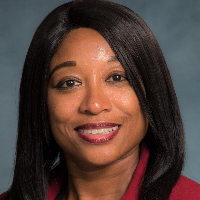
Georgia · 8 yrs exp
Works with Stress, Anxiety / Relationship / Family +12
Works by Client-Centered Therapy / Cognitive Behavioral Therapy (CBT)
View Profile
Colorado · 15 yrs exp
Works with Stress, Anxiety / Relationship / Intimacy-related issues +11
Works by Acceptance and Commitment Therapy (ACT) / Attachment-Based Therapy
View Profile
Louisiana · 7 yrs exp
Works with Stress, Anxiety / Family / Trauma and abuse +16
Works by Acceptance and Commitment Therapy (ACT) / Attachment-Based Therapy
View Profile
New Jersey · 5 yrs exp
Works with Stress, Anxiety / Relationship / Family +13
Works by Client-Centered Therapy / Cognitive Behavioral Therapy (CBT)
View Profile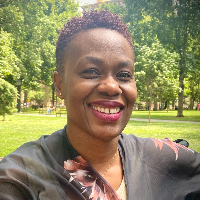
Oklahoma · 7 yrs exp
Works with Stress, Anxiety / Relationship / Grief +9
Works by Client-Centered Therapy / Cognitive Behavioral Therapy (CBT)
View Profile
Maryland · 6 yrs exp
Works with Stress, Anxiety / Trauma and abuse / Self esteem +11
Works by Attachment-Based Therapy / Client-Centered Therapy
View Profile
Maryland · 10 yrs exp
Works with Stress, Anxiety / Relationship / Family +13
Works by Client-Centered Therapy / Cognitive Behavioral Therapy (CBT)
View Profile
Michigan · 5 yrs exp
Works with Stress, Anxiety / Relationship / Family +13
Works by Acceptance and Commitment Therapy (ACT) / Cognitive Behavioral Therapy (CBT)
View Profile
Pennsylvania · 12 yrs exp
Works with Stress, Anxiety / Relationship / Self esteem +12
Works by Client-Centered Therapy / Cognitive Behavioral Therapy (CBT)
View Profile
Arizona · 6 yrs exp
Works with Stress, Anxiety / Relationship / Family +12
Works by Client-Centered Therapy / Cognitive Behavioral Therapy (CBT)
View Profile
Texas · 22 yrs exp
Works with Stress, Anxiety / Grief / Career +10
Works by Client-Centered Therapy / Cognitive Behavioral Therapy (CBT)
View Profile
Virginia · 9 yrs exp
Works with Stress, Anxiety / Relationship / Self esteem +8
Works by Client-Centered Therapy / Cognitive Behavioral Therapy (CBT)
View Profile
Texas · 6 yrs exp
Works with Stress, Anxiety / Relationship / Trauma and abuse +5
Works by Client-Centered Therapy / Cognitive Behavioral Therapy (CBT)
View Profile
Missouri · 7 yrs exp
Works with Stress, Anxiety / Addictions / Relationship +14
Works by Client-Centered Therapy / Cognitive Behavioral Therapy (CBT)
View Profile
Louisiana · 10 yrs exp
Works with Stress, Anxiety / Relationship / Family +13
Works by Attachment-Based Therapy / Client-Centered Therapy
View Profile
New York · 9 yrs exp
Works with Stress, Anxiety / Anger / Self esteem +14
Works by Acceptance and Commitment Therapy (ACT) / Client-Centered Therapy
View Profile
Texas · 10 yrs exp
Works with Stress, Anxiety / Relationship / Family +15
Works by Acceptance and Commitment Therapy (ACT) / Attachment-Based Therapy
View Profile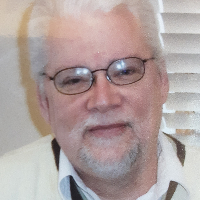
Michigan · 45 yrs exp
Works with Stress, Anxiety / Addictions / Trauma and abuse +11
Works by Client-Centered Therapy / Cognitive Behavioral Therapy (CBT)
View Profile
Ohio · 18 yrs exp
Works with Stress, Anxiety / Trauma and abuse / Grief +12
Works by Acceptance and Commitment Therapy (ACT) / Client-Centered Therapy
View Profile
Ohio · 33 yrs exp
Works with Stress, Anxiety / Family / Trauma and abuse +13
Works by Client-Centered Therapy / Cognitive Behavioral Therapy (CBT)
View Profile
Illinois · 10 yrs exp
Works with Stress, Anxiety / LGBT / Relationship +11
Works by Client-Centered Therapy / Emotionally-Focused Therapy (EFT)
View Profile
Texas · 10 yrs exp
Works with Relationship / Family / Anger +13
Works by Client-Centered Therapy / Cognitive Behavioral Therapy (CBT)
View Profile
Missouri · 11 yrs exp
Works with Stress, Anxiety / Intimacy-related issues / Anger +8
Works by Cognitive Behavioral Therapy (CBT) / Solution-Focused Therapy
View Profile
Oklahoma · 30 yrs exp
Works with Stress, Anxiety / Grief / Intimacy-related issues +9
Works by Client-Centered Therapy / Cognitive Behavioral Therapy (CBT)
View Profile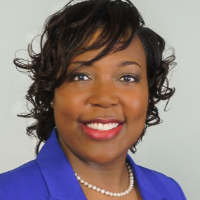
Florida · 10 yrs exp
Works with Relationship / Family / Self esteem +5
Works by Client-Centered Therapy / Cognitive Behavioral Therapy (CBT)
View Profile
Florida · 13 yrs exp
Works with Stress, Anxiety / Anger / Depression +14
Works by Cognitive Behavioral Therapy (CBT) / Dialectical Behavior Therapy (DBT)
View Profile
Colorado · 30 yrs exp
Works with Stress, Anxiety / Relationship / Trauma and abuse +16
Works by Client-Centered Therapy / Eye Movement Desensitization and Reprocessing (EMDR)
View Profile
Georgia · 14 yrs exp
Works with Stress, Anxiety / LGBT / Trauma and abuse +10
Works by Client-Centered Therapy / Cognitive Behavioral Therapy (CBT)
View Profile
Louisiana · 22 yrs exp
Works with Stress, Anxiety / Relationship / Family +12
Works by Client-Centered Therapy / Cognitive Behavioral Therapy (CBT)
View Profile
Wisconsin · 23 yrs exp
Works with Stress, Anxiety / Trauma and abuse / Eating +14
Works by Acceptance and Commitment Therapy (ACT) / Client-Centered Therapy
View Profile
Colorado · 11 yrs exp
Works with Stress, Anxiety / LGBT / Trauma and abuse +16
Works by Acceptance and Commitment Therapy (ACT) / Client-Centered Therapy
View Profile
Michigan · 15 yrs exp
Works with Stress, Anxiety / Anger / Self esteem +11
Works by Client-Centered Therapy / Cognitive Behavioral Therapy (CBT)
View Profile
North Carolina · 20 yrs exp
Works with Stress, Anxiety / Relationship / Family +10
View ProfileSelf esteem refers to how you evaluate and relate to yourself - the beliefs you hold about your worth, competence and belonging. It is not a fixed trait; self esteem can vary over time and across situations. Many people carry a mixture of confidence in some areas and doubt in others. Low self esteem often shows up as harsh self-criticism, avoidance of new challenges, difficulty accepting praise or a tendency to prioritize others' views over your own. Conversely, overly contingent self esteem can depend on external achievement or approval, which leaves you vulnerable when circumstances change.
Problems with self esteem affect relationships, work performance and emotional wellbeing. You might notice patterns of procrastination, fear of rejection, social withdrawal, or selecting roles that do not align with your goals because you expect to fail. These patterns can feel cyclical - one setback reinforces a negative self-view and makes it harder to take steps that would improve your confidence. Understanding how self esteem operates in your life is the first step toward changing those patterns and creating more resilience in how you cope with setbacks and pursue opportunities.
If you frequently doubt your worth, replay perceived failures, or downplay your accomplishments, counseling might help. You may find that you decline promotions or important social invitations because you assume you will not do well. Alternatively, you might overcompensate by seeking constant external validation, which can exhaust you and strain relationships. Emotional signs often include persistent sadness, anxiety about judgment, irritability when you feel undermined, or a sense that you are not living up to your potential.
Practical indicators are also telling. If you have repeated conflicts that stem from people-pleasing, or if you notice you accept work or relationships that compromise your boundaries, these are signals that self esteem is influencing choices. Academic or career underperformance that does not match your abilities can be another indicator, as can avoidance of new opportunities because you fear being exposed as inadequate. When these patterns interfere with the life you want to build, a licensed professional counselor can help you examine the beliefs and behaviors that maintain low self esteem and collaborate with you on concrete steps toward change.
When you begin sessions with a counselor who holds an LPC, LPCC, or LCPC, you can expect an initial intake conversation that explores your history, current concerns and goals. Counselors credentialed under these licenses are trained to start from how you are functioning now and what you want to work toward, rather than focusing solely on diagnostic labels. Early sessions typically include goal-setting and identifying patterns that keep negative self-beliefs in place. Over time, you and your counselor will work on strategies to shift those patterns and build more resilient self-regard.
Sessions are collaborative. Your counselor will ask questions to help you reflect, try out new behaviors between sessions, and evaluate what changes are helpful. Progress may involve learning to notice automatic negative thoughts, practicing new ways of speaking to yourself, and experimenting with actions that test the accuracy of old beliefs. Many people appreciate that counseling with a licensed professional counselor emphasizes strengths, development and practical steps for living more in line with your values.
Work on self esteem often includes exploring early messages you received from family or culture, identifying cognitive patterns that undercut confidence, and strengthening interpersonal skills so you can assert needs and set boundaries. Counselors may help you reframe internal narratives, increase self-compassion, and build a record of small successes to counter longstanding self-criticism. Because licensed professional counselors are trained with a wellness and developmental orientation, you can expect attention to how skills and insights translate into day-to-day functioning and life goals.
There is no single method for addressing self esteem, and counselors bring a range of orientations to this work. You will find counselors who describe cognitive-behavioral work, acceptance-based approaches, psychodynamic-informed reflection, humanistic and person-centered methods, narrative strategies that reframe personal stories, and interpersonal techniques that focus on relationship patterns. When you review profiles in this directory, note that listings record approaches the counselor mentions; this indicates what they include among their methods rather than a verified certification.
For example, therapists who list cognitive-behavioral approaches often focus on identifying and testing self-defeating thoughts and building specific skills. Those who list acceptance and commitment approaches may emphasize values-based action and changing your relationship with inner criticism. Counselors influenced by psychodynamic ideas might explore how early relationships shaped your self-view. Humanistic counselors often prioritize empathy, unconditional positive regard and creating a space where you can reconnect with your core strengths. Each approach can support self esteem growth when it is matched to what you prefer and what helps you change behavior.
Online counseling is an option that many people choose for convenience and access to a broader range of licensed professional counselors. When you work online, sessions typically take place via video or phone, and some counselors also offer messaging between sessions. Online work can make it easier to find a counselor whose focus and experience fit your needs, including those licensed as LPC, LPCC or LCPC in different states. Licensing is state-based, meaning the title and renewal rules are set by a state board, and the license name can differ by state - for example, LPCC in Ohio and California, and LCPC in Illinois and Maryland. In some jurisdictions LPC and LPCC exist side by side as distinct license stages; when that is the case it reflects the state's own naming conventions and requirements, not a universal ranking.
Online sessions follow much the same therapeutic process as in-person work: you and your counselor set goals, work through cognitive and behavioral patterns, and practice new skills in daily life. Many people find that working from home helps generalize new behaviors into their routine because sessions occur in the same context where challenges arise. If you prefer in-person meetings, look for counselors who list their practice locations. Whether you meet online or in person, the training and licensure requirements for these counselors include a master’s degree in counseling, a period of supervised postgraduate clinical experience commonly running two to three years and several thousand hours, and passing a national examination. State boards issue and renew the licenses, and specific requirements vary by state.
When deciding which counselor to contact, think about more than title. Consider the counselor's focus areas, the therapeutic approaches they list, languages spoken, years of experience, and any populations they emphasize. Profiles in this directory let you see those details so you can get a sense of fit. If you live in a state where the license name differs from what you expect - for example LCPC in Illinois or LPCC in Kentucky - remember that these labels refer to the same licensed professional counseling field under the state's rules. In some states both LPC and LPCC exist with different requirements; that difference is a matter of state naming and supervised practice regulations rather than a comment on a counselor's suitability.
Think about practical fit as well. If you respond better to structured skill-building, a counselor who lists cognitive or behavioral approaches among their methods might suit you. If you want a reflective, relationship-focused process, look for counselors who describe humanistic or psychodynamic influences. Also consider cultural, linguistic and life-experience fit; some counselors highlight work with particular age groups, cultural identities or life transitions. Use the directory to learn how counselors describe their focus and approach, then choose someone whose profile resonates with what you want to work on. Over time you can reassess and adapt as your needs change, and many people find that clarity about goals and method helps make counseling for self esteem a productive investment in everyday life.
Alabama
238 therapists
Alaska
20 therapists
Arizona
196 therapists
Arkansas
116 therapists
California
174 therapists
Colorado
346 therapists
Connecticut
79 therapists
Delaware
4 therapists
District of Columbia
26 therapists
Florida
152 therapists
Georgia
623 therapists
Hawaii
5 therapists
Idaho
90 therapists
Illinois
383 therapists
Indiana
22 therapists
Iowa
11 therapists
Kansas
41 therapists
Kentucky
128 therapists
Louisiana
310 therapists
Maine
42 therapists
Maryland
174 therapists
Massachusetts
5 therapists
Michigan
318 therapists
Minnesota
117 therapists
Mississippi
151 therapists
Missouri
388 therapists
Montana
78 therapists
Nebraska
12 therapists
Nevada
36 therapists
New Hampshire
7 therapists
New Jersey
261 therapists
New Mexico
61 therapists
New York
32 therapists
North Carolina
89 therapists
North Dakota
12 therapists
Ohio
281 therapists
Oklahoma
278 therapists
Oregon
89 therapists
Pennsylvania
523 therapists
Rhode Island
4 therapists
South Carolina
281 therapists
South Dakota
28 therapists
Tennessee
143 therapists
Texas
1899 therapists
Utah
19 therapists
Vermont
8 therapists
Virginia
287 therapists
Washington
19 therapists
West Virginia
46 therapists
Wisconsin
210 therapists
Wyoming
45 therapists