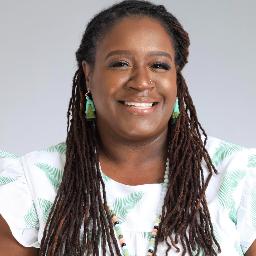
About Zatascha
Zatascha Burton is a licensed professional counselor who helps people facing stress, anxiety, depression, and trauma. She writes plainly and listens carefully to understand each person’s situation. Her work is practical and focused on what someone needs right now.
She uses straightforward methods to help people manage strong emotions like anger, grief, and shame. Zatascha also supports people dealing with relationship strains, career crossroads, life changes, and identity questions including LGBT concerns.
Background and approach
Sessions often focus on improving communication, building self-esteem, and finding purpose. With 14 years of experience, she draws on several approaches to match the pace and goals of the person sitting across from her. That can mean learning new thinking patterns, practicing grounding skills, or processing traumatic memories over time.
The focus is on usable tools and steady progress. Zatascha pays attention to cultural background and life stage when planning care. She aims to make therapy relevant to each person’s daily life.
That may include short-term strategies for coping and longer-term work on deeper patterns. Her practice offers flexible ways to connect and supports people from Georgia and beyond. Conversations are collaborative: goals are set together and adjusted as needed.
People who want clear, practical help for emotional and life challenges often find this approach helpful.
Approaches you can use online
Client-Centered Therapy focuses on listening and responding to the person in front of the therapist. It helps people feel heard and build confidence to make changes. Cognitive Behavioral Therapy, or CBT, looks at thought patterns and behaviors and teaches practical steps to reduce anxiety, depression, and stress. Dialectical Behavior Therapy, DBT, emphasizes emotion regulation, distress tolerance, and better communication for people who struggle with intense feelings. Finding the right approach is part of the therapy process. The therapist will work collaboratively to choose methods that match the client’s goals, needs, and what feels comfortable. That can mean starting with skills work, then shifting to deeper processing, or mixing techniques in the same plan. Online therapy offers flexibility through video calls, phone sessions, live chat, and text messaging. Video lets people use face-to-face conversation and visual cues, while phone sessions can fit into a short break or when bandwidth is limited. Live chat and text are useful for quick check-ins, ongoing coaching, or when someone prefers writing over talking. These options make it easier to fit therapy into a busy life and to keep momentum between sessions.Questions people ask
What concerns does she help with?
What is her therapeutic style like?
How much experience does she have?
What credentials and location apply?
Which languages and international options are available?
How are sessions offered?
What does therapy cost?
How do I begin working with her?
What this counselor works with
Most often
Also listed
- Abandonment
- ADHD
- Aging and geriatric issues
- Anger management
- Attachment issues
- Avoidant personality
- Body image
- Career difficulties
- Coaching
- Commitment issues
- Communication problems
- Coping with life changes
- Depression
- Dissociation
- Family conflicts
- Family problems
- Grief
- Guilt and shame
- Hospice and end-of-life counseling
- Life purpose
- Mood disorders
- Multicultural concerns
- Post-traumatic stress
- Relationship issues
- Self esteem
- Self-love
- Sexuality
- Veteran and Armed Forces Issues
- Women's issues
- Workplace issues
- Young adult issues
Therapeutic approaches
- Experience
- 14 years
- Licensed
- Georgia
- Languages
- English