
Ruth Vanden Bosch, LPC
Michigan · 25 yrs exp
Works with Stress, Anxiety / LGBT / Relationship +11
Works by Attachment-Based Therapy / Cognitive Behavioral Therapy (CBT)
View ProfileThe therapist listings are provided by BetterHelp and we will earn a commission if you use our link - at no cost to you.
Explore licensed professional counselors who list hospice and end-of-life counseling as a focus area. Browse the listings below to review credentials, focus areas, approaches, languages, and experience as you look for a counselor who may fit your needs.
Michigan · 25 yrs exp
Works with Stress, Anxiety / LGBT / Relationship +11
Works by Attachment-Based Therapy / Cognitive Behavioral Therapy (CBT)
View Profile
Missouri · 23 yrs exp
Works with Stress, Anxiety / Addictions / Trauma and abuse +11
Works by Client-Centered Therapy / Cognitive Behavioral Therapy (CBT)
View Profile
Mississippi · 16 yrs exp
Works with Stress, Anxiety / Relationship / Family +7
Works by Cognitive Behavioral Therapy (CBT) / Gottman Method
View Profile
Colorado · 15 yrs exp
Works with Stress, Anxiety / Relationship / Intimacy-related issues +11
Works by Acceptance and Commitment Therapy (ACT) / Attachment-Based Therapy
View Profile
Louisiana · 7 yrs exp
Works with Stress, Anxiety / Family / Trauma and abuse +16
Works by Acceptance and Commitment Therapy (ACT) / Attachment-Based Therapy
View Profile
Maryland · 6 yrs exp
Works with Stress, Anxiety / Trauma and abuse / Self esteem +11
Works by Attachment-Based Therapy / Client-Centered Therapy
View Profile
Texas · 22 yrs exp
Works with Stress, Anxiety / Grief / Career +10
Works by Client-Centered Therapy / Cognitive Behavioral Therapy (CBT)
View Profile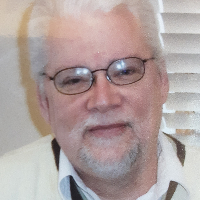
Michigan · 45 yrs exp
Works with Stress, Anxiety / Addictions / Trauma and abuse +11
Works by Client-Centered Therapy / Cognitive Behavioral Therapy (CBT)
View Profile
Ohio · 33 yrs exp
Works with Stress, Anxiety / Family / Trauma and abuse +13
Works by Client-Centered Therapy / Cognitive Behavioral Therapy (CBT)
View Profile
Georgia · 14 yrs exp
Works with Stress, Anxiety / LGBT / Trauma and abuse +10
Works by Client-Centered Therapy / Cognitive Behavioral Therapy (CBT)
View Profile
Louisiana · 10 yrs exp
Works with Stress, Anxiety / Grief / Anger +9
Works by Client-Centered Therapy / Cognitive Behavioral Therapy (CBT)
View Profile
Missouri · 14 yrs exp
Works with Stress, Anxiety / Self esteem / Career +14
Works by Acceptance and Commitment Therapy (ACT) / Attachment-Based Therapy
View Profile
Mississippi · 25 yrs exp
Works with Stress, Anxiety / Relationship / Family +16
Works by Acceptance and Commitment Therapy (ACT) / Client-Centered Therapy
View Profile
Illinois · 12 yrs exp
Works with Trauma and abuse / Self esteem / Coping with life changes +9
Works by Acceptance and Commitment Therapy (ACT) / Attachment-Based Therapy
View Profile
Louisiana · 28 yrs exp
Works with Stress, Anxiety / Relationship / Grief +16
Works by Acceptance and Commitment Therapy (ACT) / Attachment-Based Therapy
View Profile
Illinois · 25 yrs exp
Works with Stress, Anxiety / Grief / Parenting +2
Works by Client-Centered Therapy / Emotionally-Focused Therapy (EFT)
View Profile
Missouri · 17 yrs exp
Works with Stress, Anxiety / Addictions / Relationship +10
Works by Attachment-Based Therapy / Client-Centered Therapy
View Profile
Texas · 26 yrs exp
Works with Stress, Anxiety / Relationship / Trauma and abuse +12
Works by Client-Centered Therapy / Cognitive Behavioral Therapy (CBT)
View Profile
South Carolina · 8 yrs exp
Works with Stress, Anxiety / Relationship / Family +12
Works by Client-Centered Therapy / Cognitive Behavioral Therapy (CBT)
View Profile
South Carolina · 8 yrs exp
Works with Stress, Anxiety / Trauma and abuse / Self esteem +17
Works by Attachment-Based Therapy / Client-Centered Therapy
View Profile
Alabama · 24 yrs exp
Works with Stress, Anxiety / Addictions / Self esteem +15
Works by Client-Centered Therapy / Cognitive Behavioral Therapy (CBT)
View Profile
Montana · 23 yrs exp
Works with Stress, Anxiety / Family / Trauma and abuse +13
Works by Acceptance and Commitment Therapy (ACT) / Attachment-Based Therapy
View Profile
Wisconsin · 30 yrs exp
Works with Stress, Anxiety / Relationship / Family +10
Works by Client-Centered Therapy / Solution-Focused Therapy
View Profile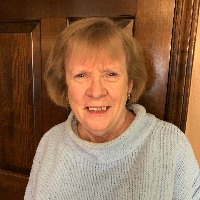
Kansas · 35 yrs exp
Works with Stress, Anxiety / Trauma and abuse / Grief +14
Works by Acceptance and Commitment Therapy (ACT) / Cognitive Behavioral Therapy (CBT)
View Profile
Missouri · 22 yrs exp
Works with Stress, Anxiety / Family / Trauma and abuse +14
Works by Client-Centered Therapy / Cognitive Behavioral Therapy (CBT)
View Profile
Oklahoma · 9 yrs exp
Works with Stress, Anxiety / Anger / Self esteem +17
Works by Acceptance and Commitment Therapy (ACT) / Attachment-Based Therapy
View Profile
Michigan · 25 yrs exp
Works with Stress, Anxiety / Relationship / Grief +10
Works by Cognitive Behavioral Therapy (CBT)
View Profile
Texas · 12 yrs exp
Works with Stress, Anxiety / Trauma and abuse / Eating +14
Works by Client-Centered Therapy / Cognitive Behavioral Therapy (CBT)
View Profile
Missouri · 8 yrs exp
Works with Stress, Anxiety / Addictions / LGBT +16
Works by Client-Centered Therapy / Cognitive Behavioral Therapy (CBT)
View Profile
Texas · 15 yrs exp
Works with Addictions / Trauma and abuse / Grief +11
Works by Client-Centered Therapy / Cognitive Behavioral Therapy (CBT)
View Profile
Alabama · 41 yrs exp
Works with Stress, Anxiety / Addictions / Trauma and abuse +15
Works by Attachment-Based Therapy / Cognitive Behavioral Therapy (CBT)
View Profile
Arkansas · 18 yrs exp
Works with Stress, Anxiety / Family / Trauma and abuse +16
Works by Client-Centered Therapy / Cognitive Behavioral Therapy (CBT)
View Profile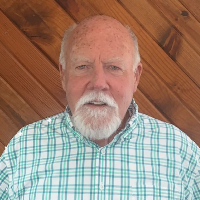
Missouri · 45 yrs exp
Works with Stress, Anxiety / Relationship / Family +16
Works by Client-Centered Therapy / Cognitive Behavioral Therapy (CBT)
View Profile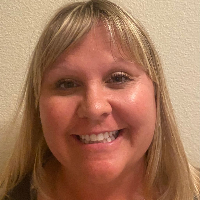
Colorado · 18 yrs exp
Works with Stress, Anxiety / Addictions / Relationship +16
Works by Client-Centered Therapy / Cognitive Behavioral Therapy (CBT)
View Profile
Texas · 20 yrs exp
Works with Trauma and abuse / Grief / Anger +8
View Profile
Oklahoma · 25 yrs exp
Works with Stress, Anxiety / Family / Trauma and abuse +16
Works by Client-Centered Therapy / Cognitive Behavioral Therapy (CBT)
View Profile
Oklahoma · 30 yrs exp
Works with Stress, Anxiety / Family / Trauma and abuse +7
View Profile
Texas · 22 yrs exp
Works with Stress, Anxiety / Trauma and abuse / Grief +15
Works by Cognitive Behavioral Therapy (CBT) / Motivational Interviewing
View Profile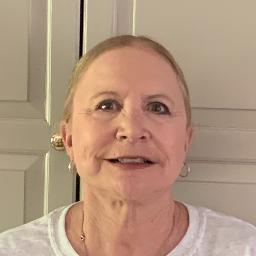
Arizona · 10 yrs exp
Works with Stress, Anxiety / Addictions / Relationship +15
Works by Acceptance and Commitment Therapy (ACT) / Attachment-Based Therapy
View Profile
Texas · 20 yrs exp
Works with Stress, Anxiety / Trauma and abuse / Self esteem +17
Works by Acceptance and Commitment Therapy (ACT) / Attachment-Based Therapy
View Profile
Georgia · 34 yrs exp
Works with Stress, Anxiety / Addictions / Anger +13
Works by Acceptance and Commitment Therapy (ACT) / Client-Centered Therapy
View Profile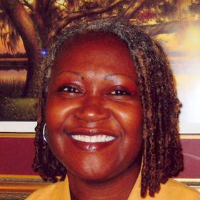
South Carolina · 25 yrs exp
Works with Addictions / Relationship / Grief +10
Works by Acceptance and Commitment Therapy (ACT) / Client-Centered Therapy
View Profile
Texas · 16 yrs exp
Works with Stress, Anxiety / Addictions / Relationship +10
Works by Attachment-Based Therapy / Client-Centered Therapy
View Profile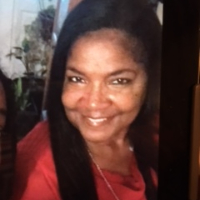
Georgia · 9 yrs exp
Works with Stress, Anxiety / Anger / Self esteem +12
Works by Acceptance and Commitment Therapy (ACT) / Cognitive Behavioral Therapy (CBT)
View Profile
Alabama · 20 yrs exp
Works with Stress, Anxiety / Grief / Parenting +14
Works by Client-Centered Therapy / Cognitive Behavioral Therapy (CBT)
View Profile
Michigan · 18 yrs exp
Works with Relationship / Trauma and abuse / Grief +2
Works by Client-Centered Therapy / Narrative Therapy
View Profile
New Jersey · 3 yrs exp
Works with Stress, Anxiety / Grief / Self esteem +7
Works by Cognitive Behavioral Therapy (CBT) / Mindfulness Therapy
View Profile
Texas · 42 yrs exp
Works with Stress, Anxiety / Family / Trauma and abuse +9
Works by Client-Centered Therapy / Cognitive Behavioral Therapy (CBT)
View ProfileHospice and end-of-life counseling supports people facing life-limiting illness, their loved ones, and caregivers as they navigate practical decisions, emotional processing, and meaning-making. You may seek this type of counseling when prognosis, symptom changes, or transitions in care bring up distressing feelings such as grief, anger, anxiety, or numbness. Counselors in this specialty help people explore values, legacy concerns, family dynamics, and the interpersonal impacts of serious illness so that daily life and relationships can feel more manageable in a difficult time.
Licensed professional counselors bring a wellness and developmental orientation to this work. That means the conversation usually starts with how you are functioning now and what you are aiming for - whether that is symptom relief, clearer communication in the family, or making plans that align with your values - rather than beginning from diagnosis alone. Because end-of-life concerns often span practical, spiritual, emotional, and relational territory, counseling commonly includes attention to caregiving stress, anticipatory grief, decision-making conversations, and bereavement preparation.
The counselors listed here hold state licenses specific to the counseling profession. Depending on the state, that license may appear as LPC (Licensed Professional Counselor), LPCC (Licensed Professional Clinical Counselor), or LCPC (Licensed Clinical Professional Counselor). In Illinois, Maryland, and Montana you will most often see LCPC; in Ohio, California, Kentucky, and Minnesota you may see LPCC. In a few states LPC and LPCC exist side by side as different licensing stages or titles; when that distinction matters it is a matter of the state’s naming and supervised practice requirements rather than a comment about an individual’s worth.
You might consider counseling if you notice persistent anxiety, difficulty sleeping, intrusive thoughts about the illness, or an inability to talk with family about wishes and care. Caregivers often experience exhaustion, resentment, or guilt that affects their health and relationships; counseling can offer a place to process those emotions and identify coping strategies. You may also look for counseling if planning and decision-making feel overwhelming, if spiritual or existential questions are arising, or if you are noticing changes in how you relate to loved ones as the illness progresses.
Another common reason people seek this specialty is anticipatory grief - grieving losses that have not yet occurred. That experience can be confusing because it blends mourning for what has already changed with preparation for future loss. If you find yourself withdrawing, avoiding important conversations, or relying heavily on substances or behaviors to manage distress, those are signals that supportive clinical care may help. Counseling is also a resource after a loved one dies, when bereavement feels protracted or unusually intense and you want support in navigating practical and emotional adjustments.
Sessions typically begin with an intake conversation that helps the counselor understand your current situation, immediate concerns, cultural and spiritual values, and what you hope to get from counseling. You and the counselor will discuss goals that may change over time - for example focusing first on symptom and stress management and later on legacy conversations or bereavement planning. Expect a mix of listening, reflective questions, and practical problem-solving tailored to your priorities.
Therapy may include short-term interventions for acute distress as well as longer-term work that supports meaning-making and relationship repair. You can expect attention to communication within families, guidance for difficult conversations about care preferences, and tools to manage anxiety and sleep disruption. Counselors often involve caregivers or family members when that fits your goals, or they may work one-on-one if you prefer. Because each counselor lists different focus areas and approaches, a useful part of your search is finding someone who describes experience with caregiving, grief, trauma considerations, or cultural issues important to you.
There is no single method that defines hospice and end-of-life counseling. Instead, counselors draw from a range of approaches to meet your needs. You may encounter counselors who list cognitive-behavioral strategies among their approaches to help manage anxiety and insomnia, or who list narrative-based methods to assist with life review and legacy work. Some counselors emphasize acceptance and mindfulness-oriented practices that help with tolerating difficult feelings, while others use emotionally focused techniques to support communication in relationships affected by illness.
When comparing counselors you will see that profiles often mention different approaches. Remember that a listing of an approach does not prove a specific certification; it only indicates that a therapist includes that approach among the methods they use. What matters most is how well the counselor can adapt techniques to the realities of serious illness and bereavement and how comfortable you feel discussing delicate topics like end-of-life wishes and spiritual concerns.
Online counseling can increase access to counselors with hospice and end-of-life experience, especially if you live in a rural area or if travel is difficult. Sessions may take place by video or by telephone, depending on the counselor's preferences and your comfort. In many cases the format mirrors in-person work: an initial assessment, collaborative goal-setting, and ongoing sessions that focus on emotional regulation, planning, and relationship work. You may find video helpful for face-to-face connection, while phone sessions can be easier when symptoms or caregiving demands make video impractical.
When you choose online counseling, consider practical factors such as comfort with technology, available space in your home where you can talk without interruption, and whether you prefer including family members who are in different places. Counselors who work online will follow state licensure rules about where they can provide services, so it is useful to note state licensing in profiles and to look for counselors who list experience working across settings like home, hospice, hospital, and outpatient clinics. Online formats can also allow you to combine counseling with coordination of resources and referrals when needed.
Begin by looking at credentials and experience on each counselor’s profile. All listings here indicate that a clinician holds a state counseling license. Beyond that, compare areas of focus to find clinicians who list hospice, bereavement, caregiving, trauma-informed care, or family systems work if those match your needs. Note whether the profile uses LPC, LPCC, or LCPC - the different names refer to the same counseling profession in many states, though some states use more than one title to reflect distinct stages of licensure. When the distinction matters it is set by the state board rather than by an individual clinician’s ability to provide end-of-life support.
Consider also language and cultural fit, clinical interests, and settings where the counselor has worked. If spiritual concerns are important to you, look for counselors who list experience integrating spiritual or existential conversations. If caregiving is your main stressor, prioritize clinicians who describe caregiver support and burnout work. Remember that the source data records credentials and self-listed focus areas and approaches; profiles do not verify outcomes or specialized certifications. Use the information to find counselors whose experience and approach feel aligned with what you hope to accomplish, and plan to ask about process, goals, and pacing in an initial conversation.
Finally, take your time in making a choice. Finding a counselor who understands both the clinical demands of end-of-life work and your personal values can make a significant difference in how supported you feel. The listings below let you compare credentials, descriptions, and languages so you can identify counselors who match what matters most to you.
Alabama
238 therapists
Alaska
20 therapists
Arizona
196 therapists
Arkansas
116 therapists
California
174 therapists
Colorado
346 therapists
Connecticut
79 therapists
Delaware
4 therapists
District of Columbia
26 therapists
Florida
152 therapists
Georgia
623 therapists
Hawaii
5 therapists
Idaho
90 therapists
Illinois
383 therapists
Indiana
22 therapists
Iowa
11 therapists
Kansas
41 therapists
Kentucky
128 therapists
Louisiana
310 therapists
Maine
42 therapists
Maryland
174 therapists
Massachusetts
5 therapists
Michigan
318 therapists
Minnesota
117 therapists
Mississippi
151 therapists
Missouri
388 therapists
Montana
78 therapists
Nebraska
12 therapists
Nevada
36 therapists
New Hampshire
7 therapists
New Jersey
261 therapists
New Mexico
61 therapists
New York
32 therapists
North Carolina
89 therapists
North Dakota
12 therapists
Ohio
281 therapists
Oklahoma
278 therapists
Oregon
89 therapists
Pennsylvania
523 therapists
Rhode Island
4 therapists
South Carolina
281 therapists
South Dakota
28 therapists
Tennessee
143 therapists
Texas
1899 therapists
Utah
19 therapists
Vermont
8 therapists
Virginia
287 therapists
Washington
19 therapists
West Virginia
46 therapists
Wisconsin
210 therapists
Wyoming
45 therapists