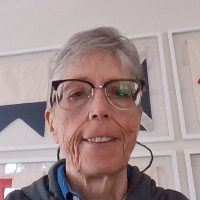
About Kim
Kim Erin OConnor is a Licensed Professional Counselor in New Jersey who uses practical therapy to help people manage stress, anxiety, grief, and life changes. She focuses on clear, step-by-step work that helps clients build coping skills and stronger self-esteem. Kim aims to make sessions straightforward and useful for everyday life.
Kim draws from several approaches to shape treatment. She uses Cognitive Behavioral Therapy to help people spot unhelpful thinking and change small patterns that make problems worse.
Background and approach
Mindfulness therapy is part of her work when slowing down and noticing thoughts and feelings helps reduce reactivity. Motivational interviewing is used to support people who want to make changes but feel stuck. Her background includes experience with depression, addictions, compassion fatigue, and concerns common in caregiving and serious illness such as cancer and hospice work.
She also supports people facing panic attacks, social anxiety, seasonal mood changes, and co-occurring substance issues. Sessions often include skill practice, problem-solving, and goal setting. Kim brings three years of experience as an LPC in New Jersey and frames therapy as a collaborative process.
She helps people identify small, realistic steps and checks progress along the way. Her approach balances practical tools with attention to personal meaning and life context. People who want a direct, skills-based style will find an emphasis on usable techniques and steady follow-through.
Conversations are kept down-to-earth, with an eye toward improving daily functioning and reducing distress.
Approaches that guide online sessions
Kim often uses Cognitive Behavioral Therapy to help people recognize unhelpful thoughts and try small behavioral changes. This approach is useful for anxiety, depression, panic attacks, and problems that respond to skill practice. Mindfulness therapy is another approach she uses to teach simple attention and breathing strategies that lower reactivity and improve calmness. Motivational Interviewing helps when someone feels ready to change but needs support finding internal motivation and setting doable goals.Finding the right approach is part of the work together. The therapist will discuss goals, try techniques, and adjust the plan based on what helps. Clients and therapist collaborate on which methods fit best and which skills to practice between sessions.
Online formats include video calls, phone sessions, live chat, and text-based messaging. Video is useful for deeper conversations and seeing nonverbal cues, while phone calls can fit a quick check-in or someone with limited bandwidth. Live chat and text messaging work well for brief updates, homework check-ins, or when writing helps clarify thoughts. These options make it easier to fit therapy into a busy life and keep consistent progress.
Questions people ask
What concerns does this therapist help with?
What is her therapy style like?
How much clinical experience does she have?
What credentials and location are listed?
Which languages are supported for sessions?
What session formats are available?
How does payment and cost work?
How do I begin working with this therapist?
What this counselor works with
Most often
Also listed
- Addictions
- Anger management
- Cancer
- Caregiver issues and stress
- Co-morbidity
- Coaching
- Compassion fatigue
- Coping with life changes
- Depression
- Drug and alcohol addiction
- Hospice and end-of-life counseling
- LGBT
- Panic disorder and panic attacks
- Seasonal Affective Disorder (SAD)
- Social anxiety and phobia
Therapeutic approaches
- Experience
- 3 years
- Licensed
- New Jersey
- Languages
- English