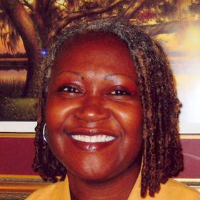
About Doris
Dr. Doris "Dee" Hann-Morrison uses an approach that centers the client's goals and strengths. She draws on her LPC credential and 25 years of clinical experience to help people move toward change.
Dee is direct and practical in sessions and asks clients to come ready to grow. She focuses on issues such as addiction, grief, depression, anxiety, relationship concerns, parenting stress, career transitions, and compassion fatigue. She also works with concerns tied to trauma, intimacy, body image, caregiving strain, and end-of-life questions.
Background and approach
Cultural background and spirituality are acknowledged when clients wish to include them. Dee blends several therapy styles to match a person's needs. She uses Acceptance and Commitment Therapy ideas to help people clarify values and take action.
Client-centered work keeps sessions grounded in the client's experience and strengths. Motivational interviewing supports people who are ambivalent about change, such as with substance use or behavior shifts. Mindfulness and existential approaches help with coping, meaning, and living with uncertainty.
Sessions tend to be straightforward, goal-focused, and respectful of each person's cultural values. Her practice offers video calls, phone sessions, live chat, and text-based messaging. Sessions are arranged through a subscription that can be canceled at any time.
Dee works from South Carolina and conducts sessions in English.
How therapy approaches translate to online work
Acceptance and Commitment Therapy (ACT) helps people clarify what matters to them and take action in line with those values. Online ACT focuses on practical exercises and short between-session tasks to build meaningful habits.Client-Centered Therapy keeps the conversation focused on the client's experience and choices. In remote sessions this approach creates a space where the therapist listens, reflects, and follows the client's lead to find what feels useful.
Finding the right approach is part of the work. The therapist will talk with each person about goals, preferences, and life circumstances and then recommend techniques and a plan. This is a collaborative process and adjustments are made as needed over time.
Online formats include video calls, phone sessions, live chat, and text-based messaging. Video sessions are good for face-to-face conversation and visual cues. Phone sessions fit when bandwidth is limited or a shorter check-in is needed. Live chat and text messaging offer flexible, written exchanges that can be easier to fit into a busy day. These options make it simpler to keep momentum and use therapy in a way that fits daily life.
Questions people ask
What concerns does she address?
What is her therapeutic style like?
How much clinical experience does she have?
Where does she practice and what are her credentials?
In which languages are sessions offered?
Can people outside the United States work with her?
What session formats are available?
How does cost and scheduling work?
What this counselor works with
Most often
- Addictions
- Relationship issues
- Grief
Also listed
- Aging and geriatric issues
- Body image
- Career difficulties
- Caregiver issues and stress
- Codependency
- Compassion fatigue
- Coping with life changes
- Depression
- Divorce and separation
- Domestic violence
- Drug and alcohol addiction
- Family conflicts
- Fatherhood issues
- Forgiveness
- Guilt and shame
- Hospice and end-of-life counseling
- Infidelity
- Intimacy-related issues
- Midlife crisis
- Mood disorders
- Multicultural concerns
- Parenting issues
- Prejudice and discrimination
- Self esteem
- Self-love
- Stress, Anxiety
- Trauma and abuse
- Women's issues
Therapeutic approaches
- Experience
- 25 years
- Licensed
- South Carolina
- Languages
- English