
Aisha Simons, LPC
Georgia · 20 yrs exp
Works with Stress, Anxiety / Addictions / Relationship +13
Works by Client-Centered Therapy / Cognitive Behavioral Therapy (CBT)
View ProfileThe therapist listings are provided by BetterHelp and we will earn a commission if you use our link - at no cost to you.
This page connects you with licensed professional counselors who list multicultural concerns as a focus. Explore counselors who hold LPC, LPCC, or LCPC licensure and browse profiles below to learn more about their focus areas, approaches, languages, and experience.
If you are navigating identity, cultural transition, discrimination, or intergenerational conflict, review the listings to find counselors whose background and interests align with what you want to work on.
Georgia · 20 yrs exp
Works with Stress, Anxiety / Addictions / Relationship +13
Works by Client-Centered Therapy / Cognitive Behavioral Therapy (CBT)
View Profile
Missouri · 23 yrs exp
Works with Stress, Anxiety / Addictions / Trauma and abuse +11
Works by Client-Centered Therapy / Cognitive Behavioral Therapy (CBT)
View Profile
Georgia · 10 yrs exp
Works with Stress, Anxiety / Grief / Self esteem +11
Works by Client-Centered Therapy / Cognitive Behavioral Therapy (CBT)
View Profile
Mississippi · 16 yrs exp
Works with Stress, Anxiety / Relationship / Family +7
Works by Cognitive Behavioral Therapy (CBT) / Gottman Method
View Profile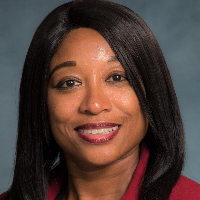
Georgia · 8 yrs exp
Works with Stress, Anxiety / Relationship / Family +12
Works by Client-Centered Therapy / Cognitive Behavioral Therapy (CBT)
View Profile
Colorado · 15 yrs exp
Works with Stress, Anxiety / Relationship / Intimacy-related issues +11
Works by Acceptance and Commitment Therapy (ACT) / Attachment-Based Therapy
View Profile
Louisiana · 7 yrs exp
Works with Stress, Anxiety / Family / Trauma and abuse +16
Works by Acceptance and Commitment Therapy (ACT) / Attachment-Based Therapy
View Profile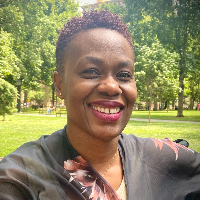
Oklahoma · 7 yrs exp
Works with Stress, Anxiety / Relationship / Grief +9
Works by Client-Centered Therapy / Cognitive Behavioral Therapy (CBT)
View Profile
Louisiana · 10 yrs exp
Works with Stress, Anxiety / Relationship / Family +13
Works by Attachment-Based Therapy / Client-Centered Therapy
View Profile
Texas · 10 yrs exp
Works with Stress, Anxiety / Relationship / Family +15
Works by Acceptance and Commitment Therapy (ACT) / Attachment-Based Therapy
View Profile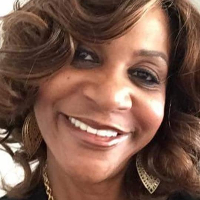
Ohio · 18 yrs exp
Works with Stress, Anxiety / Trauma and abuse / Grief +12
Works by Acceptance and Commitment Therapy (ACT) / Client-Centered Therapy
View Profile
Illinois · 10 yrs exp
Works with Stress, Anxiety / LGBT / Relationship +11
Works by Client-Centered Therapy / Emotionally-Focused Therapy (EFT)
View Profile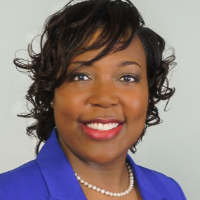
Florida · 10 yrs exp
Works with Relationship / Family / Self esteem +5
Works by Client-Centered Therapy / Cognitive Behavioral Therapy (CBT)
View Profile
Georgia · 14 yrs exp
Works with Stress, Anxiety / LGBT / Trauma and abuse +10
Works by Client-Centered Therapy / Cognitive Behavioral Therapy (CBT)
View Profile
Colorado · 11 yrs exp
Works with Stress, Anxiety / LGBT / Trauma and abuse +16
Works by Acceptance and Commitment Therapy (ACT) / Client-Centered Therapy
View Profile
North Carolina · 18 yrs exp
Works with Stress, Anxiety / Addictions / Trauma and abuse +14
Works by Client-Centered Therapy / Cognitive Behavioral Therapy (CBT)
View Profile
Texas · 8 yrs exp
Works with Stress, Anxiety / Grief / Self esteem +12
Works by Cognitive Behavioral Therapy (CBT) / Solution-Focused Therapy
View Profile
Missouri · 14 yrs exp
Works with Stress, Anxiety / Self esteem / Career +14
Works by Acceptance and Commitment Therapy (ACT) / Attachment-Based Therapy
View Profile
Montana · 16 yrs exp
Works with Stress, Anxiety / Relationship / Self esteem +12
Works by Client-Centered Therapy / Cognitive Behavioral Therapy (CBT)
View Profile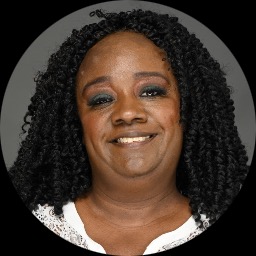
Pennsylvania · 10 yrs exp
Works with Stress, Anxiety / Relationship / Grief +9
Works by Cognitive Behavioral Therapy (CBT) / Dialectical Behavior Therapy (DBT)
View Profile
Texas · 10 yrs exp · 2 languages
Works with Stress, Anxiety / Relationship / Anger +17
Works by Cognitive Behavioral Therapy (CBT) / Solution-Focused Therapy
View Profile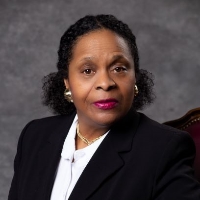
Missouri · 20 yrs exp
Works with Stress, Anxiety / Addictions / Trauma and abuse +15
Works by Client-Centered Therapy / Cognitive Behavioral Therapy (CBT)
View Profile
Mississippi · 25 yrs exp
Works with Stress, Anxiety / Relationship / Family +16
Works by Acceptance and Commitment Therapy (ACT) / Client-Centered Therapy
View Profile
Georgia · 17 yrs exp
Works with Relationship / Family / Trauma and abuse +14
Works by Acceptance and Commitment Therapy (ACT) / Attachment-Based Therapy
View Profile
Georgia · 3 yrs exp
Works with Stress, Anxiety / Relationship / Family +7
Works by Cognitive Behavioral Therapy (CBT)
View Profile
Virginia · 13 yrs exp
Works with Stress, Anxiety / Anger / Self esteem +10
Works by Acceptance and Commitment Therapy (ACT) / Client-Centered Therapy
View Profile
Georgia · 35 yrs exp
Works with Stress, Anxiety / Anger / Self esteem +6
Works by Cognitive Behavioral Therapy (CBT) / Solution-Focused Therapy
View Profile
Louisiana · 16 yrs exp
Works with Stress, Anxiety / Relationship / Career +15
Works by Client-Centered Therapy / Cognitive Behavioral Therapy (CBT)
View Profile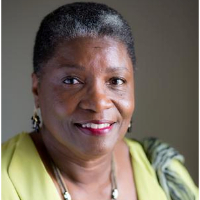
Florida · 12 yrs exp
Works with Stress, Anxiety / Addictions / Parenting +9
Works by Client-Centered Therapy / Cognitive Behavioral Therapy (CBT)
View Profile
Illinois · 12 yrs exp
Works with Trauma and abuse / Self esteem / Coping with life changes +9
Works by Acceptance and Commitment Therapy (ACT) / Attachment-Based Therapy
View Profile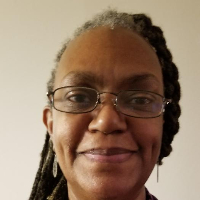
Maryland · 25 yrs exp
Works with Stress, Anxiety / Addictions / Relationship +13
Works by Acceptance and Commitment Therapy (ACT) / Client-Centered Therapy
View Profile
Illinois · 38 yrs exp
Works with Stress, Anxiety / Self esteem / Depression +10
Works by Client-Centered Therapy / Cognitive Behavioral Therapy (CBT)
View Profile
Louisiana · 10 yrs exp
Works with Stress, Anxiety / Trauma and abuse / Anger +9
Works by Client-Centered Therapy / Cognitive Behavioral Therapy (CBT)
View Profile
Louisiana · 12 yrs exp
Works with Relationship / Parenting / Anger +15
Works by Cognitive Behavioral Therapy (CBT) / Psychodynamic Therapy
View Profile
Michigan · 13 yrs exp
Works with Stress, Anxiety / Addictions / Trauma and abuse +17
Works by Acceptance and Commitment Therapy (ACT) / Client-Centered Therapy
View Profile
Minnesota · 7 yrs exp
Works with Stress, Anxiety / LGBT / Trauma and abuse +10
Works by Client-Centered Therapy / Cognitive Behavioral Therapy (CBT)
View Profile
Texas · 18 yrs exp
Works with Stress, Anxiety / Addictions / LGBT +15
Works by Attachment-Based Therapy / Client-Centered Therapy
View Profile
North Carolina · 20 yrs exp
Works with Stress, Anxiety / Parenting / Self esteem +16
Works by Acceptance and Commitment Therapy (ACT) / Client-Centered Therapy
View Profile
Texas · 13 yrs exp · 2 languages
Works with Stress, Anxiety / Grief / Coping with life changes +2
View Profile
Georgia · 20 yrs exp
Works with Stress, Anxiety / Addictions / Relationship +12
Works by Cognitive Behavioral Therapy (CBT) / Mindfulness Therapy
View Profile
Texas · 30 yrs exp
Works with Stress, Anxiety / Trauma and abuse / Grief +2
View Profile
Alabama · 24 yrs exp
Works with Stress, Anxiety / Addictions / Self esteem +15
Works by Client-Centered Therapy / Cognitive Behavioral Therapy (CBT)
View Profile
Montana · 23 yrs exp
Works with Stress, Anxiety / Family / Trauma and abuse +13
Works by Acceptance and Commitment Therapy (ACT) / Attachment-Based Therapy
View Profile
Nevada · 10 yrs exp
Works with Stress, Anxiety / Trauma and abuse / Parenting +16
Works by Attachment-Based Therapy / Client-Centered Therapy
View Profile
Illinois · 30 yrs exp
Works with Family / Trauma and abuse / Grief +8
Works by Cognitive Behavioral Therapy (CBT) / Psychodynamic Therapy
View Profile
Wisconsin · 30 yrs exp
Works with Stress, Anxiety / Relationship / Family +10
Works by Client-Centered Therapy / Solution-Focused Therapy
View Profile
Texas · 17 yrs exp
Works with Stress, Anxiety / Addictions / Self esteem +16
Works by Client-Centered Therapy / Cognitive Behavioral Therapy (CBT)
View Profile
Illinois · 9 yrs exp
Works with Stress, Anxiety / LGBT / Grief +10
Works by Attachment-Based Therapy / Client-Centered Therapy
View ProfileMulticultural concerns describes emotional, relational, and practical challenges that arise from the interaction between culture and daily life. You might experience this as the stress of adapting to a new cultural context after immigration, friction between family expectations and your personal values, the emotional toll of discrimination or microaggressions, or confusion about identity when you belong to more than one cultural group. Cultural differences also influence how mental health is understood and expressed, so you may be navigating unfamiliar norms around emotional expression, help-seeking, or decision-making.
When you seek support for multicultural concerns, the counselor will take into account how race, ethnicity, religion, language, immigration history, gender identity, sexual orientation, socioeconomic status, and disability intersect in your life. The goal is to understand the social and cultural context that shapes how you feel and function rather than treating culture as a side issue. Because these influences are often broad and ongoing, counseling for multicultural concerns tends to be relational and context-focused, addressing immediate problems while also helping you develop practical strategies to move toward your goals.
You might consider counseling if cultural differences are making daily life harder or leaving you exhausted. Common reasons people seek help include persistent conflict in family or intimate relationships when generations or cultural expectations clash, ongoing stress or hypervigilance after exposure to discrimination, a sense of isolation from peers or community, difficulty making choices that feel culturally appropriate, or a feeling that your identity is fragmented or misunderstood. Work or school performance may suffer when you are coping with culture-related stress, and you may find yourself avoiding certain settings or conversations to limit cultural friction.
Another sign that counseling could help is when cultural issues complicate other concerns you are already addressing, such as grief, relationship change, or life transitions. You may also decide to seek counseling proactively when you want to explore identity questions, prepare for relocation, rebuild after a culturally rooted loss, or strengthen skills for navigating multicultural workplaces or mixed-background relationships. In short, if culture is a central factor in the discomfort you are experiencing, a counselor who lists multicultural concerns among their focus areas can help you translate that experience into workable goals.
When you meet with a counselor for multicultural concerns, the first phase typically includes a collaborative assessment of your needs, background, and goals. Because the counseling credential represented here is state-issued - referred to as LPC in many states, LPCC in places like Ohio, California, Kentucky and Minnesota, and LCPC in states such as Illinois, Maryland and Montana - counselors bring licensure standards that include a master’s degree in counseling, a state-set period of supervised postgraduate clinical experience commonly running two to three years and several thousand hours, and a national examination. The licensing board in your state sets the specifics, and names can vary, so someone with an LCPC in Illinois holds the same professional license under that state’s title rather than a different profession.
In session you can expect a counselor to ask about your cultural history, family dynamics, language preferences, and the specific situations that are causing stress. Counseling rooted in a wellness and developmental orientation starts from how you are functioning and what you want to achieve rather than focusing solely on diagnosis. That means you and the counselor will work together to set goals that reflect your values and cultural context, develop skills for communication and boundary-setting, and identify community or practical resources that reduce day-to-day strain. Sessions often combine talking, reflection, and skill-building that you can apply between meetings.
Because cultural issues can shift as your life changes, expect periodic reassessment of goals and techniques. Counseling for multicultural concerns tends to be flexible, adapting to new stressors such as job changes, family transitions, or evolving identity questions. If you want, you can focus more on immediate coping strategies or on deeper exploration of identity and meaning over time.
Counselors who list multicultural concerns among their areas of focus often draw on a range of approaches to fit your needs. You will find counselors who mention strengths-based and resilience-focused frameworks that foreground what is working in your life and build on those strengths. Others may list cognitive-behavioral techniques to address unhelpful thinking patterns that arise from cultural stress, or narrative-oriented work that helps you reinterpret the stories you tell about identity and belonging.
Family systems perspectives are frequently used when intergenerational or family cultural expectations are central to the issue, because they encourage examination of relational patterns and communication styles. Some counselors describe culturally adapted interventions that explicitly integrate cultural values, language, and community practices into the counseling process. When reading profiles, note that a counselor might list several approaches; this indicates the kinds of methods they use in collaboration with clients rather than formal certifications or guarantees of outcome.
Online counseling can make it easier to connect with counselors who share or understand aspects of your cultural background, speak your language, or have experience with particular immigration or identity issues. When you engage in online counseling with a licensed professional counselor, sessions are usually held via video or phone and follow the same clinical and ethical standards governed by your state’s licensing board. Because licensure occurs at the state level, counselors indicate the states in which they are licensed, and that can affect how care is regulated and renewed. If you are comparing counselors online, look for practitioners who list multicultural concerns among their focus areas and describe relevant experience or languages.
When choosing a counselor for multicultural concerns, think about the practical and relational qualities that matter to you. Consider the counselor’s stated focus areas, the populations they mention working with, the approaches they list, and the languages they speak. Pay attention to whether they note experience with immigration stress, intergenerational conflict, racial trauma, or other specific topics that match your needs. You may also want to read profile descriptions to get a sense of their therapeutic stance - for example, whether they emphasize strengths, identity exploration, advocacy, or practical problem-solving.
Reflect on what matters most in the counseling relationship. You might prioritize cultural competence, shared background, language match, an emphasis on family systems, or a strengths-based orientation. Use the listings to compare focus areas, approaches, credentials, languages, and experience so you can identify counselors whose profiles resonate with your situation. Choosing a counselor is a personal decision, and the profile information on this site is meant to help you find counselors whose perspective and experience are aligned with the multicultural concerns you want to address.
Alabama
238 therapists
Alaska
20 therapists
Arizona
196 therapists
Arkansas
116 therapists
California
174 therapists
Colorado
346 therapists
Connecticut
79 therapists
Delaware
4 therapists
District of Columbia
26 therapists
Florida
152 therapists
Georgia
623 therapists
Hawaii
5 therapists
Idaho
90 therapists
Illinois
383 therapists
Indiana
22 therapists
Iowa
11 therapists
Kansas
41 therapists
Kentucky
128 therapists
Louisiana
310 therapists
Maine
42 therapists
Maryland
174 therapists
Massachusetts
5 therapists
Michigan
318 therapists
Minnesota
117 therapists
Mississippi
151 therapists
Missouri
388 therapists
Montana
78 therapists
Nebraska
12 therapists
Nevada
36 therapists
New Hampshire
7 therapists
New Jersey
261 therapists
New Mexico
61 therapists
New York
32 therapists
North Carolina
89 therapists
North Dakota
12 therapists
Ohio
281 therapists
Oklahoma
278 therapists
Oregon
89 therapists
Pennsylvania
523 therapists
Rhode Island
4 therapists
South Carolina
281 therapists
South Dakota
28 therapists
Tennessee
143 therapists
Texas
1899 therapists
Utah
19 therapists
Vermont
8 therapists
Virginia
287 therapists
Washington
19 therapists
West Virginia
46 therapists
Wisconsin
210 therapists
Wyoming
45 therapists