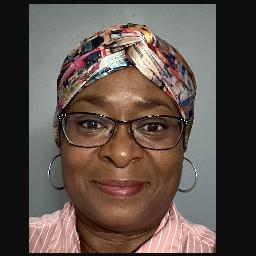
About Shelia
Dr. Shelia Williamson Collins is a licensed professional counselor with 18 years of experience. She is based in North Carolina and holds LPC and LCPC credentials.
She takes a direct, person-centered approach and listens first to understand each person's story. Her work focuses on practical skills and real conversations. She uses Client-Centered Therapy to create a respectful space where people can talk through what matters most.
Cognitive Behavioral Therapy helps identify unhelpful thoughts and develop clearer ways of coping.
Background and approach
Dialectical Behavior Therapy offers tools for managing intense emotions and improving relationships. She has a long history working in different behavioral health settings, including inpatient units and substance use treatment programs. That background informs how she helps people manage mood disorders, anxiety, addiction concerns, trauma, and stress.
She also supports those dealing with grief, parenting strain, intimacy and communication problems, and multicultural issues. Sessions are practical and goal-focused. Expect to work on concrete skills for managing anger, reducing cravings or relapse risk, handling life transitions, and building self-esteem.
She pays attention to the role of culture and identity in each person’s experience. People who choose her often want structured tools plus a compassionate listener. She collaborates on pacing and frequency, and supports people in deciding whether weekly sessions fit their needs.
The work is aimed at small, manageable changes that add up over time.
Approaches that guide online work
Client-Centered Therapy centers the person’s experience and emphasizes listening and respect. It helps people feel heard and choose goals that matter to them. Cognitive Behavioral Therapy focuses on identifying unhelpful thoughts and changing patterns of behavior, which can help with anxiety, depression, and many mood concerns. Dialectical Behavior Therapy teaches concrete skills for emotion regulation, distress tolerance, and improving communication in relationships.Deciding which approach or mix of approaches to use is a shared process. The therapist will talk with each person about needs, goals, and preferences, and together they will try methods that fit. It’s common to start with one way of working and adjust as progress is made.
Online sessions are offered by video call, phone, live chat, or text-based messaging to make therapy easier to fit into daily life. Video is useful for full conversations and visual cues, phone works well when bandwidth is limited, live chat and text-based messaging allow brief check-ins or flexible timing. These options help people keep continuity of care, fit sessions around work or caregiving, and use shorter or longer formats depending on what they need.
Questions people ask
What concerns does she address?
What is her counseling style like?
How much clinical experience does she have?
Where is she licensed and based?
Which languages are used in sessions?
What session formats are available?
How are fees and payments handled?
How do I begin working with her?
What this counselor works with
Also listed
- ADHD
- Anger management
- Bipolar disorder
- Caregiver issues and stress
- Communication problems
- Compassion fatigue
- Coping with life changes
- Depression
- Drug and alcohol addiction
- Eating disorders
- Family conflicts
- Grief
- Intimacy-related issues
- LGBT
- Mood disorders
- Multicultural concerns
- Parenting issues
- Post-traumatic stress
- Process addiction (porn, exercise, gambling)
- Relationship issues
- Self esteem
Therapeutic approaches
- Experience
- 18 years
- Licensed
- Illinois, North Carolina, Alaska
- Languages
- English