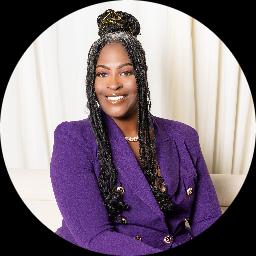
About Amargo
Amargo Crenshaw is a Licensed Professional Counselor with two decades of clinical experience based in Georgia. She focuses on helping people facing stress, anxiety, depression, trauma, addictions, and relationship and family concerns. Her approach is straightforward and practical, aimed at helping people make change in daily life.
Crenshaw blends several evidence-informed methods to tailor care to each person. She uses Cognitive Behavioral Therapy to identify unhelpful thoughts and try new behaviors.
Background and approach
Mindfulness techniques are offered to help calm the body and notice emotions without getting overwhelmed. Motivational Interviewing is used when someone is weighing change, especially around substance use or lifestyle goals. Solution-Focused Therapy helps set clear, short-term goals and build steps toward them.
Trauma-Focused Therapy is applied with care for people processing past harm or abuse. Sessions tend to be collaborative and goal-oriented. The therapist works with each person to choose strategies that fit their life and values.
Many people come for help with grief, parenting stress, intimacy issues, anger, self-esteem, career questions, or major life transitions. Crenshaw accepts English-speaking clients in Georgia and also works with international clients. She offers video calls, phone sessions, live chat, and text-based messaging.
To begin, a short matching questionnaire and scheduling step helps connect a person with the right path forward.
Approaches used in online sessions and what they do
Amargo Crenshaw commonly uses Cognitive Behavioral Therapy to help people notice unhelpful thinking patterns and test new behaviors that reduce distress. CBT works well for anxiety, depression, and many everyday problems by breaking big issues into smaller, manageable steps.She also offers Mindfulness Therapy to teach simple attention and breathing practices that reduce reactivity and help people stay present. This approach pairs well with work on trauma, stress, and emotion regulation. Motivational Interviewing is used when someone is weighing change; it focuses on clarifying personal reasons for change and building small, sustainable steps toward goals such as reducing substance use or improving routines.
Finding the right approach is part of the work together. The therapist will talk with each person about goals, preferences, and what has or hasn’t helped before. Then she will suggest one or more approaches and adjust them as progress is made, so treatment fits the person rather than the other way around.
Online therapy offers flexible ways to meet. Video calls allow face-to-face conversation and visual cues. Phone sessions can be a lighter option when bandwidth is limited. Live chat and text-based messaging suit quick check-ins, ongoing coaching, or people who prefer written communication. These options make it easier to fit sessions into busy lives and keep continuity during change.
Questions people ask
What concerns does this therapist focus on?
How would you describe the therapy style?
What is her professional background?
What credentials and location are listed?
Which languages and international work are supported?
What session formats are available?
How does payment or cost work?
How do I get started with therapy?
What this counselor works with
Most often
- Stress, Anxiety
- Addictions
- Relationship issues
Also listed
- Abandonment
- Anger management
- Attachment issues
- Bipolar disorder
- Blended family issues
- Body image
- Career difficulties
- Caregiver issues and stress
- Coaching
- Codependency
- Commitment issues
- Communication problems
- Control issues
- Coping with life changes
- Coping with natural or human-caused disaster
- Depression
- Divorce and separation
- Domestic violence
- Drug and alcohol addiction
- Family conflicts
- Family of origin issues
- Family problems
- Fatherhood issues
- Forgiveness
- Grief
- Guilt and shame
- Impulsivity
- Intimacy-related issues
- Isolation / loneliness
- Jealousy
- Life purpose
- Midlife crisis
- Money and financial issues
- Mood disorders
- Multicultural concerns
- Panic disorder and panic attacks
- Parenting issues
- Post-traumatic stress
- Pregnancy and childbirth
- Prejudice and discrimination
- Self esteem
- Self-love
- Sexual assault and abuse
- Trauma and abuse
- Women's issues
- Workplace issues
- Young adult issues
Therapeutic approaches
- Experience
- 20 years
- Licensed
- Georgia
- Languages
- English