
Ruth Vanden Bosch, LPC
Michigan · 25 yrs exp
Works with Stress, Anxiety / LGBT / Relationship +11
Works by Attachment-Based Therapy / Cognitive Behavioral Therapy (CBT)
View ProfileThe therapist listings are provided by BetterHelp and we will earn a commission if you use our link - at no cost to you.
This directory lists licensed professional counselors across the United States who identify life purpose as a focus area. Browse the profiles below to review LPC, LPCC, and LCPC counselors and compare their focus areas, approaches, languages, and experience.
Michigan · 25 yrs exp
Works with Stress, Anxiety / LGBT / Relationship +11
Works by Attachment-Based Therapy / Cognitive Behavioral Therapy (CBT)
View Profile
California · 14 yrs exp
Works with Stress, Anxiety / Relationship / Family +10
Works by Attachment-Based Therapy / Client-Centered Therapy
View Profile
Georgia · 19 yrs exp
Works with Stress, Anxiety / Relationship / Family +8
View Profile
Georgia · 10 yrs exp
Works with Stress, Anxiety / Grief / Self esteem +11
Works by Client-Centered Therapy / Cognitive Behavioral Therapy (CBT)
View Profile
Maine · 12 yrs exp
Works with Stress, Anxiety / Self esteem / Depression +17
Works by Client-Centered Therapy / Cognitive Behavioral Therapy (CBT)
View Profile
Mississippi · 16 yrs exp
Works with Stress, Anxiety / Relationship / Family +7
Works by Cognitive Behavioral Therapy (CBT) / Gottman Method
View Profile
Texas · 11 yrs exp
Works with Stress, Anxiety / Bipolar / Depression +3
Works by Client-Centered Therapy / Cognitive Behavioral Therapy (CBT)
View Profile
Colorado · 17 yrs exp
Works with Relationship / Trauma and abuse / Parenting +9
Works by Acceptance and Commitment Therapy (ACT) / Attachment-Based Therapy
View Profile
Louisiana · 7 yrs exp
Works with Stress, Anxiety / Family / Trauma and abuse +16
Works by Acceptance and Commitment Therapy (ACT) / Attachment-Based Therapy
View Profile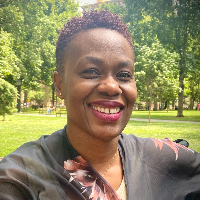
Oklahoma · 7 yrs exp
Works with Stress, Anxiety / Relationship / Grief +9
Works by Client-Centered Therapy / Cognitive Behavioral Therapy (CBT)
View Profile
Michigan · 5 yrs exp
Works with Stress, Anxiety / Relationship / Family +13
Works by Acceptance and Commitment Therapy (ACT) / Cognitive Behavioral Therapy (CBT)
View Profile
Pennsylvania · 12 yrs exp
Works with Stress, Anxiety / Relationship / Self esteem +12
Works by Client-Centered Therapy / Cognitive Behavioral Therapy (CBT)
View Profile
Arizona · 6 yrs exp
Works with Stress, Anxiety / Relationship / Family +12
Works by Client-Centered Therapy / Cognitive Behavioral Therapy (CBT)
View Profile
Texas · 22 yrs exp
Works with Stress, Anxiety / Grief / Career +10
Works by Client-Centered Therapy / Cognitive Behavioral Therapy (CBT)
View Profile
Louisiana · 10 yrs exp
Works with Stress, Anxiety / Relationship / Family +13
Works by Attachment-Based Therapy / Client-Centered Therapy
View Profile
New York · 9 yrs exp
Works with Stress, Anxiety / Anger / Self esteem +14
Works by Acceptance and Commitment Therapy (ACT) / Client-Centered Therapy
View Profile
Texas · 10 yrs exp
Works with Stress, Anxiety / Relationship / Family +15
Works by Acceptance and Commitment Therapy (ACT) / Attachment-Based Therapy
View Profile
Michigan · 45 yrs exp
Works with Stress, Anxiety / Addictions / Trauma and abuse +11
Works by Client-Centered Therapy / Cognitive Behavioral Therapy (CBT)
View Profile
Ohio · 18 yrs exp
Works with Stress, Anxiety / Trauma and abuse / Grief +12
Works by Acceptance and Commitment Therapy (ACT) / Client-Centered Therapy
View Profile
Ohio · 33 yrs exp
Works with Stress, Anxiety / Family / Trauma and abuse +13
Works by Client-Centered Therapy / Cognitive Behavioral Therapy (CBT)
View Profile
Illinois · 10 yrs exp
Works with Stress, Anxiety / LGBT / Relationship +11
Works by Client-Centered Therapy / Emotionally-Focused Therapy (EFT)
View Profile
Texas · 10 yrs exp
Works with Relationship / Family / Anger +13
Works by Client-Centered Therapy / Cognitive Behavioral Therapy (CBT)
View Profile
Missouri · 11 yrs exp
Works with Stress, Anxiety / Intimacy-related issues / Anger +8
Works by Cognitive Behavioral Therapy (CBT) / Solution-Focused Therapy
View Profile
Oklahoma · 30 yrs exp
Works with Stress, Anxiety / Grief / Intimacy-related issues +9
Works by Client-Centered Therapy / Cognitive Behavioral Therapy (CBT)
View Profile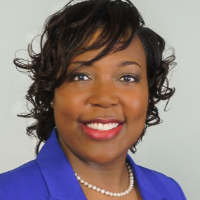
Florida · 10 yrs exp
Works with Relationship / Family / Self esteem +5
Works by Client-Centered Therapy / Cognitive Behavioral Therapy (CBT)
View Profile
Georgia · 14 yrs exp
Works with Stress, Anxiety / LGBT / Trauma and abuse +10
Works by Client-Centered Therapy / Cognitive Behavioral Therapy (CBT)
View Profile
Colorado · 11 yrs exp
Works with Stress, Anxiety / LGBT / Trauma and abuse +16
Works by Acceptance and Commitment Therapy (ACT) / Client-Centered Therapy
View Profile
North Carolina · 20 yrs exp
Works with Stress, Anxiety / Relationship / Family +10
View Profile
Florida · 30 yrs exp
Works with Stress, Anxiety / Relationship / Trauma and abuse +15
Works by Acceptance and Commitment Therapy (ACT) / Client-Centered Therapy
View Profile
Texas · 8 yrs exp
Works with Stress, Anxiety / Grief / Self esteem +12
Works by Cognitive Behavioral Therapy (CBT) / Solution-Focused Therapy
View Profile
Wisconsin · 26 yrs exp
Works with Stress, Anxiety / Self esteem / Career +12
Works by Acceptance and Commitment Therapy (ACT) / Attachment-Based Therapy
View Profile
Missouri · 14 yrs exp
Works with Stress, Anxiety / Self esteem / Career +14
Works by Acceptance and Commitment Therapy (ACT) / Attachment-Based Therapy
View Profile
Texas · 22 yrs exp
Works with Stress, Anxiety / Relationship / Trauma and abuse +17
Works by Acceptance and Commitment Therapy (ACT) / Attachment-Based Therapy
View Profile
Montana · 16 yrs exp
Works with Stress, Anxiety / Relationship / Self esteem +12
Works by Client-Centered Therapy / Cognitive Behavioral Therapy (CBT)
View Profile
Pennsylvania · 10 yrs exp
Works with Stress, Anxiety / Relationship / Grief +9
Works by Cognitive Behavioral Therapy (CBT) / Dialectical Behavior Therapy (DBT)
View Profile
Georgia · 19 yrs exp
Works with Stress, Anxiety / Addictions / Trauma and abuse +12
View Profile
Texas · 25 yrs exp
Works with Stress, Anxiety / Family / Intimacy-related issues +16
Works by Attachment-Based Therapy / Client-Centered Therapy
View Profile
Texas · 10 yrs exp · 2 languages
Works with Stress, Anxiety / Relationship / Anger +17
Works by Cognitive Behavioral Therapy (CBT) / Solution-Focused Therapy
View Profile
Missouri · 20 yrs exp
Works with Stress, Anxiety / Addictions / Trauma and abuse +15
Works by Client-Centered Therapy / Cognitive Behavioral Therapy (CBT)
View Profile
New Jersey · 20 yrs exp
Works with Stress, Anxiety / Addictions / Parenting +8
Works by Client-Centered Therapy / Cognitive Behavioral Therapy (CBT)
View Profile
Texas · 23 yrs exp
Works with Stress, Anxiety / Relationship / Self esteem +12
Works by Client-Centered Therapy / Cognitive Behavioral Therapy (CBT)
View Profile
Louisiana · 16 yrs exp
Works with Stress, Anxiety / Self esteem / Depression +5
Works by Acceptance and Commitment Therapy (ACT) / Mindfulness Therapy
View Profile
Georgia · 17 yrs exp
Works with Relationship / Family / Trauma and abuse +14
Works by Acceptance and Commitment Therapy (ACT) / Attachment-Based Therapy
View Profile
Wisconsin · 11 yrs exp
Works with Stress, Anxiety / Relationship / Family +7
Works by Client-Centered Therapy / Cognitive Behavioral Therapy (CBT)
View Profile
Georgia · 3 yrs exp
Works with Stress, Anxiety / Relationship / Family +7
Works by Cognitive Behavioral Therapy (CBT)
View Profile
Virginia · 13 yrs exp
Works with Stress, Anxiety / Anger / Self esteem +10
Works by Acceptance and Commitment Therapy (ACT) / Client-Centered Therapy
View Profile
Louisiana · 5 yrs exp
Works with Stress, Anxiety / Addictions / Depression +5
Works by Client-Centered Therapy / Mindfulness Therapy
View Profile
Louisiana · 16 yrs exp
Works with Stress, Anxiety / Relationship / Career +15
Works by Client-Centered Therapy / Cognitive Behavioral Therapy (CBT)
View ProfileLife purpose is a broad term people use to describe a sense of direction, meaning, or motivation that shapes choices and daily priorities. For some, purpose ties closely to career and vocation; for others it comes from relationships, creative projects, spiritual beliefs, community involvement, or a commitment to personal growth. When you feel aligned with a sense of purpose, daily tasks can feel more meaningful and resilient responses to setbacks are easier to find. When purpose is unclear or in flux, you may experience confusion, loss of motivation, or persistent questioning about long-term choices.
Seeking clarity about life purpose does not require a diagnosis or crisis. Licensed professional counselors are trained to work from a wellness and developmental orientation, asking how you are functioning and what you want to work toward. This emphasis on strengths and goals can be particularly helpful when you want to explore values, examine life transitions, or redesign routines so they reflect what matters most to you. Because licensure and scope are governed by state boards, counselors who hold an LPC, LPCC, or LCPC have completed comparable graduate training and supervised clinical experience, though state naming and exact requirements vary.
You might consider counseling for life purpose when you notice persistent feelings that your life lacks direction, or when major events - such as graduation, career change, relationship transitions, or retirement - prompt deeper questions about what comes next. Difficulty sustaining motivation, recurring doubts about long-term choices, or a sense that your daily life does not reflect your values are common reasons people seek help. You may also notice anxiety or low mood tied to existential questions, or you may feel stuck after achieving a milestone and unsure how to find the next meaningful goal.
Sometimes changes in external circumstances reveal an internal mismatch - for example, a promotion that brings responsibility but not satisfaction, or caregiving duties that limit time for personal projects. In other cases, your values may shift over time and you need support translating those shifts into practical changes. If you are wrestling with how to reframe setbacks or how to build routines that reflect your priorities, counseling can provide a structured space to explore these questions and to develop steps you can take between sessions.
When you begin work focused on life purpose with a counselor who holds an LPC, LPCC, or LCPC, the early sessions will often emphasize understanding your current functioning and priorities. Your counselor will ask about your background, what matters to you now, and the specific areas where you feel uncertain. Together you will clarify goals that are practical and meaningful, and you will agree on how to measure progress in ways that fit your life.
Early meetings typically involve exploration rather than immediate problem solving. You can expect to reflect on values, past choices, and patterns that influence how you allocate your time and energy. From there you and your counselor will set goals that may be broad - such as developing a clearer sense of purpose - or concrete - such as experimenting with new activities or restructuring a workweek to allow time for creative work. Goals are revisited and adjusted as you learn more about what resonates.
As you progress, sessions often alternate between reflective work and practical planning. You might explore limiting beliefs that interfere with purposeful action, practice ways to make values-based decisions, and develop small experiments that help you test new directions without making irreversible changes. Counselors emphasize skill-building and self-reflection so that you can continue to apply what you learn after counseling ends.
Counselors who list certain approaches among their methods may combine them to suit your needs. Approaches with a strong fit for life purpose exploration often emphasize meaning-making, narrative, values clarification, strengths, and practical planning. Existentially oriented work focuses directly on meaning, choice, and responsibility, helping you examine how you want to live in the face of life's limits. Narrative approaches invite you to examine and re-author the stories you tell about yourself so that your identity supports more purposeful action.
When purpose questions are closely tied to work, counselors may use vocational assessment and career counseling ideas to map interests, skills, and values onto realistic options. This often includes exploring transferable skills, creating small steps toward new roles, and considering how work fits within a broader life design, rather than treating career choices as isolated decisions.
Strengths-based approaches encourage you to identify existing capacities and apply them to new goals. Mindfulness-informed practices can help you notice what matters during moments of choice and reduce reactivity that obscures values. Therapists may also incorporate goal-setting frameworks and behavioral experiments to translate insight into action. The directory records that each listed counselor holds a relevant license and may list approaches they mention on their profile, but listing an approach does not certify specific training in it.
Online work for life purpose uses much of the same structure as in-person sessions, but delivered through video, phone, or text-based communication. You can use remote sessions to reflect and plan, to receive coaching-style support between appointments, and to try behavioral experiments with the convenience of meeting from a location that fits your schedule. State licensing rules determine where a counselor may practice, so you will often see counselors list the state where they are licensed. Keep in mind that licensure in the directory indicates that a counselor holds one of the recognized credentials for professional counselors in the United States - LPC, LPCC, or LCPC - and that state boards set the requirements for education, supervised practice, and examination.
The same role can appear under different titles in different states. The credential is commonly called LPC in many states. Some states use LPCC - for example Ohio, California, Kentucky, and Minnesota - and some use LCPC - for example Illinois, Maryland, and Montana. In some jurisdictions LPC and LPCC coexist as distinct stages of licensure, with the clinical title involving additional supervised practice; where that distinction matters it is a function of state naming rather than a ranking of therapists. The core requirements typically include a master’s degree in counseling, a period of supervised postgraduate clinical experience commonly running two to three years and several thousand hours, and a national examination, with licensing and renewal managed by a state board.
Start by reading profiles to learn how each counselor describes their focus areas, approaches, languages, and relevant experience. Look for counselors who explicitly mention life purpose, meaning, vocational exploration, or life transitions if those terms fit your concerns. Note the license listed - LPC, LPCC, or LCPC - and the state associated with it so you understand the counselor’s regulatory context. Pay attention to descriptions of the counselor’s typical session structure and examples of the kinds of goals they help people pursue. If a counselor’s profile lists approaches you recognize, remember the listing indicates what they identify as approaches, not verified training. You may prefer someone who highlights strengths-based work if you want a forward-looking plan, or someone who references existential and narrative themes if meaning-making is central.
When you reach out to a counselor, it is reasonable to ask about the focus of their life-purpose work, how they commonly structure sessions, and what kinds of follow-up or homework they suggest. You can also consider practical match factors such as session length, communication style, cultural competence, and languages spoken. Comparing these elements will help you find a counselor whose methods and experience align with what you hope to accomplish.
Exploring life purpose is often a gradual process that blends personal reflection with practical experimentation. Counseling with a licensed professional counselor can provide structure and neutral feedback as you refine goals and design steps that fit your life. Use the directory to review profiles, learn which counselors identify life purpose as a focus, and compare credentials, focus areas, approaches, languages, and experience. That information can help you determine which counselor’s description best matches the kind of work you want to do, whether your goals emphasize career, creativity, relationships, or broader meaning.
Remember that licensure indicates completion of graduate training and supervised clinical experience under state board standards, and that state titles vary. Approaching your search with clear priorities about the kind of support you want will make it easier to find a counselor who can help you clarify what purpose means for you and take steps toward a more value-aligned life.
Alabama
238 therapists
Alaska
20 therapists
Arizona
196 therapists
Arkansas
116 therapists
California
174 therapists
Colorado
346 therapists
Connecticut
79 therapists
Delaware
4 therapists
District of Columbia
26 therapists
Florida
152 therapists
Georgia
623 therapists
Hawaii
5 therapists
Idaho
90 therapists
Illinois
383 therapists
Indiana
22 therapists
Iowa
11 therapists
Kansas
41 therapists
Kentucky
128 therapists
Louisiana
310 therapists
Maine
42 therapists
Maryland
174 therapists
Massachusetts
5 therapists
Michigan
318 therapists
Minnesota
117 therapists
Mississippi
151 therapists
Missouri
388 therapists
Montana
78 therapists
Nebraska
12 therapists
Nevada
36 therapists
New Hampshire
7 therapists
New Jersey
261 therapists
New Mexico
61 therapists
New York
32 therapists
North Carolina
89 therapists
North Dakota
12 therapists
Ohio
281 therapists
Oklahoma
278 therapists
Oregon
89 therapists
Pennsylvania
523 therapists
Rhode Island
4 therapists
South Carolina
281 therapists
South Dakota
28 therapists
Tennessee
143 therapists
Texas
1899 therapists
Utah
19 therapists
Vermont
8 therapists
Virginia
287 therapists
Washington
19 therapists
West Virginia
46 therapists
Wisconsin
210 therapists
Wyoming
45 therapists