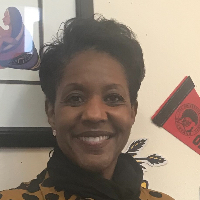
About Surnedra
Surnedra "Nedra" Simmons uses practical, goal-focused therapy to help people move forward. She is a Licensed Professional Counselor, LPC, based in Texas with eight years of counseling experience. Nedra writes and speaks plainly, so conversations are direct and focused on steps you can take.
If you want clear goals and straightforward support, she centers sessions on what will help you next. Nedra trained in school and professional counseling and has worked with high school students and adults.
Background and approach
That background informs her understanding of life transitions, motivation, and common stressors for young people and adults. She has experience addressing anxiety, depression, grief, addictions, and trauma-related concerns. Her approach leans on Cognitive Behavioral Therapy and Solution-Focused Therapy.
That means sessions often look at current thoughts and behaviors, and then build small experiments or plans to change them. She and the client set short-term goals and check progress together. Nedra emphasizes a collaborative, nonjudgmental atmosphere.
People can talk about painful things and also get practical steps to try between sessions. She aims to help clients find clearer motivation, better sleep patterns, improved coping, and more confidence in daily life. Beyond common concerns, Nedra also focuses on issues such as ADHD, multicultural stress, first responder strain, hoarding, and the effects of discrimination.
Her work combines direct talk, goal setting, and concrete actions to make change feel manageable.
How CBT and Solution-Focused Work Online
CBT, or Cognitive Behavioral Therapy, looks at how thoughts, feelings, and actions link together. In online sessions this often means identifying unhelpful thoughts and testing new behaviors between meetings to reduce anxiety or improve mood. Solution-Focused Therapy zeroes in on the changes you want to see and builds practical steps toward those goals, usually with short-term, action-oriented plans.Deciding which approach to use is a collaborative process. The therapist will ask about your goals, preferences, and what has or hasn’t worked before. Together you’ll try methods and adjust them until they fit your needs and pace.
Online therapy with video calls, phone sessions, live chat, or text-based messaging offers flexibility. Video suits deeper conversations when seeing expressions helps. Phone sessions work well when bandwidth is low or a check-in fits a break at work. Live chat and text let you send short updates or work through small steps between longer sessions. These options make it easier to fit therapy into a busy life while keeping the focus on practical change and measurable progress.
Questions people ask
What kinds of problems does she help with?
What is her therapeutic style like?
What experience does she bring?
What credentials and location are listed?
Which languages are supported and can she work with people abroad?
How are sessions conducted?
How much do sessions cost?
How do I begin working with her?
What this counselor works with
Most often
Also listed
- Addictions
- ADHD
- Anger management
- Autism and Asperger Syndrome
- Career difficulties
- Coping with life changes
- Coping with natural or human-caused disaster
- Depression
- Family conflicts
- First responder issues
- Hoarding
- LGBT
- Life purpose
- Multicultural concerns
- Panic disorder and panic attacks
- Parenting issues
- Prejudice and discrimination
- Relationship issues
- Sleeping disorders
- Social anxiety and phobia
- Trauma and abuse
- Young adult issues
Therapeutic approaches
- Experience
- 8 years
- Licensed
- Texas
- Languages
- English