
Henry "Jay" Swedlaw, LPCC, LCMHC
Texas · 20 yrs exp
Works with Stress, Anxiety / LGBT / Relationship +17
Works by Acceptance and Commitment Therapy (ACT) / Cognitive Behavioral Therapy (CBT)
View ProfileThe therapist listings are provided by BetterHelp and we will earn a commission if you use our link - at no cost to you.
Browse licensed professional counselors who focus on young adult issues across the United States. Use the listings below to learn about counselors' focus areas, approaches, credentials, languages, and professional backgrounds.
Texas · 20 yrs exp
Works with Stress, Anxiety / LGBT / Relationship +17
Works by Acceptance and Commitment Therapy (ACT) / Cognitive Behavioral Therapy (CBT)
View Profile
Michigan · 25 yrs exp
Works with Stress, Anxiety / LGBT / Relationship +11
Works by Attachment-Based Therapy / Cognitive Behavioral Therapy (CBT)
View Profile
California · 14 yrs exp
Works with Stress, Anxiety / Relationship / Family +10
Works by Attachment-Based Therapy / Client-Centered Therapy
View Profile
Georgia · 10 yrs exp
Works with Stress, Anxiety / Grief / Self esteem +11
Works by Client-Centered Therapy / Cognitive Behavioral Therapy (CBT)
View Profile
Maine · 12 yrs exp
Works with Stress, Anxiety / Self esteem / Depression +17
Works by Client-Centered Therapy / Cognitive Behavioral Therapy (CBT)
View Profile
Louisiana · 7 yrs exp
Works with Stress, Anxiety / Family / Trauma and abuse +16
Works by Acceptance and Commitment Therapy (ACT) / Attachment-Based Therapy
View Profile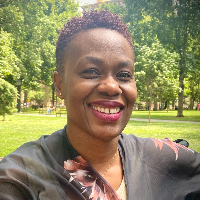
Oklahoma · 7 yrs exp
Works with Stress, Anxiety / Relationship / Grief +9
Works by Client-Centered Therapy / Cognitive Behavioral Therapy (CBT)
View Profile
Maryland · 6 yrs exp
Works with Stress, Anxiety / Trauma and abuse / Self esteem +11
Works by Attachment-Based Therapy / Client-Centered Therapy
View Profile
Maryland · 10 yrs exp
Works with Stress, Anxiety / Relationship / Family +13
Works by Client-Centered Therapy / Cognitive Behavioral Therapy (CBT)
View Profile
Michigan · 5 yrs exp
Works with Stress, Anxiety / Relationship / Family +13
Works by Acceptance and Commitment Therapy (ACT) / Cognitive Behavioral Therapy (CBT)
View Profile
Pennsylvania · 12 yrs exp
Works with Stress, Anxiety / Relationship / Self esteem +12
Works by Client-Centered Therapy / Cognitive Behavioral Therapy (CBT)
View Profile
Arizona · 6 yrs exp
Works with Stress, Anxiety / Relationship / Family +12
Works by Client-Centered Therapy / Cognitive Behavioral Therapy (CBT)
View Profile
Texas · 22 yrs exp
Works with Stress, Anxiety / Grief / Career +10
Works by Client-Centered Therapy / Cognitive Behavioral Therapy (CBT)
View Profile
Missouri · 7 yrs exp
Works with Stress, Anxiety / Addictions / Relationship +14
Works by Client-Centered Therapy / Cognitive Behavioral Therapy (CBT)
View Profile
Louisiana · 10 yrs exp
Works with Stress, Anxiety / Relationship / Family +13
Works by Attachment-Based Therapy / Client-Centered Therapy
View Profile
Texas · 10 yrs exp
Works with Stress, Anxiety / Relationship / Family +15
Works by Acceptance and Commitment Therapy (ACT) / Attachment-Based Therapy
View Profile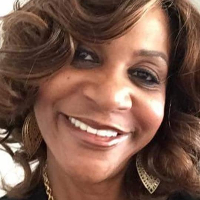
Ohio · 18 yrs exp
Works with Stress, Anxiety / Trauma and abuse / Grief +12
Works by Acceptance and Commitment Therapy (ACT) / Client-Centered Therapy
View Profile
Illinois · 10 yrs exp
Works with Stress, Anxiety / LGBT / Relationship +11
Works by Client-Centered Therapy / Emotionally-Focused Therapy (EFT)
View Profile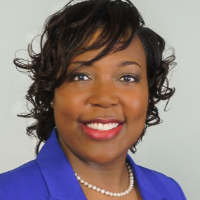
Florida · 10 yrs exp
Works with Relationship / Family / Self esteem +5
Works by Client-Centered Therapy / Cognitive Behavioral Therapy (CBT)
View Profile
Georgia · 14 yrs exp
Works with Stress, Anxiety / LGBT / Trauma and abuse +10
Works by Client-Centered Therapy / Cognitive Behavioral Therapy (CBT)
View Profile
Louisiana · 22 yrs exp
Works with Stress, Anxiety / Relationship / Family +12
Works by Client-Centered Therapy / Cognitive Behavioral Therapy (CBT)
View Profile
Colorado · 11 yrs exp
Works with Stress, Anxiety / LGBT / Trauma and abuse +16
Works by Acceptance and Commitment Therapy (ACT) / Client-Centered Therapy
View Profile
Michigan · 15 yrs exp
Works with Stress, Anxiety / Anger / Self esteem +11
Works by Client-Centered Therapy / Cognitive Behavioral Therapy (CBT)
View Profile
Florida · 30 yrs exp
Works with Stress, Anxiety / Relationship / Trauma and abuse +15
Works by Acceptance and Commitment Therapy (ACT) / Client-Centered Therapy
View Profile
Texas · 8 yrs exp
Works with Stress, Anxiety / Grief / Self esteem +12
Works by Cognitive Behavioral Therapy (CBT) / Solution-Focused Therapy
View Profile
Texas · 22 yrs exp
Works with Stress, Anxiety / Relationship / Trauma and abuse +17
Works by Acceptance and Commitment Therapy (ACT) / Attachment-Based Therapy
View Profile
Texas · 25 yrs exp
Works with Stress, Anxiety / Family / Intimacy-related issues +16
Works by Attachment-Based Therapy / Client-Centered Therapy
View Profile
Texas · 10 yrs exp · 2 languages
Works with Stress, Anxiety / Relationship / Anger +17
Works by Cognitive Behavioral Therapy (CBT) / Solution-Focused Therapy
View Profile
Texas · 23 yrs exp
Works with Stress, Anxiety / Relationship / Self esteem +12
Works by Client-Centered Therapy / Cognitive Behavioral Therapy (CBT)
View Profile
Mississippi · 25 yrs exp
Works with Stress, Anxiety / Relationship / Family +16
Works by Acceptance and Commitment Therapy (ACT) / Client-Centered Therapy
View Profile
Georgia · 17 yrs exp
Works with Relationship / Family / Trauma and abuse +14
Works by Acceptance and Commitment Therapy (ACT) / Attachment-Based Therapy
View Profile
Wisconsin · 11 yrs exp
Works with Stress, Anxiety / Relationship / Family +7
Works by Client-Centered Therapy / Cognitive Behavioral Therapy (CBT)
View Profile
Georgia · 3 yrs exp
Works with Stress, Anxiety / Relationship / Family +7
Works by Cognitive Behavioral Therapy (CBT)
View Profile
Virginia · 13 yrs exp
Works with Stress, Anxiety / Anger / Self esteem +10
Works by Acceptance and Commitment Therapy (ACT) / Client-Centered Therapy
View Profile
Louisiana · 5 yrs exp
Works with Stress, Anxiety / Addictions / Depression +5
Works by Client-Centered Therapy / Mindfulness Therapy
View Profile
Louisiana · 16 yrs exp
Works with Stress, Anxiety / Relationship / Career +15
Works by Client-Centered Therapy / Cognitive Behavioral Therapy (CBT)
View Profile
Connecticut · 9 yrs exp
Works with Stress, Anxiety / Self esteem / Depression +5
Works by Acceptance and Commitment Therapy (ACT) / Client-Centered Therapy
View Profile
Oregon · 15 yrs exp
Works with Stress, Anxiety / Addictions / Relationship +13
Works by Client-Centered Therapy / Cognitive Behavioral Therapy (CBT)
View Profile
Illinois · 12 yrs exp
Works with Trauma and abuse / Self esteem / Coping with life changes +9
Works by Acceptance and Commitment Therapy (ACT) / Attachment-Based Therapy
View Profile
Oklahoma · 13 yrs exp
Works with Stress, Anxiety / Relationship / Grief +8
Works by Client-Centered Therapy / Cognitive Behavioral Therapy (CBT)
View Profile
Texas · 4 yrs exp
Works with Stress, Anxiety / Trauma and abuse / Parenting +14
Works by Client-Centered Therapy / Cognitive Behavioral Therapy (CBT)
View Profile
Louisiana · 28 yrs exp
Works with Stress, Anxiety / Relationship / Grief +16
Works by Acceptance and Commitment Therapy (ACT) / Attachment-Based Therapy
View Profile
Illinois · 38 yrs exp
Works with Stress, Anxiety / Self esteem / Depression +10
Works by Client-Centered Therapy / Cognitive Behavioral Therapy (CBT)
View Profile
Kansas · 17 yrs exp
Works with Stress, Anxiety / Relationship / Family +11
Works by Attachment-Based Therapy / Client-Centered Therapy
View Profile
Pennsylvania · 13 yrs exp
Works with Stress, Anxiety / Trauma and abuse / Grief +13
Works by Acceptance and Commitment Therapy (ACT) / Client-Centered Therapy
View Profile
Michigan · 13 yrs exp
Works with Trauma and abuse / Intimacy-related issues / ADHD +2
Works by Cognitive Behavioral Therapy (CBT)
View Profile
Texas · 11 yrs exp · 2 languages
Works with Stress, Anxiety / Anger / Self esteem +9
Works by Acceptance and Commitment Therapy (ACT) / Client-Centered Therapy
View Profile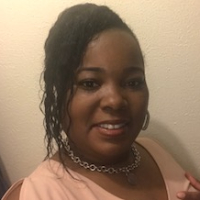
Louisiana · 10 yrs exp
Works with Stress, Anxiety / Trauma and abuse / Anger +9
Works by Client-Centered Therapy / Cognitive Behavioral Therapy (CBT)
View ProfileYoung adulthood is a transitional stage that often brings major life changes - leaving home, starting college or a first job, forming long-term relationships, and making choices about identity and career. These changes can be exciting and stressful at the same time. When those struggles begin to interfere with daily functioning, relationships, or your sense of purpose, you may experience what is commonly described as young adult issues. These concerns often include anxiety about the future, difficulty with identity or role transitions, relationship and intimacy challenges, struggles with work or school performance, and the ongoing task of developing emotional independence from family.
Counselors who hold state licenses - whether they are called LPC, LPCC, or LCPC where you live - are trained to work from a wellness and developmental orientation. That means the focus is on how you are functioning now and what you want to work toward, rather than starting from a medical label alone. Because requirements and titles for this license vary by state, it helps to know that LCPC in Illinois or LPCC in Ohio refers to the same professional licensure family as LPC in many other states. In some states the naming reflects the regulatory structure rather than a difference in capability - in others both titles can exist at different stages of licensure. The directory lists only counselors who hold one of these state licenses, so the professionals you read about have completed the educational and licensing steps associated with this credential.
Deciding to seek help often starts when day-to-day coping becomes harder than it used to be. You might notice increased worry that prevents you from sleeping or concentrating, persistent low mood or loss of interest in activities you used to enjoy, patterns of conflict in romantic or family relationships, or difficulty making decisions about school or career. Other signs include repeated avoidance of social situations, trouble managing emotions like anger or shame, or reliance on substances to get through stress. Sometimes the signal is a series of small problems that pile up - multiple disappointments at work, disrupted friendships, or ongoing academic concerns - and you feel stuck in the same patterns.
If you are questioning identity, exploring gender or sexual orientation, navigating cultural expectations, or managing the impact of past trauma while trying to move forward, these are also common topics people bring to counselors who hold an LPC, LPCC, or LCPC. You do not need a formal diagnosis to work with a licensed professional counselor. The training for this licensure emphasizes developmental strengths and practical skills, which many young adults find helpful when the goal is to build resilience, clarify values, and move toward chosen life directions.
When you begin meeting with a counselor who holds one of these licenses, the first few sessions are often oriented toward getting to know your concerns, your history, and your goals. You can expect questions about what led you to seek counseling, what you hope will be different, and which areas of life - relationships, work, family, identity - feel most pressing. Counselors who hold state licensure are required to practice under the rules set by their state board, and most will explain their role, the limits of their work, and how they approach information-sharing boundaries during the initial conversations.
Sessions typically involve collaborative goal-setting and the use of practical strategies to address the issues you identify. A counselor might help you develop stress management skills, improve communication and boundary-setting, navigate transitions such as moving out or starting a career, or practice decision-making that aligns with your values. Progress is often reviewed periodically, and you can expect the pace and focus to adjust as your situation changes. Because counselor training centers on functioning and growth, many licensed counselors emphasize building strengths and skills that you can carry forward beyond the therapy setting.
Counselors who hold an LPC, LPCC, or LCPC may list a variety of therapeutic approaches among the methods they use with young adults. These can include approaches that focus on thought and behavior, approaches that explore emotions and relationships, and methods that emphasize present-moment skills for coping. When a counselor's profile mentions specific approaches, it indicates that they use those frameworks with clients, but the directory does not verify formal certifications or training in particular modalities. That distinction is important to keep in mind when you review profiles.
For many young adults, approaches that combine skill-building with exploration of values and identity are appealing. Some counselors emphasize cognitive-behavioral strategies to address anxiety and mood, while others focus on interpersonal patterns that affect relationships and work functioning. Mindfulness-based techniques and acceptance-oriented strategies are often used to help you tolerate difficult feelings while pursuing meaningful goals. Relationship-focused work can help with romantic partnerships and family dynamics as you gain greater independence. Because each counselor's background and selection of approaches differ, reading profile descriptions can help you identify practitioners whose stated methods and focus areas align with what you want to address.
Online counseling with a licensed professional counselor allows you to meet with a counselor by video, phone, or messaging rather than in person. For many young adults, online sessions can be a practical option when schedules, transportation, or geographic distance make in-person meetings difficult. If you choose online counseling, expect an initial intake conversation similar to an in-person first session, during which you and the counselor discuss goals, session logistics, communication methods, and the counselor's licensure and scope of practice.
Because the license is issued at the state level, counselors who hold an LPC, LPCC, or LCPC must follow the rules of their licensing board, including practice location and recordkeeping. That matters for online work because state rules can determine whether a counselor can legally provide services across state lines. When you read a counselor's profile, you will find information about the state licensure listed. If you value the convenience of remote sessions, consider whether the counselor notes remote practice and how they describe working with young adults in virtual settings. Online counseling can support continuity of care during life transitions such as college moves, early career changes, or temporary relocation, and many young adults find remote sessions a good match for their daily routines.
Choosing a counselor is a personal decision that depends on what matters most to you. Start by considering the issues you want to address and look for counselors who list those focus areas in their profiles. Pay attention to the professional license listed - LPC, LPCC, or LCPC - and the state board that issued it. If you live in a state where the name differs from what you expect, remember that LCPC or LPCC represents the same licensure family under that state's naming rules, although in some states both titles may appear as part of a tiered licensure system. The directory highlights these licenses so you can find counselors who meet the educational and supervised-experience benchmarks associated with them.
Also consider the counselor's stated approaches and the populations they list, such as experience working with transitions, identity exploration, or relationship concerns. Languages spoken and professional experience are useful contextual details when you are trying to assess fit. While profile information cannot guarantee a match, it helps you narrow options based on what you value. When you are comparing profiles, notice how counselors describe their goals for clients, their communication style, and the kinds of tools they use. Those descriptions can give you a sense of whether the counselor's way of working fits your preferences.
Finally, keep practical factors in mind that matter to your comfort and engagement. Think about whether you prefer in-person meetings or online sessions, whether you want shorter-term, skill-focused work or ongoing support for broader life transitions, and whether cultural background or language ability is important for rapport. Taking time to read several profiles and noting which counselors align with your needs can make it easier to reach out and begin a conversation about whether a particular licensed professional counselor is the right match for this stage in your life.
Alabama
238 therapists
Alaska
20 therapists
Arizona
196 therapists
Arkansas
116 therapists
California
174 therapists
Colorado
346 therapists
Connecticut
79 therapists
Delaware
4 therapists
District of Columbia
26 therapists
Florida
152 therapists
Georgia
623 therapists
Hawaii
5 therapists
Idaho
90 therapists
Illinois
383 therapists
Indiana
22 therapists
Iowa
11 therapists
Kansas
41 therapists
Kentucky
128 therapists
Louisiana
310 therapists
Maine
42 therapists
Maryland
174 therapists
Massachusetts
5 therapists
Michigan
318 therapists
Minnesota
117 therapists
Mississippi
151 therapists
Missouri
388 therapists
Montana
78 therapists
Nebraska
12 therapists
Nevada
36 therapists
New Hampshire
7 therapists
New Jersey
261 therapists
New Mexico
61 therapists
New York
32 therapists
North Carolina
89 therapists
North Dakota
12 therapists
Ohio
281 therapists
Oklahoma
278 therapists
Oregon
89 therapists
Pennsylvania
523 therapists
Rhode Island
4 therapists
South Carolina
281 therapists
South Dakota
28 therapists
Tennessee
143 therapists
Texas
1899 therapists
Utah
19 therapists
Vermont
8 therapists
Virginia
287 therapists
Washington
19 therapists
West Virginia
46 therapists
Wisconsin
210 therapists
Wyoming
45 therapists