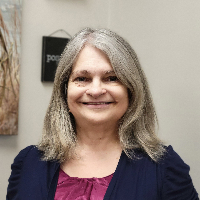
About Elizabeth
Elizabeth Eugea offers support for people facing stress, anxiety, low self-esteem, depression, grief, parenting strain, career concerns, ADHD, trauma and abuse, and the pressures of life changes. She helps with anger, relationship struggles, compassion fatigue, and issues tied to family background and caregiving. Elizabeth brings calm presence and practical tools to sessions.
Elizabeth is a Licensed Clinical Professional Counselor (LCPC) practicing in Illinois with 38 years of experience. She uses straightforward skills training alongside talking therapy.
Background and approach
Many clients learn concrete ways to manage symptoms, reduce overwhelm, and handle conflict more clearly. Her approach blends client-centered care with cognitive behavioral strategies and dialectical behavior ideas. She also draws on mindfulness techniques and motivational interviewing to help people build motivation and manage difficult emotions.
Sessions often include skill practice and step-by-step problem solving. Elizabeth often supports people dealing with abandonment wounds, blended family challenges, caregiver stress, codependency, and family of origin issues. She has long experience with domestic violence survivors, first responders, and those navigating divorce or separation.
Her work includes attention to guilt, shame, and forgiveness. In therapy she aims to create an encouraging, nonjudgmental space and to teach life skills clients can use outside sessions. The focus is practical growth: clearer communication, better coping, and tools for everyday situations.
Elizabeth helps people identify what matters to them and plan small, manageable steps toward change.
How therapeutic approaches shape online care
Client-centered therapy focuses on what matters to the person and creates space for them to set the pace and goals; it helps when someone needs a listening, nonjudgmental partner to sort feelings and decide next steps.Cognitive Behavioral Therapy (CBT) teaches skills to change unhelpful thought patterns and behaviors, which can reduce anxiety and depressive symptoms through practical exercises and homework.
Dialectical Behavior Therapy (DBT) emphasizes emotion regulation, distress tolerance, and clearer communication, useful for strong emotions, relationship conflicts, and impulsive reactions.
Deciding which method to use is a joint process. The therapist will talk with the client about goals, try approaches that fit, and adjust as needed. That collaborative process helps find what actually works for each person.
Online therapy offers flexible ways to engage. Video calls are useful for full conversations and face-to-face interaction. Phone sessions can be an easier option when bandwidth is limited or a quicker check-in is needed. Live chat and text-based messaging make it possible to get shorter updates or to communicate between sessions. These formats help people fit therapy into busy schedules and different routines.
Questions people ask
What concerns does she help with?
What is her general therapy style?
How much experience does she have?
What credentials and location apply?
Which languages are supported?
What session formats are available?
How are costs handled?
How do I begin therapy?
What this counselor works with
Most often
Also listed
- Abandonment
- ADHD
- Anger management
- Blended family issues
- Cancer
- Career difficulties
- Caregiver issues and stress
- Codependency
- Communication problems
- Compassion fatigue
- Coping with life changes
- Divorce and separation
- Domestic violence
- Emptiness
- Family conflicts
- Family of origin issues
- Family problems
- Fatherhood issues
- First responder issues
- Forgiveness
- Grief
- Guilt and shame
- Impulsivity
- Infidelity
- Isolation / loneliness
- Jealousy
- Life purpose
- Midlife crisis
- Money and financial issues
- Mood disorders
- Multicultural concerns
- Panic disorder and panic attacks
- Parenting issues
- Postpartum depression
- Prejudice and discrimination
- Relationship issues
- Seasonal Affective Disorder (SAD)
- Self-love
- Trauma and abuse
- Veteran and Armed Forces Issues
- Women's issues
- Workplace issues
- Young adult issues
Therapeutic approaches
- Experience
- 38 years
- Licensed
- Illinois
- Languages
- English