
Ruth Vanden Bosch, LPC
Michigan · 25 yrs exp
Works with Stress, Anxiety / LGBT / Relationship +11
Works by Attachment-Based Therapy / Cognitive Behavioral Therapy (CBT)
View ProfileThe therapist listings are provided by BetterHelp and we will earn a commission if you use our link - at no cost to you.
This directory page lists licensed professional counselors who work with isolation and loneliness. Browse the profiles below to review credentials, areas of focus, therapeutic approaches, languages and experience as you decide who might fit your needs.
Michigan · 25 yrs exp
Works with Stress, Anxiety / LGBT / Relationship +11
Works by Attachment-Based Therapy / Cognitive Behavioral Therapy (CBT)
View Profile
California · 14 yrs exp
Works with Stress, Anxiety / Relationship / Family +10
Works by Attachment-Based Therapy / Client-Centered Therapy
View Profile
Missouri · 23 yrs exp
Works with Stress, Anxiety / Addictions / Trauma and abuse +11
Works by Client-Centered Therapy / Cognitive Behavioral Therapy (CBT)
View Profile
Georgia · 19 yrs exp
Works with Stress, Anxiety / Relationship / Family +8
View Profile
Georgia · 10 yrs exp
Works with Stress, Anxiety / Grief / Self esteem +11
Works by Client-Centered Therapy / Cognitive Behavioral Therapy (CBT)
View Profile
New Jersey · 5 yrs exp
Works with Stress, Anxiety / Relationship / Family +13
Works by Client-Centered Therapy / Cognitive Behavioral Therapy (CBT)
View Profile
Maryland · 6 yrs exp
Works with Stress, Anxiety / Trauma and abuse / Self esteem +11
Works by Attachment-Based Therapy / Client-Centered Therapy
View Profile
Michigan · 5 yrs exp
Works with Stress, Anxiety / Relationship / Family +13
Works by Acceptance and Commitment Therapy (ACT) / Cognitive Behavioral Therapy (CBT)
View Profile
Pennsylvania · 12 yrs exp
Works with Stress, Anxiety / Relationship / Self esteem +12
Works by Client-Centered Therapy / Cognitive Behavioral Therapy (CBT)
View Profile
Arizona · 6 yrs exp
Works with Stress, Anxiety / Relationship / Family +12
Works by Client-Centered Therapy / Cognitive Behavioral Therapy (CBT)
View Profile
Missouri · 7 yrs exp
Works with Stress, Anxiety / Addictions / Relationship +14
Works by Client-Centered Therapy / Cognitive Behavioral Therapy (CBT)
View Profile
Louisiana · 10 yrs exp
Works with Stress, Anxiety / Relationship / Family +13
Works by Attachment-Based Therapy / Client-Centered Therapy
View Profile
New York · 9 yrs exp
Works with Stress, Anxiety / Anger / Self esteem +14
Works by Acceptance and Commitment Therapy (ACT) / Client-Centered Therapy
View Profile
Texas · 10 yrs exp
Works with Stress, Anxiety / Relationship / Family +15
Works by Acceptance and Commitment Therapy (ACT) / Attachment-Based Therapy
View Profile
Ohio · 18 yrs exp
Works with Stress, Anxiety / Trauma and abuse / Grief +12
Works by Acceptance and Commitment Therapy (ACT) / Client-Centered Therapy
View Profile
Ohio · 33 yrs exp
Works with Stress, Anxiety / Family / Trauma and abuse +13
Works by Client-Centered Therapy / Cognitive Behavioral Therapy (CBT)
View Profile
Illinois · 10 yrs exp
Works with Stress, Anxiety / LGBT / Relationship +11
Works by Client-Centered Therapy / Emotionally-Focused Therapy (EFT)
View Profile
Texas · 11 yrs exp
Works with Stress, Anxiety / Trauma and abuse / Career +10
Works by Acceptance and Commitment Therapy (ACT) / Cognitive Behavioral Therapy (CBT)
View Profile
Oklahoma · 30 yrs exp
Works with Stress, Anxiety / Grief / Intimacy-related issues +9
Works by Client-Centered Therapy / Cognitive Behavioral Therapy (CBT)
View Profile
Colorado · 11 yrs exp
Works with Stress, Anxiety / LGBT / Trauma and abuse +16
Works by Acceptance and Commitment Therapy (ACT) / Client-Centered Therapy
View Profile
Florida · 30 yrs exp
Works with Stress, Anxiety / Relationship / Trauma and abuse +15
Works by Acceptance and Commitment Therapy (ACT) / Client-Centered Therapy
View Profile
Wisconsin · 26 yrs exp
Works with Stress, Anxiety / Self esteem / Career +12
Works by Acceptance and Commitment Therapy (ACT) / Attachment-Based Therapy
View Profile
Missouri · 14 yrs exp
Works with Stress, Anxiety / Self esteem / Career +14
Works by Acceptance and Commitment Therapy (ACT) / Attachment-Based Therapy
View Profile
Texas · 22 yrs exp
Works with Stress, Anxiety / Relationship / Trauma and abuse +17
Works by Acceptance and Commitment Therapy (ACT) / Attachment-Based Therapy
View Profile
Montana · 16 yrs exp
Works with Stress, Anxiety / Relationship / Self esteem +12
Works by Client-Centered Therapy / Cognitive Behavioral Therapy (CBT)
View Profile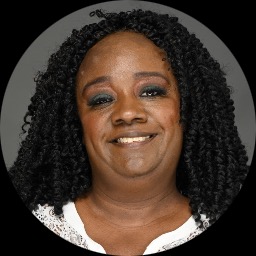
Pennsylvania · 10 yrs exp
Works with Stress, Anxiety / Relationship / Grief +9
Works by Cognitive Behavioral Therapy (CBT) / Dialectical Behavior Therapy (DBT)
View Profile
Georgia · 19 yrs exp
Works with Stress, Anxiety / Addictions / Trauma and abuse +12
View Profile
Arizona · 30 yrs exp
Works with Stress, Anxiety / Trauma and abuse / Self esteem +12
Works by Client-Centered Therapy / Cognitive Behavioral Therapy (CBT)
View Profile
Texas · 25 yrs exp
Works with Stress, Anxiety / Family / Intimacy-related issues +16
Works by Attachment-Based Therapy / Client-Centered Therapy
View Profile
Texas · 10 yrs exp · 2 languages
Works with Stress, Anxiety / Relationship / Anger +17
Works by Cognitive Behavioral Therapy (CBT) / Solution-Focused Therapy
View Profile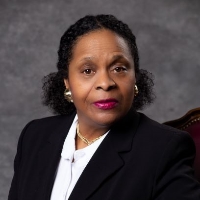
Missouri · 20 yrs exp
Works with Stress, Anxiety / Addictions / Trauma and abuse +15
Works by Client-Centered Therapy / Cognitive Behavioral Therapy (CBT)
View Profile
Texas · 18 yrs exp
Works with Stress, Anxiety / Addictions / Trauma and abuse +10
Works by Client-Centered Therapy / Cognitive Behavioral Therapy (CBT)
View Profile
New Jersey · 20 yrs exp
Works with Stress, Anxiety / Addictions / Parenting +8
Works by Client-Centered Therapy / Cognitive Behavioral Therapy (CBT)
View Profile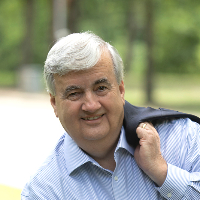
Texas · 23 yrs exp
Works with Stress, Anxiety / Relationship / Self esteem +12
Works by Client-Centered Therapy / Cognitive Behavioral Therapy (CBT)
View Profile
Louisiana · 16 yrs exp
Works with Stress, Anxiety / Self esteem / Depression +5
Works by Acceptance and Commitment Therapy (ACT) / Mindfulness Therapy
View Profile
Mississippi · 25 yrs exp
Works with Stress, Anxiety / Relationship / Family +16
Works by Acceptance and Commitment Therapy (ACT) / Client-Centered Therapy
View Profile
Wisconsin · 11 yrs exp
Works with Stress, Anxiety / Relationship / Family +7
Works by Client-Centered Therapy / Cognitive Behavioral Therapy (CBT)
View Profile
Georgia · 3 yrs exp
Works with Stress, Anxiety / Relationship / Family +7
Works by Cognitive Behavioral Therapy (CBT)
View Profile
Virginia · 13 yrs exp
Works with Stress, Anxiety / Anger / Self esteem +10
Works by Acceptance and Commitment Therapy (ACT) / Client-Centered Therapy
View Profile
Louisiana · 16 yrs exp
Works with Stress, Anxiety / Relationship / Career +15
Works by Client-Centered Therapy / Cognitive Behavioral Therapy (CBT)
View Profile
Texas · 14 yrs exp
Works with Stress, Anxiety / Addictions / Anger +11
Works by Client-Centered Therapy / Cognitive Behavioral Therapy (CBT)
View Profile
Louisiana · 10 yrs exp
Works with Stress, Anxiety / Trauma and abuse / Anger +13
Works by Attachment-Based Therapy / Client-Centered Therapy
View Profile
Illinois · 12 yrs exp
Works with Trauma and abuse / Self esteem / Coping with life changes +9
Works by Acceptance and Commitment Therapy (ACT) / Attachment-Based Therapy
View Profile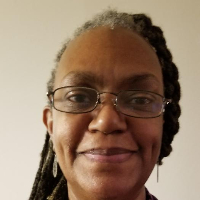
Maryland · 25 yrs exp
Works with Stress, Anxiety / Addictions / Relationship +13
Works by Acceptance and Commitment Therapy (ACT) / Client-Centered Therapy
View Profile
Texas · 4 yrs exp
Works with Stress, Anxiety / Trauma and abuse / Parenting +14
Works by Client-Centered Therapy / Cognitive Behavioral Therapy (CBT)
View Profile
Louisiana · 28 yrs exp
Works with Stress, Anxiety / Relationship / Grief +16
Works by Acceptance and Commitment Therapy (ACT) / Attachment-Based Therapy
View Profile
Illinois · 38 yrs exp
Works with Stress, Anxiety / Self esteem / Depression +10
Works by Client-Centered Therapy / Cognitive Behavioral Therapy (CBT)
View Profile
Texas · 30 yrs exp
Works with Stress, Anxiety / Relationship / Grief +9
Works by Client-Centered Therapy / Cognitive Behavioral Therapy (CBT)
View ProfileLoneliness and isolation are related but distinct experiences that many people face at different points in life. Loneliness is a subjective feeling - a sense that your social needs are not being met - while isolation refers to an objective lack of social contact or connection. You can feel lonely in a crowded room or be isolated while appreciating solitude; both experiences can influence mood, motivation and everyday functioning. When you turn to a licensed professional counselor - known by different titles depending on the state - you are working with someone whose training emphasizes wellness and development, focusing on how you are functioning now and what you want to work toward rather than beginning from diagnosis alone.
The effects of prolonged loneliness or isolation are often experienced across emotional, cognitive and behavioral domains. You might notice growing withdrawal, low energy, difficulty concentrating, or a shrinking circle of trusted relationships. Some people see their self-esteem change or find it harder to start new connections. Because counselors who hold an LPC, LPCC or LCPC are trained to assess functioning and strengths, they can help you explore which factors maintain your isolation or loneliness and what steps fit your goals and lifestyle.
If you are wondering whether to reach out to a counselor, look at the pattern of your experiences rather than a single episode. You might benefit from counseling if you feel persistently disconnected from others, if loneliness is interfering with work or relationships, or if attempts to reach out feel overwhelming or lead to disappointment. Changes in sleep, appetite, concentration, or a sense that social situations are increasingly stressful can also indicate that the experience is affecting your overall functioning. Some people find that loneliness is linked to life transitions - moving, loss, becoming a parent, retirement - and they want help adapting.
Another sign that counseling could help is repeated patterns in relationships - for example, expecting rejection, avoiding closeness, or relying on short-lived social encounters that leave you feeling empty. You might also notice that isolation is tied to other issues such as anxiety about meeting people, unresolved grief, or chronic health conditions that make social contact harder. Licensed professional counselors in the U.S. are prepared to explore these interconnected factors, assess your current functioning, and work with you on practical steps that align with your goals.
When you begin working with a counselor who holds an LPC, LPCC or LCPC, the early sessions typically focus on understanding your situation and goals. Your counselor will ask about how loneliness or isolation shows up in your life, what you have already tried, and what matters most to you. Because counselor training emphasizes a developmental and wellness orientation, the conversation will usually include questions about strengths, coping strategies, relationships, routines and what a successful outcome would look like for you.
Over time, sessions may include a combination of exploration and practical skill-building. You can expect collaborative goal-setting that reflects your pace - some people want small steps toward social engagement, while others work first on internal barriers such as anxiety or self-criticism. Your counselor may help you develop communication skills, plan gradual exposure to social situations, or reframe negative self-talk that undercuts connection. Progress is measured in terms of how your daily life changes - how you feel about relationships, how often you initiate contact, and how comfortable you become in being known by others.
Counselors often draw on a range of approaches when addressing loneliness and isolation, and the directory records the approaches therapists list rather than certifying training in any specific method. Some counselors list cognitive-behavioral approaches that help you notice and change unhelpful thoughts and behaviors that keep you withdrawn. Others list interpersonal or relational approaches that focus on patterns in your existing relationships and how to build new, meaningful connections. Some profiles include humanistic or strengths-based approaches that emphasize personal growth, values and purpose.
You will also find counselors who list mindfulness-informed methods or emotion-focused approaches that help you tolerate difficult feelings that arise when you try to connect. If grief or loss contributes to your isolation, some counselors list bereavement-informed work among their approaches. When you review profiles, look for language that matches what you want to work on - whether that is reducing social anxiety, building communication skills, addressing life transitions or creating routine social opportunities. Remember that listing an approach on a profile indicates that a counselor uses or references that approach, and does not stand as a certification of training in it.
Online therapy with a licensed professional counselor can be a practical option if geographic distance, mobility, or scheduling make in-person visits difficult. When you choose this route, sessions typically occur by video, phone or messaging according to what you and the counselor agree on. Online sessions can help you practice social skills, plan real-world interactions and reflect on how those experiences felt. They can also be a way to maintain regular contact during periods when meeting in person is not possible.
Keep in mind that regulation of counseling occurs at the state level. Counselors in this directory hold licensure under the titles used in their states - LPC in many states, LPCC in places like Ohio, California, Kentucky and Minnesota, and LCPC in states such as Illinois, Maryland and Montana. In some states, LPC and LPCC titles coexist as different licensure stages with the clinical title involving further supervised practice; where that matters, it is a matter of state naming and requirements rather than a simple ranking. Licensing requires a master’s degree in counseling, a state-set period of supervised postgraduate clinical experience commonly running two to three years and several thousand hours, and successful completion of a national examination. The issuing and renewing authority is the state board, so requirements and exact titles vary by state.
When you look through profiles, focus on information that helps you assess fit. Pay attention to the counselor’s stated focus areas, the approaches they list, languages spoken and any life experience they reference that feels relevant to your situation. Comparing credentials, years of experience, listed approaches and languages can help you identify counselors whose profiles match your priorities. Because counselors emphasize functioning and goals, you might prioritize someone who explicitly mentions work with life transitions, social anxiety, grief or relationship patterns depending on what underlies your isolation.
It can help to reflect on your preferences for pace and style before selecting counselors to learn more about. Think about whether you want a pragmatic, skills-focused path or a reflective, insight-oriented approach. Review profile descriptions looking for language that resonates with how you like to work. If you communicate clearly about what you want to achieve in your initial contact, that will help you and a counselor determine whether your goals align. Above all, trust your judgment about who feels like a good conversational fit; a productive working relationship is often rooted in a counselor’s listening style, respect for your goals and clarity about how they work.
Finding a counselor who holds the appropriate state licensure and whose profile reflects the focus you want is a practical first step toward addressing isolation and loneliness. With a counselor’s support, you can identify manageable steps toward more meaningful connection, develop skills to navigate social situations, and work from a strengths-based perspective to build the life you want.
Alabama
238 therapists
Alaska
20 therapists
Arizona
196 therapists
Arkansas
116 therapists
California
174 therapists
Colorado
346 therapists
Connecticut
79 therapists
Delaware
4 therapists
District of Columbia
26 therapists
Florida
152 therapists
Georgia
623 therapists
Hawaii
5 therapists
Idaho
90 therapists
Illinois
383 therapists
Indiana
22 therapists
Iowa
11 therapists
Kansas
41 therapists
Kentucky
128 therapists
Louisiana
310 therapists
Maine
42 therapists
Maryland
174 therapists
Massachusetts
5 therapists
Michigan
318 therapists
Minnesota
117 therapists
Mississippi
151 therapists
Missouri
388 therapists
Montana
78 therapists
Nebraska
12 therapists
Nevada
36 therapists
New Hampshire
7 therapists
New Jersey
261 therapists
New Mexico
61 therapists
New York
32 therapists
North Carolina
89 therapists
North Dakota
12 therapists
Ohio
281 therapists
Oklahoma
278 therapists
Oregon
89 therapists
Pennsylvania
523 therapists
Rhode Island
4 therapists
South Carolina
281 therapists
South Dakota
28 therapists
Tennessee
143 therapists
Texas
1899 therapists
Utah
19 therapists
Vermont
8 therapists
Virginia
287 therapists
Washington
19 therapists
West Virginia
46 therapists
Wisconsin
210 therapists
Wyoming
45 therapists