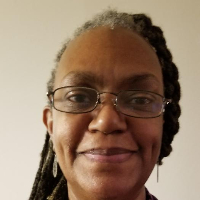
About Pamela
Pamela Byrd helps people facing stress, anxiety, addiction, grief, depression, and relationship struggles. She also supports concerns like parenting strain, intimacy issues, career changes, compassion fatigue, and multicultural challenges. Pamela holds MD and LCPC credentials and brings 25 years of professional experience to her work.
Her style is practical and down-to-earth. Sessions focus on what is happening now and on building skills that make daily life easier. Pamela blends straightforward talk with exercises people can use between sessions.
Background and approach
She emphasizes awareness of how thoughts, feelings, and behavior interact. Pamela trained at Johns Hopkins University and has led workshops and presentations nationally and internationally. Over her career she has counseled many people and supervised other clinicians.
That background informs a flexible approach that matches different concerns and life situations. In the therapy room she draws from cognitive behavioral ideas alongside acceptance and mindfulness practices. She also uses motivational interviewing and client-centered listening to help people clarify values and decide on realistic next steps.
Sessions aim to be collaborative and goal-focused. People who prefer structured tools and clear guidance often respond well to her approach. She offers a mix of short-term strategies for coping and longer-term work for deeper change.
Pamela works with people in Maryland and uses multiple session formats to fit varied schedules and needs.
Approaches that translate well to online care
Acceptance and Commitment Therapy (ACT) helps people notice thoughts and feelings without getting stuck in them, then choose actions that match their values. It can be useful for anxiety, depression, and coping with life changes. Cognitive Behavioral Therapy (CBT) focuses on identifying unhelpful thought patterns and practicing different behaviors; it works well for stress, mood concerns, and many anxiety problems. Client-Centered Therapy emphasizes listening and empathy so people feel heard and can clarify their own goals and strengths.Finding the best approach is part of the work together. Pamela will talk with each person about goals and preferences, then recommend strategies from these approaches. The plan is collaborative and can change as needs shift over time.
Online formats include video calls, phone sessions, live chat, and text-based messaging. Video sessions let people use visual cues for conversational depth. Phone sessions require less bandwidth and can fit into a short break. Live chat and text messaging are useful for brief check-ins, ongoing coaching, or people who prefer typed communication. These options make it easier to fit therapy into busy schedules and different life circumstances.
Questions people ask
What kinds of concerns does Pamela address?
How would you describe her therapeutic style?
What is her professional background?
What credentials and location are listed?
Which languages are supported in sessions?
What session formats are available?
How is cost handled for sessions?
How do I begin therapy with her?
What this counselor works with
Most often
- Stress, Anxiety
- Addictions
- Relationship issues
Also listed
- Anger management
- Antisocial personality
- Bipolar disorder
- Blended family issues
- Cancer
- Career difficulties
- Codependency
- Commitment issues
- Communication problems
- Compassion fatigue
- Control issues
- Coping with life changes
- Coping with natural or human-caused disaster
- Depression
- Divorce and separation
- Drug and alcohol addiction
- Family conflicts
- Forgiveness
- Grief
- Guilt and shame
- Intimacy-related issues
- Isolation / loneliness
- LGBT
- Midlife crisis
- Multicultural concerns
- Parenting issues
- Post-traumatic stress
- Prejudice and discrimination
- Self esteem
- Self-love
- Trauma and abuse
- Workplace issues
Therapeutic approaches
- Experience
- 25 years
- Licensed
- Maryland
- Languages
- English