
Stacey Sugar, MD, LCPC, LPCC
California · 14 yrs exp
Works with Stress, Anxiety / Relationship / Family +10
Works by Attachment-Based Therapy / Client-Centered Therapy
View ProfileThe therapist listings are provided by BetterHelp and we will earn a commission if you use our link - at no cost to you.
This directory highlights Licensed Professional Counselors who list veterans and military-related concerns among their focus areas. Browse the listings below to review credentials, focus areas, approaches, languages, and experience that may match your needs.
California · 14 yrs exp
Works with Stress, Anxiety / Relationship / Family +10
Works by Attachment-Based Therapy / Client-Centered Therapy
View Profile
Georgia · 10 yrs exp
Works with Stress, Anxiety / Grief / Self esteem +11
Works by Client-Centered Therapy / Cognitive Behavioral Therapy (CBT)
View Profile
Colorado · 17 yrs exp
Works with Relationship / Trauma and abuse / Parenting +9
Works by Acceptance and Commitment Therapy (ACT) / Attachment-Based Therapy
View Profile
Louisiana · 7 yrs exp
Works with Stress, Anxiety / Family / Trauma and abuse +16
Works by Acceptance and Commitment Therapy (ACT) / Attachment-Based Therapy
View Profile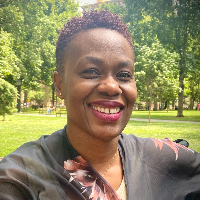
Oklahoma · 7 yrs exp
Works with Stress, Anxiety / Relationship / Grief +9
Works by Client-Centered Therapy / Cognitive Behavioral Therapy (CBT)
View Profile
Pennsylvania · 12 yrs exp
Works with Stress, Anxiety / Relationship / Self esteem +12
Works by Client-Centered Therapy / Cognitive Behavioral Therapy (CBT)
View Profile
Texas · 10 yrs exp
Works with Stress, Anxiety / Relationship / Family +15
Works by Acceptance and Commitment Therapy (ACT) / Attachment-Based Therapy
View Profile
Georgia · 14 yrs exp
Works with Stress, Anxiety / LGBT / Trauma and abuse +10
Works by Client-Centered Therapy / Cognitive Behavioral Therapy (CBT)
View Profile
Montana · 39 yrs exp
Works with Stress, Anxiety / Parenting / Self esteem +13
Works by Cognitive Behavioral Therapy (CBT) / Motivational Interviewing
View Profile
Missouri · 14 yrs exp
Works with Stress, Anxiety / Self esteem / Career +14
Works by Acceptance and Commitment Therapy (ACT) / Attachment-Based Therapy
View Profile
Montana · 16 yrs exp
Works with Stress, Anxiety / Relationship / Self esteem +12
Works by Client-Centered Therapy / Cognitive Behavioral Therapy (CBT)
View Profile
Arizona · 30 yrs exp
Works with Stress, Anxiety / Trauma and abuse / Self esteem +12
Works by Client-Centered Therapy / Cognitive Behavioral Therapy (CBT)
View Profile
Texas · 25 yrs exp
Works with Stress, Anxiety / Family / Intimacy-related issues +16
Works by Attachment-Based Therapy / Client-Centered Therapy
View Profile
Texas · 10 yrs exp · 2 languages
Works with Stress, Anxiety / Relationship / Anger +17
Works by Cognitive Behavioral Therapy (CBT) / Solution-Focused Therapy
View Profile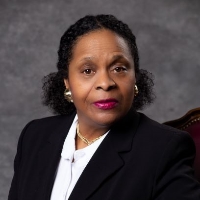
Missouri · 20 yrs exp
Works with Stress, Anxiety / Addictions / Trauma and abuse +15
Works by Client-Centered Therapy / Cognitive Behavioral Therapy (CBT)
View Profile
Texas · 18 yrs exp
Works with Stress, Anxiety / Addictions / Trauma and abuse +10
Works by Client-Centered Therapy / Cognitive Behavioral Therapy (CBT)
View Profile
Mississippi · 25 yrs exp
Works with Stress, Anxiety / Relationship / Family +16
Works by Acceptance and Commitment Therapy (ACT) / Client-Centered Therapy
View Profile
Georgia · 17 yrs exp
Works with Relationship / Family / Trauma and abuse +14
Works by Acceptance and Commitment Therapy (ACT) / Attachment-Based Therapy
View Profile
Virginia · 13 yrs exp
Works with Stress, Anxiety / Anger / Self esteem +10
Works by Acceptance and Commitment Therapy (ACT) / Client-Centered Therapy
View Profile
Louisiana · 5 yrs exp
Works with Stress, Anxiety / Addictions / Depression +5
Works by Client-Centered Therapy / Mindfulness Therapy
View Profile
Louisiana · 16 yrs exp
Works with Stress, Anxiety / Relationship / Career +15
Works by Client-Centered Therapy / Cognitive Behavioral Therapy (CBT)
View Profile
Oklahoma · 12 yrs exp
Works with Anger / Coping with life changes / Relationship +2
Works by Cognitive Behavioral Therapy (CBT)
View Profile
Illinois · 12 yrs exp
Works with Trauma and abuse / Self esteem / Coping with life changes +9
Works by Acceptance and Commitment Therapy (ACT) / Attachment-Based Therapy
View Profile
Texas · 4 yrs exp
Works with Stress, Anxiety / Trauma and abuse / Parenting +14
Works by Client-Centered Therapy / Cognitive Behavioral Therapy (CBT)
View Profile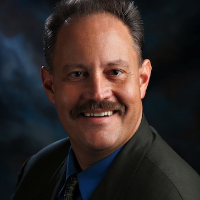
Louisiana · 25 yrs exp
Works with Addictions / Relationship / Family +12
Works by Client-Centered Therapy / Cognitive Behavioral Therapy (CBT)
View Profile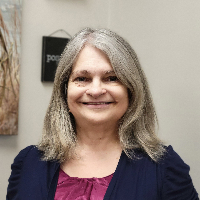
Illinois · 38 yrs exp
Works with Stress, Anxiety / Self esteem / Depression +10
Works by Client-Centered Therapy / Cognitive Behavioral Therapy (CBT)
View Profile
Missouri · 17 yrs exp
Works with Stress, Anxiety / Addictions / Relationship +10
Works by Attachment-Based Therapy / Client-Centered Therapy
View Profile
Texas · 11 yrs exp · 2 languages
Works with Stress, Anxiety / Anger / Self esteem +9
Works by Acceptance and Commitment Therapy (ACT) / Client-Centered Therapy
View Profile
South Carolina · 8 yrs exp
Works with Stress, Anxiety / Relationship / Family +12
Works by Client-Centered Therapy / Cognitive Behavioral Therapy (CBT)
View Profile
Michigan · 13 yrs exp
Works with Stress, Anxiety / Addictions / Trauma and abuse +17
Works by Acceptance and Commitment Therapy (ACT) / Client-Centered Therapy
View Profile
Texas · 20 yrs exp
Works with Stress, Anxiety / Relationship / Family +14
Works by Attachment-Based Therapy / Client-Centered Therapy
View Profile
North Carolina · 20 yrs exp
Works with Stress, Anxiety / Parenting / Self esteem +16
Works by Acceptance and Commitment Therapy (ACT) / Client-Centered Therapy
View Profile
South Carolina · 8 yrs exp
Works with Stress, Anxiety / Trauma and abuse / Self esteem +17
Works by Attachment-Based Therapy / Client-Centered Therapy
View Profile
Georgia · 11 yrs exp
Works with Addictions / Relationship / Trauma and abuse +2
Works by Cognitive Behavioral Therapy (CBT)
View Profile
Louisiana · 9 yrs exp
Works with Stress, Anxiety / Addictions / Relationship +12
Works by Client-Centered Therapy / Cognitive Behavioral Therapy (CBT)
View Profile
Texas · 30 yrs exp
Works with Stress, Anxiety / Trauma and abuse / Grief +2
View Profile
Montana · 23 yrs exp
Works with Stress, Anxiety / Family / Trauma and abuse +13
Works by Acceptance and Commitment Therapy (ACT) / Attachment-Based Therapy
View Profile
Wisconsin · 30 yrs exp
Works with Stress, Anxiety / Relationship / Family +10
Works by Client-Centered Therapy / Solution-Focused Therapy
View Profile
Ohio · 29 yrs exp
Works with Stress, Anxiety / Trauma and abuse / Self esteem +10
Works by Attachment-Based Therapy / Client-Centered Therapy
View Profile
Illinois · 9 yrs exp
Works with Stress, Anxiety / LGBT / Grief +10
Works by Attachment-Based Therapy / Client-Centered Therapy
View Profile
New Jersey · 52 yrs exp · 2 languages
Works with Stress, Anxiety / Relationship / Grief +3
Works by Acceptance and Commitment Therapy (ACT) / Attachment-Based Therapy
View Profile
Oklahoma · 9 yrs exp
Works with Stress, Anxiety / Anger / Self esteem +17
Works by Acceptance and Commitment Therapy (ACT) / Attachment-Based Therapy
View Profile
Texas · 15 yrs exp
Works with Stress, Anxiety / Addictions / LGBT +12
Works by Acceptance and Commitment Therapy (ACT) / Attachment-Based Therapy
View Profile
Texas · 12 yrs exp
Works with Stress, Anxiety / Trauma and abuse / Eating +14
Works by Client-Centered Therapy / Cognitive Behavioral Therapy (CBT)
View Profile
Oklahoma · 25 yrs exp
Works with Stress, Anxiety / Relationship / Family +16
Works by Cognitive Behavioral Therapy (CBT) / Solution-Focused Therapy
View Profile
Texas · 12 yrs exp
Works with Stress, Anxiety / Addictions / Relationship +15
Works by Acceptance and Commitment Therapy (ACT) / Attachment-Based Therapy
View Profile
Illinois · 30 yrs exp
Works with Stress, Anxiety / Relationship / Family +13
Works by Acceptance and Commitment Therapy (ACT) / Attachment-Based Therapy
View Profile
Pennsylvania · 40 yrs exp
Works with Relationship / Family / Parenting +2
View ProfileWhen a counselor lists veterans as a specialty, they are indicating experience or interest in working with people who have served in the armed forces and with the transitions that follow military life. That can include active duty transition, separation from service, adjustments to civilian roles, relational changes, and service-related psychological or behavioral challenges. Veterans may face a mix of emotional, social, occupational, and health concerns that interact in complex ways. Some experiences relate directly to deployment or operational stressors, while others emerge from the ongoing process of reintegration into family and community life.
Licensed Professional Counselors on this site hold credentials that vary by state name: many states use the designation Licensed Professional Counselor or LPC, while some state regulatory boards use LPCC or LCPC. The three titles refer to the same licensed counseling profession under different state naming systems. In a few states the clinical title exists alongside an LPC title as a distinct license stage, reflecting that state board rules for titles and supervised practice vary. The credential requires a masters degree in counseling, a state-set period of supervised postgraduate clinical experience commonly running two to three years and several thousand hours, and successful completion of a national examination. Because licensure is issued and renewed by state boards, exact requirements differ by jurisdiction.
Counselor training emphasizes a wellness and developmental orientation. That means the starting point in sessions is often how you are functioning now and what you want to work toward rather than focusing solely on diagnosis. This perspective can be especially useful for veterans who are navigating life changes, career transitions, relationship shifts, or meaning-centered concerns after service.
If you have served in the military or lived closely with someone who has, you may recognize a range of reactions that suggest reaching out to a counselor could help. You might notice repeated difficulty sleeping, intrusive or distressing memories of service, or persistent avoidance of places, people, or situations that remind you of particular events. You may find that relationships with partners, children, or friends have become strained, that you feel disconnected from civilian peers, or that everyday tasks feel harder than they used to.
Other experiences that lead people to seek a counselor include heightened irritability, problems managing anger, increases in alcohol or substance use, and difficulty translating military skills into civilian work or education. You may also be grappling with moral injury, grief, chronic pain, or complex feelings about identity and purpose after leaving the military. Seeking counseling does not require a single dramatic event - many people pursue support when persistent patterns interfere with work, family life, or general well-being. A counselor who lists veterans among their focus areas will understand the service context and the kinds of transitions you may be navigating.
When you meet with a licensed professional counselor who lists veterans as a focus, the first sessions typically involve gathering a collaborative picture of where you are now and what you want to change. Your counselor will usually ask about your service history, current functioning, goals for counseling, and any practical concerns like work, housing, or medical care that affect your progress. This information helps shape a plan that centers on your priorities rather than imposing a one-size-fits-all protocol.
Sessions often blend skills-based work with opportunities to process experiences and strengthen coping. You may practice specific strategies for managing anxiety, improving sleep, or reducing reactivity. At the same time you may explore values, identity, and relationships as part of a broader recovery and adjustment process. If other professionals are involved in your care, a counselor can discuss ways to coordinate support while respecting each provider's role. Expect a professional approach grounded in counseling education and supervised clinical experience, with attention to practical steps you can use between sessions to make progress toward your goals.
Counselors who list veterans among their focus areas often mention a variety of therapeutic approaches on their profiles. That listing indicates areas they draw on in practice, not certification or guaranteed training. You will see counselors who list cognitive-behavioral methods that help you identify and test thoughts and behaviors that maintain distress. You will see therapists who list exposure-based techniques that address avoidance and help reduce the power of distressing memories. Some counselors list acceptance and commitment approaches that focus on values-guided action, while others list narrative or meaning-centered methods that emphasize the stories you tell about your service and life trajectory.
You may also find counselors who list family-centered or systems-oriented approaches to help address relationship challenges, and others who list mindfulness-informed work to support emotion regulation and stress reduction. Some profiles will include mention of specific interventions more commonly used with trauma-related concerns, and others will emphasize vocational or career counseling as you translate military skills into civilian employment. Because the directory only records what a counselor lists, you can use those listings to find practitioners who match the kinds of approaches you want to explore.
Online counseling with a licensed professional counselor who lists veterans functions much like in-person work, but with practical differences for access and scheduling. You engage in sessions from your chosen location using video, phone, or messaging formats depending on what the counselor indicates on their profile and what your state law allows. State licensure governs where counselors can provide services, so practitioners generally provide services to clients in states where they hold a license. Online sessions can reduce travel time and make it easier to include family members or other supports when appropriate. You should expect the counselor to explain how sessions will be conducted, what technology is used, and how records and clinical communication are handled, and to answer your questions about the process before you begin.
Start by reviewing the professional credentials listed on profiles. Look for the licensure title used in your state - LPC, LPCC, or LCPC - and recognize that these titles reflect the same licensed counseling profession under different state naming systems, although some states maintain separate title stages. Next, consider the counselor's stated focus areas and approaches. If you prefer certain methods, seek counselors who list those approaches. Look at experience items such as years in practice, military cultural familiarity, language skills, and whether they list work with related concerns like trauma, adjustment, or family issues. Think about practical features that matter to you, such as location or willingness to meet online, and whether you would prefer someone who mentions working with service members from particular branches, eras, or contexts.
Pay attention to how a counselor describes their orientation and goals in their profile. A counselor who emphasizes functioning and goals will likely frame work around what you want to be able to do differently. Finally, consider contacting more than one counselor to get a sense of who you feel comfortable with. Comfort, cultural fit, and a mutual sense of direction are important in the early stages of counseling. Use the profile information to weigh credentials, focus areas, approaches, languages, and experience so you can identify counselors whose practice aligns with what you hope to achieve.
Choosing a licensed professional counselor who lists veterans as a focus can help you find someone familiar with service culture and the transitions that follow military life. The directory is a place to begin that process by comparing the professional information counselors provide and learning more about what to expect from the counseling relationship.
Alabama
238 therapists
Alaska
20 therapists
Arizona
196 therapists
Arkansas
116 therapists
California
174 therapists
Colorado
346 therapists
Connecticut
79 therapists
Delaware
4 therapists
District of Columbia
26 therapists
Florida
152 therapists
Georgia
623 therapists
Hawaii
5 therapists
Idaho
90 therapists
Illinois
383 therapists
Indiana
22 therapists
Iowa
11 therapists
Kansas
41 therapists
Kentucky
128 therapists
Louisiana
310 therapists
Maine
42 therapists
Maryland
174 therapists
Massachusetts
5 therapists
Michigan
318 therapists
Minnesota
117 therapists
Mississippi
151 therapists
Missouri
388 therapists
Montana
78 therapists
Nebraska
12 therapists
Nevada
36 therapists
New Hampshire
7 therapists
New Jersey
261 therapists
New Mexico
61 therapists
New York
32 therapists
North Carolina
89 therapists
North Dakota
12 therapists
Ohio
281 therapists
Oklahoma
278 therapists
Oregon
89 therapists
Pennsylvania
523 therapists
Rhode Island
4 therapists
South Carolina
281 therapists
South Dakota
28 therapists
Tennessee
143 therapists
Texas
1899 therapists
Utah
19 therapists
Vermont
8 therapists
Virginia
287 therapists
Washington
19 therapists
West Virginia
46 therapists
Wisconsin
210 therapists
Wyoming
45 therapists