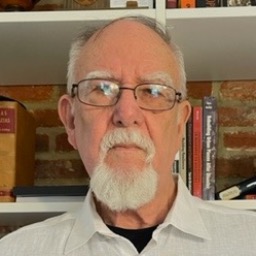
About Joseph
Dr. Joseph Prewitt-Diaz is a licensed professional counselor (LPC) with 52 years of experience. He is bilingual in English and Spanish and has spent decades helping people through major life disruptions.
He draws on long experience supporting those affected by disaster, migration, and crisis. His background includes long-term work with disaster survivors and humanitarian emergencies. He has supported first responders and veterans coping with compassion fatigue and reintegration challenges.
These roles shaped a practice that emphasizes steady presence and cultural humility.
Background and approach
In sessions he focuses on listening closely and walking alongside people as they make sense of hard events. He helps clients talk through grief, anxiety, depression, and relationship struggles. He also works with people facing self-esteem issues, attachment concerns, or family-of-origin conflicts.
Dr. Prewitt-Diaz uses straightforward methods to help people clarify values, repair communication, and find daily coping tools. He draws on approaches such as Acceptance and Commitment Therapy, attachment-based work, mindfulness, and solution-focused strategies.
Sessions are offered in English and Spanish to accommodate diverse backgrounds. He aims to restore dignity and help people reclaim a sense of purpose after loss or prolonged hardship. His style is calm and attentive, with an emphasis on practical steps that fit each person's life.
The goal is steady progress toward clearer meaning and better functioning.
Approaches that guide online work and making them fit you
Acceptance and Commitment Therapy (ACT) helps people notice painful thoughts without getting stuck in them and identify values to guide action. It can be useful for anxiety, depression, and situations where someone wants clearer direction. Attachment-Based Therapy focuses on how early relationships shape current patterns of relating; it helps people understand attachment concerns and improve trust and closeness in relationships. Client-Centered Therapy places the person’s experience at the center of sessions, with the therapist offering empathy and nonjudgmental listening to help people find their own solutions.Choosing the right approach is a collaborative process. The therapist will talk with each person about goals, preferences, and what has or hasn’t worked before. Then they will try methods that fit the situation and adjust as needed so the work stays practical and relevant.
Online formats include video calls, phone sessions, live chat, and text-based messaging, which allow therapy to fit into busy lives. Video sessions are good for face-to-face interaction and nonverbal cues. Phone sessions use less bandwidth and can be easier during short breaks. Live chat and text messaging are useful for brief check-ins, ongoing support between sessions, or when typing helps someone express themselves. These options offer flexibility so people can access consistent help regardless of distance.
Questions people ask
What concerns does he help with?
What is his therapeutic style like?
How much experience does he have?
What credentials and location are listed?
Which languages are supported?
Can international clients work with him?
What session formats are available?
How does cost and scheduling work?
What this counselor works with
Most often
- Stress, Anxiety
- Relationship issues
- Grief
Also listed
- Adoption and foster care
- Antisocial personality
- Attachment issues
- Blended family issues
- Commitment issues
- Communication problems
- Coping with life changes
- Coping with natural or human-caused disaster
- Dependent personality
- Depression
- Family of origin issues
- Fatherhood issues
- First responder issues
- Immigration issues
- Infidelity
- Intellectual disability
- Life purpose
- Multicultural concerns
- Post-traumatic stress
- Prejudice and discrimination
- Self esteem
- Social anxiety and phobia
- Veteran and Armed Forces Issues
- Young adult issues
Therapeutic approaches
- Experience
- 52 years
- Licensed
- New Jersey
- Languages
- English, Spanish