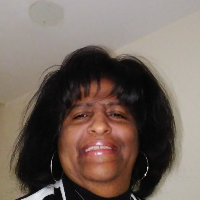
About Cassandra
Dr. Cassandra April is a licensed clinical professional counselor with three decades of experience in mental health work. She practices in Illinois and combines clinical knowledge with a practical, down-to-earth approach.
People come to her when life feels unsteady and they need steady guidance. She often helps people who are facing grief, trauma, anxiety, depression, and stress. She also supports those dealing with family strain, relationship problems, addiction concerns, anger, self-esteem issues, and compassion fatigue.
Background and approach
Her experience includes work related to adoption and foster care, abandonment, blended family issues, codependency, and family of origin concerns. Her approach blends Cognitive Behavioral Therapy (CBT) and Trauma-Focused Therapy with psychodynamic ideas and Systemic Therapy. That means sessions can include talking about patterns from the past, looking at how thoughts affect feelings, and noticing how family dynamics shape behavior.
She aims to create clear steps people can try between sessions. Sessions are practical and conversational. She listens for what matters most and helps people set realistic goals.
She offers a mix of short-term problem solving and longer work when a deeper change is needed. Dr. April also brings experience as an adjunct professor and an author to her clinical work.
Those roles shape the way she explains things and presents options. She works with clients to find which strategies fit their life and priorities.
How her approaches translate to online care
CBT focuses on identifying unhelpful thoughts and testing them with new behaviors. Online work with CBT often uses short exercises, thought records, and practical homework to change how someone reacts to stress and anxiety.Trauma-Focused Therapy concentrates on healing from past traumatic events by developing safety, grounding skills, and gradual processing when the client is ready. This approach can help with symptoms that come from abuse, loss, or other traumatic experiences.
Finding the right approach is part of the work together. She will collaborate with each person to choose what fits their needs, goals, and preferences, and adjust methods over time as progress is made.
Online formats include video calls, phone sessions, live chat, and text-based messaging, which offer flexibility for different schedules and energy levels. Video calls allow more direct conversation and nonverbal cues, phone sessions can be a simpler option when bandwidth is limited, and messaging or chat can suit brief check-ins or ongoing support between sessions. These options make it easier to fit therapy into a busy life and to keep continuity when travel or relocation occurs.
Questions people ask
What kinds of concerns does she help with?
How would you describe her therapeutic style?
What is her professional background?
Where is the therapist based and what are her credentials?
Which languages are supported for sessions?
What session formats are available online?
How does cost and payment work?
How do I begin working with her?
What this counselor works with
Most often
- Family conflicts
- Trauma and abuse
- Grief
Also listed
- Abandonment
- Addictions
- Adoption and foster care
- Anger management
- Blended family issues
- Codependency
- Commitment issues
- Communication problems
- Compassion fatigue
- Control issues
- Coping with life changes
- Dependent personality
- Depression
- Drug and alcohol addiction
- Emptiness
- Family of origin issues
- Family problems
- Forgiveness
- Guilt and shame
- Isolation / loneliness
- Jealousy
- Life purpose
- Multicultural concerns
- Personality disorders
- Post-traumatic stress
- Prejudice and discrimination
- Relationship issues
- Self esteem
- Self-harm
- Self-love
- Stress, Anxiety
- Workplace issues
- Young adult issues
Therapeutic approaches
- Experience
- 30 years
- Licensed
- Illinois
- Languages
- English