
Rhonda Piazza, LPC
Missouri · 23 yrs exp
Works with Stress, Anxiety / Addictions / Trauma and abuse +11
Works by Client-Centered Therapy / Cognitive Behavioral Therapy (CBT)
View ProfileThe therapist listings are provided by BetterHelp and we will earn a commission if you use our link - at no cost to you.
On this page you'll find licensed professional counselors (LPC, LPCC, LCPC) who list self-harm among their focus areas. Browse the listings below to read profiles, compare approaches, and consider counselors who may match your needs.
Missouri · 23 yrs exp
Works with Stress, Anxiety / Addictions / Trauma and abuse +11
Works by Client-Centered Therapy / Cognitive Behavioral Therapy (CBT)
View Profile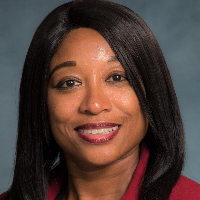
Georgia · 8 yrs exp
Works with Stress, Anxiety / Relationship / Family +12
Works by Client-Centered Therapy / Cognitive Behavioral Therapy (CBT)
View Profile
Colorado · 15 yrs exp
Works with Stress, Anxiety / Relationship / Intimacy-related issues +11
Works by Acceptance and Commitment Therapy (ACT) / Attachment-Based Therapy
View Profile
Louisiana · 7 yrs exp
Works with Stress, Anxiety / Family / Trauma and abuse +16
Works by Acceptance and Commitment Therapy (ACT) / Attachment-Based Therapy
View Profile
Maryland · 6 yrs exp
Works with Stress, Anxiety / Trauma and abuse / Self esteem +11
Works by Attachment-Based Therapy / Client-Centered Therapy
View Profile
Missouri · 7 yrs exp
Works with Stress, Anxiety / Addictions / Relationship +14
Works by Client-Centered Therapy / Cognitive Behavioral Therapy (CBT)
View Profile
Texas · 10 yrs exp
Works with Stress, Anxiety / Relationship / Family +15
Works by Acceptance and Commitment Therapy (ACT) / Attachment-Based Therapy
View Profile
Ohio · 33 yrs exp
Works with Stress, Anxiety / Family / Trauma and abuse +13
Works by Client-Centered Therapy / Cognitive Behavioral Therapy (CBT)
View Profile
Illinois · 10 yrs exp
Works with Stress, Anxiety / LGBT / Relationship +11
Works by Client-Centered Therapy / Emotionally-Focused Therapy (EFT)
View Profile
Colorado · 11 yrs exp
Works with Stress, Anxiety / LGBT / Trauma and abuse +16
Works by Acceptance and Commitment Therapy (ACT) / Client-Centered Therapy
View Profile
Missouri · 14 yrs exp
Works with Stress, Anxiety / Self esteem / Career +14
Works by Acceptance and Commitment Therapy (ACT) / Attachment-Based Therapy
View Profile
Texas · 22 yrs exp
Works with Stress, Anxiety / Relationship / Trauma and abuse +17
Works by Acceptance and Commitment Therapy (ACT) / Attachment-Based Therapy
View Profile
Arizona · 30 yrs exp
Works with Stress, Anxiety / Trauma and abuse / Self esteem +12
Works by Client-Centered Therapy / Cognitive Behavioral Therapy (CBT)
View Profile
Georgia · 17 yrs exp
Works with Relationship / Family / Trauma and abuse +14
Works by Acceptance and Commitment Therapy (ACT) / Attachment-Based Therapy
View Profile
Virginia · 13 yrs exp
Works with Stress, Anxiety / Anger / Self esteem +10
Works by Acceptance and Commitment Therapy (ACT) / Client-Centered Therapy
View Profile
Texas · 4 yrs exp
Works with Stress, Anxiety / Addictions / Relationship +4
Works by Acceptance and Commitment Therapy (ACT) / Client-Centered Therapy
View Profile
Louisiana · 5 yrs exp
Works with Stress, Anxiety / Addictions / Depression +5
Works by Client-Centered Therapy / Mindfulness Therapy
View Profile
Illinois · 12 yrs exp
Works with Trauma and abuse / Self esteem / Coping with life changes +9
Works by Acceptance and Commitment Therapy (ACT) / Attachment-Based Therapy
View Profile
Texas · 4 yrs exp
Works with Stress, Anxiety / Trauma and abuse / Parenting +14
Works by Client-Centered Therapy / Cognitive Behavioral Therapy (CBT)
View Profile
Louisiana · 25 yrs exp
Works with Addictions / Relationship / Family +12
Works by Client-Centered Therapy / Cognitive Behavioral Therapy (CBT)
View Profile
Mississippi · 23 yrs exp
Works with Stress, Anxiety / Anger / Depression +11
Works by Attachment-Based Therapy / Client-Centered Therapy
View Profile
Pennsylvania · 13 yrs exp
Works with Stress, Anxiety / Trauma and abuse / Grief +13
Works by Acceptance and Commitment Therapy (ACT) / Client-Centered Therapy
View Profile
Louisiana · 12 yrs exp
Works with Relationship / Parenting / Anger +15
Works by Cognitive Behavioral Therapy (CBT) / Psychodynamic Therapy
View Profile
Michigan · 13 yrs exp
Works with Stress, Anxiety / Addictions / Trauma and abuse +17
Works by Acceptance and Commitment Therapy (ACT) / Client-Centered Therapy
View Profile
Texas · 14 yrs exp
Works with Stress, Anxiety / Anger / Depression +8
Works by Acceptance and Commitment Therapy (ACT) / Client-Centered Therapy
View Profile
Texas · 20 yrs exp
Works with Stress, Anxiety / Relationship / Family +14
Works by Attachment-Based Therapy / Client-Centered Therapy
View Profile
Texas · 18 yrs exp
Works with Stress, Anxiety / Addictions / LGBT +15
Works by Attachment-Based Therapy / Client-Centered Therapy
View Profile
Illinois · 5 yrs exp
Works with Stress, Anxiety / Addictions / Self esteem +2
View Profile
Georgia · 11 yrs exp
Works with Addictions / Relationship / Trauma and abuse +2
Works by Cognitive Behavioral Therapy (CBT)
View Profile
Vermont · 11 yrs exp
Works with Stress, Anxiety / Trauma and abuse / Self esteem +14
Works by Acceptance and Commitment Therapy (ACT) / Client-Centered Therapy
View Profile
Montana · 10 yrs exp
Works with Stress, Anxiety / Trauma and abuse / Grief +10
Works by Attachment-Based Therapy / Client-Centered Therapy
View Profile
Nevada · 10 yrs exp
Works with Stress, Anxiety / Trauma and abuse / Parenting +16
Works by Attachment-Based Therapy / Client-Centered Therapy
View Profile
South Carolina · 20 yrs exp
Works with Stress, Anxiety / Relationship / Trauma and abuse +12
Works by Client-Centered Therapy / Cognitive Behavioral Therapy (CBT)
View Profile
Texas · 19 yrs exp
Works with Stress, Anxiety / Relationship / Family +13
Works by Client-Centered Therapy / Cognitive Behavioral Therapy (CBT)
View Profile
Illinois · 30 yrs exp
Works with Family / Trauma and abuse / Grief +8
Works by Cognitive Behavioral Therapy (CBT) / Psychodynamic Therapy
View Profile
Kansas · 35 yrs exp
Works with Stress, Anxiety / Trauma and abuse / Grief +14
Works by Acceptance and Commitment Therapy (ACT) / Cognitive Behavioral Therapy (CBT)
View Profile
Texas · 3 yrs exp
Works with Stress, Anxiety / Trauma and abuse / Self esteem +12
Works by Cognitive Behavioral Therapy (CBT) / Mindfulness Therapy
View Profile
Missouri · 20 yrs exp
Works with Stress, Anxiety / Relationship / Family +5
Works by Acceptance and Commitment Therapy (ACT) / Client-Centered Therapy
View Profile
Texas · 17 yrs exp
Works with Stress, Anxiety / Addictions / Self esteem +16
Works by Client-Centered Therapy / Cognitive Behavioral Therapy (CBT)
View Profile
Arkansas · 13 yrs exp
Works with Stress, Anxiety / Relationship / Trauma and abuse +14
Works by Acceptance and Commitment Therapy (ACT) / Attachment-Based Therapy
View Profile
Texas · 13 yrs exp
Works with Stress, Anxiety / Relationship / Family +15
Works by Attachment-Based Therapy / Cognitive Behavioral Therapy (CBT)
View Profile
Oklahoma · 9 yrs exp
Works with Stress, Anxiety / Anger / Self esteem +17
Works by Acceptance and Commitment Therapy (ACT) / Attachment-Based Therapy
View Profile
Wisconsin · 40 yrs exp
Works with Stress, Anxiety / Family / Parenting +15
Works by Acceptance and Commitment Therapy (ACT) / Client-Centered Therapy
View Profile
Texas · 10 yrs exp
Works with Stress, Anxiety / LGBT / Relationship +15
Works by Client-Centered Therapy / Cognitive Behavioral Therapy (CBT)
View Profile
South Carolina · 15 yrs exp
Works with Stress, Anxiety / Trauma and abuse / Anger +14
Works by Acceptance and Commitment Therapy (ACT) / Attachment-Based Therapy
View Profile
Oklahoma · 25 yrs exp
Works with Stress, Anxiety / Relationship / Family +16
Works by Cognitive Behavioral Therapy (CBT) / Solution-Focused Therapy
View Profile
Missouri · 17 yrs exp
Works with Family / Anger / Depression +15
Works by Client-Centered Therapy / Cognitive Behavioral Therapy (CBT)
View Profile
Texas · 12 yrs exp
Works with Stress, Anxiety / Addictions / Relationship +15
Works by Acceptance and Commitment Therapy (ACT) / Attachment-Based Therapy
View ProfileSelf-harm refers to intentional acts of causing physical injury to oneself without the intent to end one’s life. It takes many forms, from cutting or burning to hitting or interfering with wound healing, and it often exists alongside intense emotional experiences. You might be reading this because you or someone you care about uses self-harm as a way to cope with overwhelming feelings, to manage dissociation, or to feel a sense of control when emotions feel chaotic. Self-harm is not a single cause phenomenon - it can be tied to emotional regulation difficulties, trauma, social stressors, identity struggles, or mood changes. It is also something that can change over time, increasing during certain life events and decreasing at others.
Because self-harm is often hidden, its emotional and social impact can be significant. You may notice changes in day-to-day functioning, relationships, or school and work performance. Stigma and shame can make it difficult to reach out, and you may worry about being judged. When you decide to look for help, licensed professional counselors bring a perspective that emphasizes functioning, resilience, and next-step goals. They can work with you to understand the role self-harm plays in your life and to develop alternatives that align with the ways you want to live and cope.
Recognizing when you might benefit from speaking with a counselor is a useful skill. You may be thinking about counseling because self-harm feels more frequent, more intense, or harder to stop on your own. You might notice that the behavior is interfering with school, work, or relationships, or that the reasons you used to rely on self-harm are changing. Physical signs can include unexplained cuts, burns, or scars, or repeated injuries with implausible explanations. Behavioral changes such as avoiding social activities, wearing long sleeves in hot weather, or sudden mood shifts can also be indicators.
If you are supporting someone else, you may see avoidance, secrecy, or an increase in emotional outbursts. You might detect patterns where certain triggers precede self-harm episodes, such as conflicts, reminders of trauma, or periods of isolation. When these patterns appear, counseling can offer a structured space to explore what is driving the behavior, identify safer coping strategies, and create a plan to reduce risk. If at any point you believe there is immediate danger to life, call emergency services or a crisis line in your area right away.
When you meet with a licensed professional counselor for self-harm concerns, the early sessions often focus on building a working relationship and on safety planning. You can expect the counselor to ask about what typically leads to self-harm episodes, what you feel or think before and after they occur, and what has or has not helped in the past. Because LPC, LPCC, and LCPC licenses are issued by state boards, counselors will also explain the scope of practice in their state and how they handle emergency situations. They will generally work with you to set short-term goals while also addressing longer-term directions you want for your life.
Over time, sessions commonly include skills-based work to increase your range of coping strategies, emotional regulation skills, and ways to tolerate distress without harming yourself. Sessions may also explore underlying issues such as trauma, interpersonal dynamics, or identity concerns if those are relevant to your situation. The counselor's training emphasizes a wellness and developmental orientation, which means the focus tends to be on how you are functioning now and what you want to move toward, rather than on labels alone. Your counselor may collaborate with other providers if coordinated care is helpful for you, while respecting the professional boundaries and reporting requirements set by your state board.
Licensed professional counselors may draw on a range of clinical approaches to support people who engage in self-harm. You will often find counselors who list dialectical behavior therapy (DBT) among their approaches; DBT focuses on distress tolerance, emotion regulation, interpersonal effectiveness, and mindfulness skills that can directly reduce the urge to self-harm. Other counselors may list cognitive-behavioral strategies that help you identify and reframe thoughts that lead to self-harm, while some list trauma-informed methods that address past events contributing to current behaviors. You may also see counselors who list family-involved approaches when a family context plays a role in the behavior.
It is important to remember that the directory records only that a counselor holds an LPC, LPCC, or LCPC and lists certain approaches; it does not verify specific training or certification in a method. When you review profiles, look for descriptions that align with your preferences for skills work, emotional processing, or trauma-focused care. Because licensure requirements include a master’s degree in counseling, a period of supervised postgraduate clinical experience commonly running two to three years and several thousand hours, and passing a national examination, you can expect listed counselors to meet the baseline regulatory standards of their state board. The exact title and requirements vary by state, so a counselor who holds an LCPC in Illinois has completed the credentials required under that state's title, while an LPCC title appears in states such as Ohio, California, Kentucky, and Minnesota. In some states LPC and LPCC coexist as distinct licensure stages; when that is the case the different names reflect the state's own licensing structure rather than an assessment of individual worth.
Online sessions with a licensed professional counselor can be a practical option if you prefer remote care. Teletherapy typically uses video or phone calls for live sessions and may include messaging between appointments depending on the counselor's practice policies. When you choose online care, check that the counselor is licensed in the state that governs the care you will receive, because professional boards regulate practice across state lines. Counselors can explain how they handle emergency planning, what steps they take to protect your privacy, and how they coordinate with local services if in-person support becomes necessary.
Online work can make it easier to access counselors who list experience with self-harm and to find clinicians who speak your language or have specific cultural experience. It is also important that you feel comfortable with the technology and the session format. Some people appreciate the convenience and continuity that remote sessions can provide, while others prefer in-person meetings for their immediacy. You may want to discuss how crisis planning will work in online care - where you are physically located during a session, emergency contact information, and how to reach local emergency services if needed. Counselors are accustomed to working with these practicalities and can help you build a plan that fits your circumstances.
When you are looking through profiles, focus on a few core factors that relate to fit. Start by confirming the counselor’s licensure type and the state under which they practice - LPC, LPCC, and LCPC are all professional counselor licenses issued by state boards, and the exact title may differ by state. Read profile descriptions for whether the counselor lists self-harm among their focus areas, and note the therapeutic approaches they list as well as any experience with populations or life circumstances similar to yours. Look for language about safety planning, distress tolerance, or trauma work if those match what you are seeking.
You may also consider practical matters such as whether the counselor describes working with adolescents, adults, couples, or families; the languages they speak; and whether they list experience collaborating with schools, medical providers, or community services. Because the directory verifies licensure but not specific training in modalities, expect to ask a counselor directly about how they typically structure sessions for self-harm and what kinds of coping strategies they emphasize. You can also inquire about how they handle emergencies and what role, if any, support people in your life might play in your plan. Choosing a counselor is about finding someone whose style and professional focus align with the way you want to work toward change, and taking that first step can make later progress feel more achievable.
If you are facing immediate danger or feel that you might act on suicidal thoughts, call 911 or your local emergency number now. If you are in the United States and need urgent crisis support, contact your local crisis line or the national crisis line. This directory is focused on licensed professional counselors who hold LPC, LPCC, or LCPC credentials and on helping you learn what to expect from counselors with those licenses. Exploring profiles can help you identify professionals whose focus areas and approaches align with what you are looking for, and reaching out to a counselor can be an important next step toward greater control over self-harm and improved emotional functioning.
Alabama
238 therapists
Alaska
20 therapists
Arizona
196 therapists
Arkansas
116 therapists
California
174 therapists
Colorado
346 therapists
Connecticut
79 therapists
Delaware
4 therapists
District of Columbia
26 therapists
Florida
152 therapists
Georgia
623 therapists
Hawaii
5 therapists
Idaho
90 therapists
Illinois
383 therapists
Indiana
22 therapists
Iowa
11 therapists
Kansas
41 therapists
Kentucky
128 therapists
Louisiana
310 therapists
Maine
42 therapists
Maryland
174 therapists
Massachusetts
5 therapists
Michigan
318 therapists
Minnesota
117 therapists
Mississippi
151 therapists
Missouri
388 therapists
Montana
78 therapists
Nebraska
12 therapists
Nevada
36 therapists
New Hampshire
7 therapists
New Jersey
261 therapists
New Mexico
61 therapists
New York
32 therapists
North Carolina
89 therapists
North Dakota
12 therapists
Ohio
281 therapists
Oklahoma
278 therapists
Oregon
89 therapists
Pennsylvania
523 therapists
Rhode Island
4 therapists
South Carolina
281 therapists
South Dakota
28 therapists
Tennessee
143 therapists
Texas
1899 therapists
Utah
19 therapists
Vermont
8 therapists
Virginia
287 therapists
Washington
19 therapists
West Virginia
46 therapists
Wisconsin
210 therapists
Wyoming
45 therapists