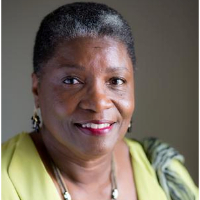
About Shirley
Shirley Louisor helps people navigate stress, anxiety, depression, and relationship struggles. She aims for clear, practical steps people can use right away. Shirley writes in a direct and calm way, and she focuses on helping people move forward through hard moments.
She brings 12 years of clinical experience and holds a Master’s degree in counseling from Regent University. Shirley practices as a Licensed Mental Health Counselor, LMHC, in Florida and also holds a Licensed Professional Counselor, LPC, credential in Virginia.
Background and approach
Her background includes outpatient therapy, school-based work, intensive in-home services, and group facilitation. Shirley uses straightforward, collaborative methods. Sessions often focus on identifying small changes that make daily life easier.
She uses conversation, practical exercises, and goal setting so people leave with usable tools. Her work touches on addictions, trauma and abuse, grief, intimacy-related concerns, self-esteem, bipolar disorder, and coping with life changes. She also addresses parenting challenges, blended family dynamics, caregiver stress, aging and geriatric issues, and communication problems.
Multicultural concerns and experiences of prejudice and discrimination are included in her focus areas. Shirley blends Client-Centered Therapy, Cognitive Behavioral Therapy, Motivational Interviewing, Narrative Therapy, and Solution-Focused Therapy depending on what a person needs. Her sessions are intended to be collaborative and paced to each person’s goals.
She aims to help people build skills they can use after sessions end.
Approaches that guide online sessions
Client-Centered Therapy focuses on listening and responding to what the person brings. The therapist follows the person’s lead and helps them explore their concerns at their own pace, which works well for building self-understanding and confidence.Cognitive Behavioral Therapy, or CBT, helps people spot unhelpful thoughts and try different, practical behaviors. It is often used for anxiety, depression, stress, and coping with life changes because it emphasizes skill building and short-term goals.
Motivational Interviewing helps when someone feels stuck about making a change. The therapist asks questions that clarify a person’s own reasons for change and supports small steps toward those goals.
Finding the right approach is part of the work. The therapist will talk with each person about their needs, goals, and preferences and then suggest which approaches to try. This is a collaborative process that can shift as progress is made.
Online therapy provides several practical benefits. Video calls let people see facial cues and have a full conversation. Phone sessions are useful when bandwidth is limited or when someone prefers not to be on camera. Live chat and text-based messaging make it easy to check in between sessions or fit a brief session into a busy day. These options make scheduling more flexible and help people keep continuity of care despite busy lives.
Questions people ask
What concerns does Shirley commonly address
How would you describe her therapeutic style
What is her professional background
Which credentials and location are listed
In what language are sessions offered
What session formats are available
How is cost handled
How do I begin working with her
What this counselor works with
Most often
- Stress, Anxiety
- Addictions
- Parenting issues
Also listed
Therapeutic approaches
- Experience
- 12 years
- Licensed
- Florida, Virginia
- Languages
- English