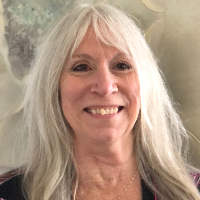
About Lynne
Lynne Campbell is a Licensed Professional Counselor (LPC) with 11 years working in mental health. She holds graduate degrees in clinical counseling and human resources administration and brings that mix into conversations about stress, work pressure, and life transitions. Lynne keeps sessions straightforward and practical.
She listens first, then helps people name what matters most. Sessions focus on small changes that add up to relief from anxiety, depression, or overwhelming stress.
Background and approach
Her background includes outpatient clinics and work with older adults in assisted living. That range informs how she talks about grief, aging, mood shifts, and problems that come from long-term patterns in relationships or family of origin issues.
She draws from approaches such as cognitive behavioral therapy, acceptance and commitment therapy, attachment-based work, client-centered methods, and EMDR when trauma is a core concern. Lynne adapts what she uses to each person instead of relying on a single method. People who reach out can expect a calm, collaborative style.
The goal is clearer thinking, fewer stuck patterns, and steps that fit everyday life. Sessions may include practical exercises, thought work, or guided processing for painful memories. Her practice serves adults dealing with relationship strain, career stresses, identity concerns, bipolar mood challenges, obsessions or compulsions, and other mood or adjustment problems.
Sessions are offered through video, phone, live chat, and messaging for convenience.
Approaches you can use online
Acceptance and Commitment Therapy (ACT) helps people notice thoughts without getting stuck in them and identify values to guide small, meaningful actions. It is often used for anxiety, low mood, and life changes. Cognitive Behavioral Therapy (CBT) focuses on how thoughts, feelings, and behaviors connect; sessions often include practical exercises to test unhelpful beliefs and build new habits. Eye Movement Desensitization and Reprocessing (EMDR) supports processing distressing memories through structured steps when trauma or past events remain painful.Choosing the best approach is a collaborative process. The therapist will talk with you about your goals, symptoms, and daily routine, and then suggest methods that fit those needs. If one approach isn’t helping, adjustments are made together so the work stays practical and relevant.
Online therapy offers flexibility for different schedules and needs. Video calls let you use visual cues and more in-depth exercises. Phone sessions can be easier when bandwidth is limited or for quick check-ins. Live chat and text messaging work well for brief updates, in-the-moment coping, or maintaining progress between sessions. These options make it possible to keep therapy going when life is busy or travel is difficult.
Questions people ask
What kinds of problems does she help with?
What is her therapeutic style like?
What experience does she bring to sessions?
Where is she licensed and based?
Are sessions offered in other languages?
Which session formats are available?
How does payment and cost work?
How do I begin therapy with her?
What this counselor works with
Also listed
- Aging and geriatric issues
- Attachment issues
- Bipolar disorder
- Career difficulties
- Codependency
- Commitment issues
- Coping with life changes
- Depression
- Divorce and separation
- Family of origin issues
- Grief
- Guilt and shame
- Intimacy-related issues
- Midlife crisis
- Mood disorders
- Obsessions, compulsions, and OCD
- Post-traumatic stress
- Relationship issues
- Seasonal Affective Disorder (SAD)
- Social anxiety and phobia
- Workplace issues
Therapeutic approaches
- Experience
- 11 years
- Licensed
- Michigan
- Languages
- English