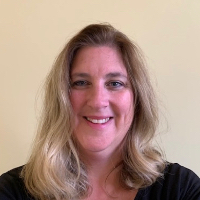
About Tara
Tara Parisi brings a practical, person-focused style to therapy. She uses a client-centered approach and clear, goal-oriented techniques to help people manage anxiety, stress, relationship and parenting challenges. Tara holds MA LMHC and ME LCPC and works from New Hampshire, drawing on 24 years of clinical experience.
Her sessions begin with listening. She asks about the worries and goals that matter most. From there she helps people build small, doable steps to reduce anxiety, manage anger, and improve communication with partners or family members.
Background and approach
Tara blends Cognitive Behavioral Therapy with narrative ideas to help people spot unhelpful thoughts and rewrite stories that hold them back. She also draws on solution-focused and trauma-focused methods when addressing trauma, panic, obsessions, or life transitions. The work is concrete and paced to each person’s needs.
She often supports parents who feel overwhelmed, people coping with career changes, and those repairing trust or intimacy concerns. Common topics include grief, family of origin issues, divorce and separation, caregiver stress, and struggles with self-esteem. Tara aims for a down-to-earth, empathetic tone in sessions.
She listens without judgment and uses humor when it fits. She encourages honest feedback so therapy feels like a good fit, and she will help people find other resources if a different approach would work better for them.
How Tara’s approaches work online
Tara commonly uses Client-Centered Therapy and Cognitive Behavioral Therapy in her work. Client-Centered Therapy focuses on listening closely and reflecting what matters most to the person, helping them build on their own strengths and choices. Cognitive Behavioral Therapy looks at how thoughts, feelings, and behaviors connect and teaches practical skills to reduce anxiety, manage panic, and address mood or compulsive patterns.She also draws on Trauma-Focused and solution-focused ideas when needed. The therapist will work together with the client to decide which approach fits best for their goals and situation, adjusting methods as progress is made. This is a collaborative process where preferences and real-life needs guide the plan.
Online formats include video calls, phone sessions, live chat, and text-based messaging. Video calls are useful for deeper conversations and body language cues. Phone sessions are helpful when bandwidth or camera use is difficult. Live chat and text messaging allow shorter check-ins, quick coping prompts, or ongoing support between sessions. These options make therapy more flexible and easier to fit around work, parenting, or other commitments.
Questions people ask
What kinds of concerns does she help with?
What is her therapeutic style like?
How much clinical experience does she have?
Where is she based and what are her credentials?
Which languages are supported for sessions?
What session formats are available?
How is cost handled?
How do I begin the process?
What this counselor works with
Most often
- Stress, Anxiety
- Relationship issues
- Family conflicts
Also listed
- ADHD
- Anger management
- Career difficulties
- Caregiver issues and stress
- Commitment issues
- Communication problems
- Control issues
- Coping with life changes
- Divorce and separation
- Emptiness
- Family of origin issues
- Family problems
- Forgiveness
- Guilt and shame
- Intimacy-related issues
- Isolation / loneliness
- Jealousy
- Mood disorders
- Obsessions, compulsions, and OCD
- Panic disorder and panic attacks
- Parenting issues
- Post-traumatic stress
- Postpartum depression
- Self esteem
- Self-love
- Social anxiety and phobia
- Trauma and abuse
- Women's issues
- Workplace issues
Therapeutic approaches
- Experience
- 24 years
- Licensed
- Massachusetts, New Hampshire, Maine
- Languages
- English