
Ruth Vanden Bosch, LPC
Michigan · 25 yrs exp
Works with Stress, Anxiety / LGBT / Relationship +11
Works by Attachment-Based Therapy / Cognitive Behavioral Therapy (CBT)
View ProfileThe therapist listings are provided by BetterHelp and we will earn a commission if you use our link - at no cost to you.
This page lists licensed professional counselors who work with fertility issues across the United States. You can browse profiles of counselors who hold LPC, LPCC, or LCPC credentials and learn about their focus areas and approaches below.
Use the listings to explore counselors by location, language, and experience to help you decide who might be a good fit for the kind of support you want.
Michigan · 25 yrs exp
Works with Stress, Anxiety / LGBT / Relationship +11
Works by Attachment-Based Therapy / Cognitive Behavioral Therapy (CBT)
View Profile
Maine · 12 yrs exp
Works with Stress, Anxiety / Self esteem / Depression +17
Works by Client-Centered Therapy / Cognitive Behavioral Therapy (CBT)
View Profile
Mississippi · 16 yrs exp
Works with Stress, Anxiety / Relationship / Family +7
Works by Cognitive Behavioral Therapy (CBT) / Gottman Method
View Profile
Maryland · 6 yrs exp
Works with Stress, Anxiety / Trauma and abuse / Self esteem +11
Works by Attachment-Based Therapy / Client-Centered Therapy
View Profile
Texas · 22 yrs exp
Works with Stress, Anxiety / Grief / Career +10
Works by Client-Centered Therapy / Cognitive Behavioral Therapy (CBT)
View Profile
Texas · 10 yrs exp
Works with Stress, Anxiety / Relationship / Family +15
Works by Acceptance and Commitment Therapy (ACT) / Attachment-Based Therapy
View Profile
Colorado · 11 yrs exp
Works with Stress, Anxiety / LGBT / Trauma and abuse +16
Works by Acceptance and Commitment Therapy (ACT) / Client-Centered Therapy
View Profile
Texas · 22 yrs exp
Works with Stress, Anxiety / Relationship / Trauma and abuse +17
Works by Acceptance and Commitment Therapy (ACT) / Attachment-Based Therapy
View Profile
Texas · 25 yrs exp
Works with Stress, Anxiety / Family / Intimacy-related issues +16
Works by Attachment-Based Therapy / Client-Centered Therapy
View Profile
Texas · 10 yrs exp · 2 languages
Works with Stress, Anxiety / Relationship / Anger +17
Works by Cognitive Behavioral Therapy (CBT) / Solution-Focused Therapy
View Profile
Missouri · 17 yrs exp
Works with Stress, Anxiety / Addictions / Relationship +10
Works by Attachment-Based Therapy / Client-Centered Therapy
View Profile
Michigan · 13 yrs exp
Works with Stress, Anxiety / Addictions / Trauma and abuse +17
Works by Acceptance and Commitment Therapy (ACT) / Client-Centered Therapy
View Profile
Texas · 13 yrs exp · 2 languages
Works with Stress, Anxiety / Grief / Coping with life changes +2
View Profile
Nevada · 10 yrs exp
Works with Stress, Anxiety / Trauma and abuse / Parenting +16
Works by Attachment-Based Therapy / Client-Centered Therapy
View Profile
Texas · 11 yrs exp
Works with Stress, Anxiety / Relationship / Family +14
Works by Acceptance and Commitment Therapy (ACT) / Client-Centered Therapy
View Profile
Kansas · 35 yrs exp
Works with Stress, Anxiety / Trauma and abuse / Grief +14
Works by Acceptance and Commitment Therapy (ACT) / Cognitive Behavioral Therapy (CBT)
View Profile
Arkansas · 13 yrs exp
Works with Stress, Anxiety / Relationship / Trauma and abuse +14
Works by Acceptance and Commitment Therapy (ACT) / Attachment-Based Therapy
View Profile
Oklahoma · 9 yrs exp
Works with Stress, Anxiety / Anger / Self esteem +17
Works by Acceptance and Commitment Therapy (ACT) / Attachment-Based Therapy
View Profile
Illinois · 30 yrs exp
Works with Stress, Anxiety / Relationship / Family +13
Works by Acceptance and Commitment Therapy (ACT) / Attachment-Based Therapy
View Profile
Missouri · 8 yrs exp
Works with Stress, Anxiety / Addictions / LGBT +16
Works by Client-Centered Therapy / Cognitive Behavioral Therapy (CBT)
View Profile
Colorado · 18 yrs exp
Works with Stress, Anxiety / Addictions / Relationship +16
Works by Client-Centered Therapy / Cognitive Behavioral Therapy (CBT)
View Profile
Oklahoma · 25 yrs exp
Works with Stress, Anxiety / Family / Trauma and abuse +16
Works by Client-Centered Therapy / Cognitive Behavioral Therapy (CBT)
View Profile
Georgia · 29 yrs exp
Works with Stress, Anxiety / Self esteem / Depression +14
Works by Acceptance and Commitment Therapy (ACT) / Client-Centered Therapy
View Profile
New Mexico · 35 yrs exp
Works with Addictions / Relationship / Parenting +13
View Profile
Michigan · 18 yrs exp
Works with Relationship / Trauma and abuse / Grief +2
Works by Client-Centered Therapy / Narrative Therapy
View Profile
Pennsylvania · 28 yrs exp
Works with Addictions / Relationship / Family +4
Works by Acceptance and Commitment Therapy (ACT) / Attachment-Based Therapy
View Profile
Kentucky · 15 yrs exp · 2 languages
Works with Stress, Anxiety / Relationship / Family +17
Works by Acceptance and Commitment Therapy (ACT) / Client-Centered Therapy
View Profile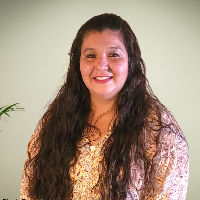
Texas · 13 yrs exp
Works with Stress, Anxiety / Family / Trauma and abuse +14
Works by Client-Centered Therapy / Cognitive Behavioral Therapy (CBT)
View Profile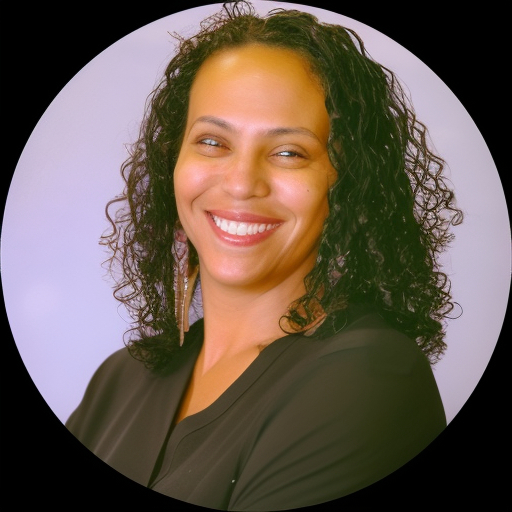
New Jersey · 25 yrs exp
Works with Stress, Anxiety / Addictions / Trauma and abuse +13
Works by Acceptance and Commitment Therapy (ACT) / Attachment-Based Therapy
View Profile
South Carolina · 7 yrs exp
Works with Stress, Anxiety / Self esteem / Depression +10
Works by Client-Centered Therapy / Cognitive Behavioral Therapy (CBT)
View Profile
Mississippi · 15 yrs exp
Works with Stress, Anxiety / Relationship / Family +15
Works by Acceptance and Commitment Therapy (ACT) / Client-Centered Therapy
View Profile
Texas · 30 yrs exp
Works with Stress, Anxiety / Addictions / Relationship +14
Works by Attachment-Based Therapy / Client-Centered Therapy
View Profile
Georgia · 18 yrs exp
Works with Stress, Anxiety / Relationship / Family +17
Works by Client-Centered Therapy / Cognitive Behavioral Therapy (CBT)
View Profile
Oklahoma · 22 yrs exp
Works with Stress, Anxiety / Self esteem / Depression +10
Works by Attachment-Based Therapy / Client-Centered Therapy
View Profile
Texas · 10 yrs exp
Works with Stress, Anxiety / Trauma and abuse / Anger +14
Works by Client-Centered Therapy / Cognitive Behavioral Therapy (CBT)
View Profile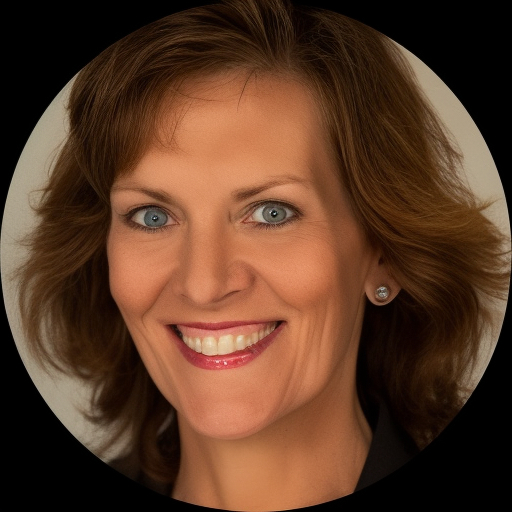
Michigan · 4 yrs exp
Works with Stress, Anxiety / Addictions / Relationship +13
Works by Client-Centered Therapy / Cognitive Behavioral Therapy (CBT)
View Profile
Texas · 17 yrs exp
Works with Stress, Anxiety / Relationship / Grief +13
Works by Client-Centered Therapy / Cognitive Behavioral Therapy (CBT)
View Profile
Michigan · 22 yrs exp
Works with Stress, Anxiety / Grief / Anger +17
Works by Acceptance and Commitment Therapy (ACT) / Attachment-Based Therapy
View Profile
Idaho · 6 yrs exp
Works with Stress, Anxiety / Trauma and abuse / Anger +2
Works by Client-Centered Therapy / Cognitive Behavioral Therapy (CBT)
View Profile
Louisiana · 8 yrs exp
Works with Stress, Anxiety / Relationship / Trauma and abuse +11
Works by Client-Centered Therapy / Cognitive Behavioral Therapy (CBT)
View Profile
Wisconsin · 8 yrs exp
Works with Stress, Anxiety / Anger / Depression +12
Works by Client-Centered Therapy / Cognitive Behavioral Therapy (CBT)
View Profile
Texas · 8 yrs exp · 2 languages
Works with Stress, Anxiety / Relationship / Trauma and abuse +13
Works by Cognitive Behavioral Therapy (CBT) / Solution-Focused Therapy
View Profile
Tennessee · 20 yrs exp
Works with Stress, Anxiety / Addictions / Trauma and abuse +17
Works by Client-Centered Therapy / Cognitive Behavioral Therapy (CBT)
View Profile
Texas · 20 yrs exp
Works with Stress, Anxiety / Anger / Self esteem +16
Works by Client-Centered Therapy / Cognitive Behavioral Therapy (CBT)
View Profile
Louisiana · 8 yrs exp
Works with Stress, Anxiety / Grief / Depression +13
Works by Client-Centered Therapy / Cognitive Behavioral Therapy (CBT)
View Profile
Texas · 5 yrs exp
Works with Stress, Anxiety / Relationship / Grief +4
View Profile
Georgia · 15 yrs exp
Works with Stress, Anxiety / Relationship / Grief +12
View Profile
Texas · 9 yrs exp
Works with Stress, Anxiety / Relationship / Bipolar +14
Works by Attachment-Based Therapy / Client-Centered Therapy
View ProfileFertility issues include a wide range of experiences that touch reproductive health, family planning, and the emotional landscape around trying to conceive. For some people, challenges are medical in origin - such as ovulatory disorders, low sperm count, or repeated pregnancy loss. For others, fertility concerns intersect with life decisions around timing, relationship dynamics, career, or financial stress. Fertility questions also arise in the context of assisted reproductive options, donor conception, surrogacy, or decision-making about adoption. Whatever the pathway, fertility issues commonly carry an emotional weight that can affect mood, relationships, sexual intimacy, and your sense of identity.
Licensed professional counselors who work with fertility issues are trained and licensed under state boards. Their licenses go by different names depending on where you live: LPC in most states, LPCC in states such as Ohio, California, Kentucky, and Minnesota, and LCPC in states such as Illinois, Maryland, and Montana. The exact title and requirements vary by state, and in some jurisdictions titles exist side by side with different scopes or stages of licensure. The consistent element is that these counselors completed a counseling master’s degree, a state-set period of supervised postgraduate clinical experience often running two to three years and several thousand hours, and a national examination before licensure.
You might consider seeking support if you find that fertility-related stress is interfering with daily functioning, relationships, or emotional balance. You may notice persistent feelings of sadness, anxiety, anger, or grief that do not ease over time. Sleep, appetite, or concentration changes tied to fertility concerns are another indicator that additional help could be useful. Relationship strain is common when fertility efforts involve differing timelines or expectations - if communication has become difficult, counseling can offer a space to process those dynamics. You may also want support to weigh complex decisions about treatment options, donor conception, or alternatives to biological parenting, and to manage the practical and emotional implications of long-term treatment plans.
Counseling is not limited to people who are actively pursuing fertility treatments. It can help partners, individuals, and nontraditional family structures to process loss, grief, identity shifts, or changes in life goals. If you feel isolated because friends or family do not understand what you are going through, a counselor can provide a consistent person to talk with as you move through different stages of decision-making and adjustment.
When you begin working with a licensed professional counselor about fertility issues, the early sessions typically involve an intake conversation about your history, current stressors, relationship context, and what you hope to get from counseling. Your counselor will ask about medical history to the extent that it affects your emotional well-being, but the focus is on functioning, coping, and goals rather than producing a medical diagnosis. Over time, sessions often include exploring how fertility concerns are affecting your mood and relationships, developing coping strategies for stressors such as treatment cycles or waiting periods, and identifying patterns of thought and behavior that heighten distress.
You can expect a collaborative process in which you and the counselor set goals together. Some people seek short-term support to navigate a specific decision or treatment phase, while others appreciate ongoing counseling through multiple cycles, pregnancy, or the transition to other family-building choices. Sessions may include partner or family visits when relationship dynamics or communication issues are a central concern. Counselors aim to offer a supportive environment where you can express complex emotions, create practical plans for stress management, and practice new ways of communicating with loved ones.
Counselors who work with fertility issues often coordinate with medical providers if you request it, keeping in mind that the counseling role is to support emotional coping and adjustment. Because licensure and practice are governed by state boards, the scope of counseling remains distinct from medical care. You should feel free to ask a counselor how they typically communicate with other providers and whether they have experience working alongside reproductive endocrinologists, nurses, or other members of a fertility care team.
Therapists listed in this directory bring a range of approaches to fertility work. Some counselors describe themselves as practicing cognitive-behavioral methods that focus on identifying and shifting unhelpful thought patterns that maintain anxiety. Others list emotionally focused or interpersonal approaches that concentrate on attachment, communication, and relationship repair. You may also find counselors who list mind-body or stress-reduction techniques among their approaches, and who help clients develop routines for relaxation and coping during treatment cycles. When a profile mentions specific modalities, it means the counselor identifies that approach among those they use; it does not prove formal certification or specific training credentials.
Because the counselor credential on this site indicates state licensure rather than a single method, you can prioritize what matters most to you - whether that is experience with perinatal loss, familiarity with assisted reproductive technologies, comfort working with diverse family structures, or languages spoken. If a particular therapeutic label resonates with you, look for counselors who list that approach among their focus areas rather than assuming the credential itself indicates training in it.
Online counseling has become a common way to access licensed professional counselors for fertility-related support. Through video or phone sessions, you can speak with a counselor from home during a treatment cycle, while traveling for care, or when local options are limited. Online counseling can make scheduling easier around clinic visits and medications, and it often allows you to maintain continuity of care when you move between regions. Keep in mind that licensure is state-specific, so counselors on this directory are licensed under state boards; when you choose online services, you may want to confirm that the counselor is licensed to practice in the state where you will be receiving services.
When choosing a counselor for fertility issues, start by clarifying what you want from counseling. Do you want help processing grief, support during active treatment, communication coaching for you and a partner, or assistance making long-term family decisions? Use profile details to compare focus areas, listed approaches, languages, and relevant experience. Look for counselors who mention working with fertility-related stress, perinatal or reproductive loss, or family-building decisions if those issues match your needs. It is also reasonable to consider practical fit - such as session format and whether you prefer in-person sessions when available or remote sessions for convenience - while remembering that this directory reports licensure and profile information rather than operational details.
Finally, trust your sense of comfort when reading profiles. Counseling is an interpersonal process, and matching with a counselor whose experience and approach align with your expectations increases the chance that you will feel heard and supported as you navigate fertility challenges. Take the time to read profiles closely, note the credentials and licensure designations, and use the listings to identify counselors who seem prepared to work with the specific emotional and practical aspects of your situation.
Alabama
238 therapists
Alaska
20 therapists
Arizona
196 therapists
Arkansas
116 therapists
California
174 therapists
Colorado
346 therapists
Connecticut
79 therapists
Delaware
4 therapists
District of Columbia
26 therapists
Florida
152 therapists
Georgia
623 therapists
Hawaii
5 therapists
Idaho
90 therapists
Illinois
383 therapists
Indiana
22 therapists
Iowa
11 therapists
Kansas
41 therapists
Kentucky
128 therapists
Louisiana
310 therapists
Maine
42 therapists
Maryland
174 therapists
Massachusetts
5 therapists
Michigan
318 therapists
Minnesota
117 therapists
Mississippi
151 therapists
Missouri
388 therapists
Montana
78 therapists
Nebraska
12 therapists
Nevada
36 therapists
New Hampshire
7 therapists
New Jersey
261 therapists
New Mexico
61 therapists
New York
32 therapists
North Carolina
89 therapists
North Dakota
12 therapists
Ohio
281 therapists
Oklahoma
278 therapists
Oregon
89 therapists
Pennsylvania
523 therapists
Rhode Island
4 therapists
South Carolina
281 therapists
South Dakota
28 therapists
Tennessee
143 therapists
Texas
1899 therapists
Utah
19 therapists
Vermont
8 therapists
Virginia
287 therapists
Washington
19 therapists
West Virginia
46 therapists
Wisconsin
210 therapists
Wyoming
45 therapists