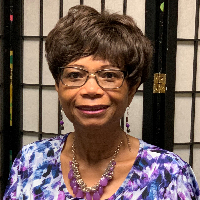
Amelia Williams, LPCC, LMHC
Indiana · 25 yrs exp
Works with Stress, Anxiety / Relationship / Family +10
Works by Cognitive Behavioral Therapy (CBT) / Mindfulness Therapy
View ProfileThe therapist listings are provided by BetterHelp and we will earn a commission if you use our link - at no cost to you.
Welcome to our directory of online counselors serving Indiana. All therapists listed here hold a current license as a Licensed Professional Counselor (LPC), LPCC, or LCPC. Explore individual profiles to review credentials, approaches, languages, and experience before deciding whom to contact.
Indiana · 25 yrs exp
Works with Stress, Anxiety / Relationship / Family +10
Works by Cognitive Behavioral Therapy (CBT) / Mindfulness Therapy
View Profile
Indiana · 9 yrs exp
Works with Stress, Anxiety / Addictions / LGBT +11
Works by Client-Centered Therapy / Cognitive Behavioral Therapy (CBT)
View Profile
Indiana · 26 yrs exp
Works with Stress, Anxiety / Relationship / Family +8
Works by Acceptance and Commitment Therapy (ACT) / Client-Centered Therapy
View Profile
Indiana · 15 yrs exp
Works with Stress, Anxiety / Anger / Self esteem +9
Works by Acceptance and Commitment Therapy (ACT) / Attachment-Based Therapy
View Profile
Indiana · 7 yrs exp
Works with Stress, Anxiety / Self esteem / Career +2
View Profile
Indiana · 19 yrs exp
Works with Relationship / Family / Trauma and abuse +15
Works by Client-Centered Therapy / Cognitive Behavioral Therapy (CBT)
View Profile
Indiana · 24 yrs exp
Works with Stress, Anxiety / Relationship / Self esteem +12
Works by Client-Centered Therapy / Cognitive Behavioral Therapy (CBT)
View Profile
Indiana · 35 yrs exp
Works with Stress, Anxiety / Anger / Self esteem +11
Works by Client-Centered Therapy / Cognitive Behavioral Therapy (CBT)
View Profile
Indiana · 6 yrs exp
Works with Stress, Anxiety / Self esteem / Coping with life changes +2
View Profile
Indiana · 5 yrs exp · 2 languages
Works with Stress, Anxiety / Family / Parenting +11
Works by Cognitive Behavioral Therapy (CBT) / Mindfulness Therapy
View Profile
Indiana · 12 yrs exp
Works with Stress, Anxiety / Relationship / Trauma and abuse +11
Works by Client-Centered Therapy / Cognitive Behavioral Therapy (CBT)
View Profile
Indiana · 6 yrs exp
Works with Stress, Anxiety / Addictions / Trauma and abuse +6
View Profile
Indiana · 15 yrs exp
Works with Stress, Anxiety / Self esteem / Depression +11
Works by Client-Centered Therapy / Cognitive Behavioral Therapy (CBT)
View Profile
Indiana · 22 yrs exp
Works with Relationship / Family / Self esteem +5
Works by Attachment-Based Therapy / Client-Centered Therapy
View Profile
Indiana · 14 yrs exp
Works with Stress, Anxiety / Relationship / Trauma and abuse +2
Works by Acceptance and Commitment Therapy (ACT) / Client-Centered Therapy
View Profile
Indiana · 8 yrs exp
Works with Stress, Anxiety / Grief / Depression +6
Works by Cognitive Behavioral Therapy (CBT) / Motivational Interviewing
View Profile
Indiana · 13 yrs exp · 2 languages
Works with Stress, Anxiety / Relationship / Trauma and abuse +2
Works by Client-Centered Therapy / Existential Therapy
View Profile
Indiana · 27 yrs exp
Works with Stress, Anxiety / Addictions / Trauma and abuse +15
Works by Acceptance and Commitment Therapy (ACT) / Client-Centered Therapy
View Profile
Indiana · 3 yrs exp
Works with Stress, Anxiety / Trauma and abuse / Self esteem +2
View Profile
Indiana · 14 yrs exp
Works with Stress, Anxiety / Relationship / Trauma and abuse +2
View Profile
Indiana · 17 yrs exp
Works with Stress, Anxiety / Grief / Self esteem +2
View Profile
Indiana · 7 yrs exp
Works with Stress, Anxiety / Relationship / Trauma and abuse +2
View ProfileIf you are looking for a counselor who holds an LPC licensure, it helps to know what that credential means and how online services are provided in Indiana. Licensed Professional Counselors are professionals who completed a master’s degree in counseling or a closely related field, followed by a period of supervised postgraduate clinical work and a national licensing exam. The title for this licensure varies across states - some states use LPCC or LCPC - but on this site listings reflect counselors who hold one of those state-specific titles where applicable. In Indiana, the counselor you work with should be licensed by the state board that issues and renews counseling licenses, and many counselors list that licensure on their profiles.
Online sessions are an increasingly common way to meet with a licensed counselor. The regulations that govern how counselors practice online are set by the state board, so online services offered by counselors who hold an Indiana license are provided under Indiana rules. If you live in Indiana and plan to meet with a counselor online, it is typical to work with someone licensed to practice in Indiana. The profiles below focus on counselors who hold the professional counseling license that applies in the states where they practice, and the listing information highlights credentials and experience rather than making claims about outcomes.
Online sessions with a licensed professional counselor can make it easier for you to fit counseling into your life. You may find that online meetings reduce travel time, allowing more flexibility with work, school, parenting, or other commitments. For people who live in rural parts of Indiana or who face mobility limitations, online sessions can broaden the pool of counselors you can consider without requiring long commutes. The convenience of meeting from home or another convenient location is a practical reason many people choose online care.
Licensed professional counselors are trained with a wellness and developmental orientation, which means they focus on how you are functioning and what you want to work toward, rather than only on diagnostic labels. That training can make online sessions feel focused on goals, coping strategies, and everyday improvements. Counselors often discuss session structure, goals, and how you’ll measure progress so that the online format supports sustained work. When preparing for online sessions it is helpful to plan a quiet moment and a private space where you can speak freely during each meeting.
Counselors who hold an LPC, LPCC, or LCPC commonly work with a wide range of concerns. People often seek counseling for anxiety, depression, relationship stress, life transitions such as job changes or divorce, grief, and parenting challenges. Licensed professional counselors also support people navigating career decisions, academic stress, identity and cultural concerns, and adjustment to medical conditions. Many counselors list specialization areas on their profiles so you can see who describes experience with the issues that matter to you.
Some counselors note that they work with specific populations such as adolescents, young adults, couples, or older adults. Others indicate languages spoken or cultural competencies that may be relevant if you prefer counseling in a language other than English or from someone with particular cultural experience. When profiles list intervention styles or methods, remember that the directory records what therapists list among their approaches; it does not verify specific training. A prudent approach is to look for counselors who describe experience with your presenting concern and to ask specific questions about how they structure work in the first conversation.
Verifying that a clinician holds an active counseling license in Indiana is an important step. Start with the counselor’s full name as listed on their profile. Then consult the Indiana state licensing board’s online license lookup tool to confirm licensure status, license type, license number, and expiration date. The state record will also note any disciplinary actions or administrative status that are part of the public record. If a counselor lists a license from another state, you can check that state’s board as well to understand cross-state licensure, but remember that practicing across state lines is governed by state rules.
Licensure for professional counselors follows a common framework nationwide: a master’s degree in counseling or a related field, a supervised postgraduate clinical experience commonly running two to three years and totaling several thousand hours, and passing a national examination. The title varies: in most states the credential is called Licensed Professional Counselor or LPC, in some states it appears as Licensed Professional Clinical Counselor or LPCC, and in others as Licensed Clinical Professional Counselor or LCPC. Where these different titles exist, they reflect state naming conventions and regulatory structures rather than a different profession. In states where both LPC and LPCC appear, the clinical title sometimes denotes a separately regulated stage that requires additional supervised practice under that state’s rules. Understanding the state board record will give you the clearest information about what a specific license permits and how it is renewed.
Getting started with an online counselor begins with clarifying what you want from counseling. Think about the issues you want to address, how you prefer to meet (video, phone, or a mix), any language needs, and whether insurance, cost, or sliding scale options matter to you. Review profiles to note licensure, years of experience, areas of focus, and the ways counselors describe their work. Profiles often indicate the populations a counselor commonly works with and the languages they speak, which can help you narrow your search to practitioners who match your preferences.
When you contact a counselor to learn more, consider asking about how they typically structure an initial session, what goals they prioritize with clients who present with concerns similar to yours, and how they measure progress. You can also ask about typical session length, fee structures, and what technology they use for online meetings. It is reasonable to ask about a counselor’s experience with your particular situation, such as working with adolescents, couples, trauma-related concerns, or life transitions. If cultural perspective matters to you, ask about cross-cultural experience and language skills. Choosing a counselor is often about fit as much as formal credentials, so pay attention to how a counselor describes their approach and whether that description resonates with you.
Finally, plan a first session with realistic expectations. The first few meetings are usually an opportunity to set goals, build rapport, and decide whether the counselor’s way of working matches your needs. If you decide to continue, regular sessions and periodic check-ins about progress will help you see whether your goals are being met. Use the directory to compare focus areas, approaches, credentials, languages, and experience when reviewing profiles, and reach out to counselors to ask the practical questions that matter for your situation. The profiles below are a place to begin that process and to learn more about licensed professional counselors serving Indiana online.
Addictions
3943 therapists
ADHD
3458 therapists
Anger
4910 therapists
Bipolar
3276 therapists
Chronic Illness
1400 therapists
Chronic Pain
1400 therapists
Compulsion
1793 therapists
Control Issues
3405 therapists
Depression
7562 therapists
Disaster Relief Therapy
1589 therapists
Dissociation
1024 therapists
Domestic Violence
1847 therapists
Eating Disorders
1431 therapists
Gambling
1264 therapists
Grief
5423 therapists
Guilt and Shame
5249 therapists
Impulsivity
2930 therapists
Intimacy Issues
3246 therapists
Isolation / Loneliness
4674 therapists
Midlife Crisis
2791 therapists
Mood Disorders
3964 therapists
Obsession
1793 therapists
OCD
1793 therapists
Panic Disorder and Panic Attacks
3557 therapists
Phobias
1231 therapists
Post-Traumatic Stress
4486 therapists
Postpartum Depression
1885 therapists
Seasonal Affective Disorder (SAD)
2404 therapists
Self Esteem
7264 therapists
Self-Harm
2045 therapists
Sexual Trauma
1893 therapists
Sleeping Disorders
1660 therapists
Social Anxiety and Phobia
4660 therapists
Stress & Anxiety
8411 therapists
Trauma and Abuse
6190 therapists
Abandonment
3127 therapists
Adoption
1317 therapists
Aging and Geriatric Issues
1699 therapists
Attachment Issues
3292 therapists
Blended Family Issues
2427 therapists
Body Image
2333 therapists
Career
3991 therapists
Caregiver Issues and Stress
3313 therapists
Codependency
3031 therapists
Commitment Issues
2290 therapists
Communication Problems
5958 therapists
Compassion Fatigue
3358 therapists
Coping with Life Changes
6589 therapists
Divorce
3745 therapists
Family
5339 therapists
Family of Origin Issues
2406 therapists
Fatherhood Issues
1380 therapists
Fertility Issues
728 therapists
First Responder Issues
1582 therapists
Forgiveness
4945 therapists
Foster Care
1317 therapists
Hospice and End-of-Life Counseling
1084 therapists
Infidelity
2182 therapists
Jealousy
2050 therapists
Life Purpose
5444 therapists
Money and Financial Issues
1848 therapists
Parenting
4437 therapists
Pregnancy
1419 therapists
Relationship
6494 therapists
Self-Love
5538 therapists
Separation
3745 therapists
Sexuality
1706 therapists
Workplace Issues
3701 therapists