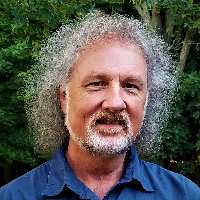
About David
David Kurfman is a licensed mental health counselor and licensed professional counselor practicing in Indiana. He has 35 years of experience helping people handle stress, anxiety, depression, anger, and difficulties with self-esteem. He also supports people facing addictions, grief, trauma and abuse, parenting strain, and the challenges of mood disorders and ADHD.
He uses straightforward conversation to help people sort out what feels overwhelming. Sessions focus on clear goals, practical coping skills, and understanding patterns that keep problems going.
Background and approach
David aims to make sessions feel like a steady, calm place to talk things through. His background spans many therapeutic styles, and he draws from different approaches to match what each person needs. That can mean identifying unhelpful thoughts, looking at early life patterns, or building step-by-step solutions for current problems.
The work is adapted to the person rather than following a fixed formula. People often come with relationship stress, family problems, or the effects of past trauma. David pays attention to how emotions, behavior, and life events connect.
He also helps with practical issues like panic attacks, impulsivity, and the stress that comes from caregiving or compassion fatigue. Clients can expect sessions offered by video calls, phone, live chat, or text-based messaging. He works in English and accepts international clients.
To begin, someone completes a short matching questionnaire and schedules based on availability.
How therapeutic approaches translate to online care
Client-Centered Therapy focuses on listening and responding to a person's experience without judgment. In practice this means the therapist follows the person's lead, offering empathy and reflection to help them make sense of feelings and choices. Cognitive Behavioral Therapy, or CBT, looks at how thoughts, feelings, and behaviors interact and teaches practical skills to change unhelpful patterns like panic attacks, anxiety, or low mood.Finding the right approach is a collaborative process. The therapist will discuss goals and preferences and adjust methods over time. Clients and the therapist work together to try approaches, notice what helps, and refine the plan based on results and comfort.
Online therapy offers practical flexibility. Video calls let people talk face to face from different locations. Phone sessions can work when bandwidth is low or when someone prefers not to use video. Live chat and text-based messaging support short check-ins, brief skills practice, or more frequent contact between longer sessions. These options can make it easier to fit therapy into a busy life and to keep momentum between appointments.
Questions people ask
What concerns does this therapist address?
What is the therapeutic style like?
How much clinical experience does he have?
What credentials and location are listed?
In which languages are sessions offered?
Which session formats are available?
How does cost and subscriptions work?
How do I begin working with him?
What this counselor works with
Most often
- Stress, Anxiety
- Anger management
- Self esteem
Also listed
- Addictions
- ADHD
- Adoption and foster care
- Bipolar disorder
- Compassion fatigue
- Coping with life changes
- Depression
- Emptiness
- Family conflicts
- Family problems
- Forgiveness
- Grief
- Guilt and shame
- Impulsivity
- Intellectual disability
- Mood disorders
- Panic disorder and panic attacks
- Parenting issues
- Post-traumatic stress
- Relationship issues
- Social anxiety and phobia
- Trauma and abuse
Therapeutic approaches
- Experience
- 35 years
- Licensed
- Indiana, Tennessee
- Languages
- English