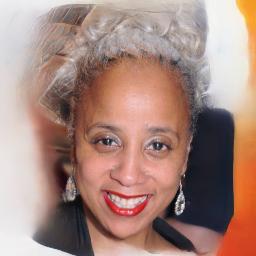
Cheryl Marrow, LPC, LMFT
District of Columbia · 25 yrs exp
Works with Addictions / Relationship / Family +5
Works by Client-Centered Therapy / Cognitive Behavioral Therapy (CBT)
View ProfileThe therapist listings are provided by BetterHelp and we will earn a commission if you use our link - at no cost to you.
Welcome to LPC Therapists' directory for online licensed professional counselors serving the District of Columbia. All therapists listed here hold a state-recognized counselor license such as LPC, LCPC, or LPCC. Browse profiles to compare credentials, areas of focus, approaches, languages, and experience.
District of Columbia · 25 yrs exp
Works with Addictions / Relationship / Family +5
Works by Client-Centered Therapy / Cognitive Behavioral Therapy (CBT)
View Profile
District of Columbia · 20 yrs exp
Works with Stress, Anxiety / LGBT / Grief +2
View Profile
District of Columbia · 19 yrs exp
Works with Addictions / LGBT / Relationship +12
Works by Acceptance and Commitment Therapy (ACT) / Client-Centered Therapy
View Profile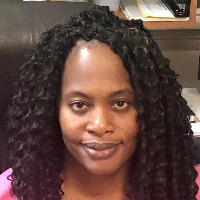
District of Columbia · 22 yrs exp
Works with Relationship / Family / Parenting +6
Works by Client-Centered Therapy / Cognitive Behavioral Therapy (CBT)
View Profile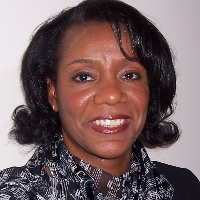
District of Columbia · 10 yrs exp
Works with Stress, Anxiety / Relationship / Grief +10
Works by Attachment-Based Therapy / Cognitive Behavioral Therapy (CBT)
View Profile
District of Columbia · 20 yrs exp
Works with Relationship / Family / Trauma and abuse +15
Works by Client-Centered Therapy / Cognitive Behavioral Therapy (CBT)
View Profile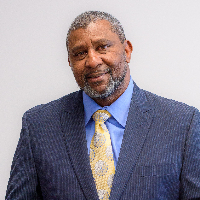
District of Columbia · 25 yrs exp
Works with Stress, Anxiety / Addictions / Family +14
Works by Client-Centered Therapy / Cognitive Behavioral Therapy (CBT)
View Profile
District of Columbia · 14 yrs exp
Works with Stress, Anxiety / Relationship / Trauma and abuse +11
Works by Attachment-Based Therapy / Client-Centered Therapy
View Profile
District of Columbia · 29 yrs exp
Works with Stress, Anxiety / Trauma and abuse / Anger +6
View Profile
District of Columbia · 26 yrs exp
Works with Stress, Anxiety / Trauma and abuse / Self esteem +8
Works by Client-Centered Therapy / Cognitive Behavioral Therapy (CBT)
View Profile
District of Columbia · 30 yrs exp
Works with Stress, Anxiety / Addictions / Trauma and abuse +16
Works by Client-Centered Therapy / Cognitive Behavioral Therapy (CBT)
View Profile
District of Columbia · 16 yrs exp
Works with Stress, Anxiety / Family / Trauma and abuse +2
View Profile
District of Columbia · 11 yrs exp
Works with Stress, Anxiety / Trauma and abuse / Grief +2
View Profile
District of Columbia · 25 yrs exp
Works with Stress, Anxiety / Relationship / Self esteem +2
View Profile
District of Columbia · 30 yrs exp
Works with Stress, Anxiety / Addictions / LGBT +4
Works by Client-Centered Therapy / Cognitive Behavioral Therapy (CBT)
View Profile
District of Columbia · 20 yrs exp
Works with Stress, Anxiety / Relationship / Self esteem +2
Works by Acceptance and Commitment Therapy (ACT) / Attachment-Based Therapy
View Profile
District of Columbia · 8 yrs exp
Works with Stress, Anxiety / Relationship / Family +2
View Profile
District of Columbia · 25 yrs exp
Works with Stress, Anxiety / LGBT / Family +2
View Profile
District of Columbia · 33 yrs exp
Works with Stress, Anxiety / Grief / Self esteem +2
Works by Client-Centered Therapy / Cognitive Behavioral Therapy (CBT)
View Profile
District of Columbia · 6 yrs exp
Works with Stress, Anxiety / Family / Parenting +1
View Profile
District of Columbia · 11 yrs exp
Works with Stress, Anxiety / Family / Trauma and abuse +2
View Profile
District of Columbia · 35 yrs exp
Works with Stress, Anxiety / Relationship / Family +2
View Profile
District of Columbia · 8 yrs exp
Works with Stress, Anxiety / Relationship / Self esteem +2
View Profile
District of Columbia · 8 yrs exp
Works with Trauma and abuse / Bipolar
View Profile
District of Columbia · 29 yrs exp
Works with Addictions / Relationship / Intimacy-related issues +2
View Profile
District of Columbia · 12 yrs exp
Works with Stress, Anxiety / Depression / Coping with life changes +1
View ProfileIf you are looking for online therapy with a licensed professional counselor in the District of Columbia, it helps to know what the license represents and how it is issued. Counselors in this directory hold a credential that is issued by a state licensing board after a master’s degree in counseling, a period of supervised postgraduate clinical experience commonly running two to three years and several thousand hours, and successful completion of a national counseling examination. State boards set renewal schedules and continuing education expectations, so the exact title and requirements can vary from place to place.
The credential goes by a few related names across the United States. Most states use Licensed Professional Counselor or LPC. Some states use Licensed Professional Clinical Counselor or LPCC, and others use Licensed Clinical Professional Counselor or LCPC. In states such as Illinois the LCPC designation is the state’s name for the same profession, while in some jurisdictions an LPCC title may represent a state-specific clinical track. Those naming differences reflect state regulation rather than a different kind of counseling service. Because licensure is state-based, counselors who provide online sessions to people located in the District of Columbia will be listed for holding the appropriate DC license.
Choosing online sessions with a licensed professional counselor can fit many schedules and life circumstances. If you live or work in the District of Columbia, online sessions can cut down commute time across the city and allow you to meet with a counselor from a location that suits you. You may find counselors who list specific language skills, cultural experience, or specialty areas that match what you want to discuss. Online sessions can also help you maintain continuity during changes in work hours, travel, or family responsibilities.
Another benefit is access to a wider range of counselors than you might find in a single neighborhood. Because you are not limited by geography within the licensing rules, you can focus on matching credentials and clinical focus. Keep in mind that the counselor who works with you must hold the appropriate license to provide services for someone located in the District of Columbia. Also consider practical details of online sessions such as the platform used, how technology fits your needs, and the counselor’s described approach to session structure and goals. Asking about privacy safeguards and how records are handled is a reasonable part of preparing for online sessions.
Licensed professional counselors often work from a wellness and developmental orientation. That means the focus typically begins with how you are functioning now and what you want to work toward, rather than focusing only on diagnosis. In an online setting you can expect counselors to help with a wide range of concerns. Many people seek counseling for anxiety, persistent low mood, stress related to work or school, and relationship difficulties. Others look for support navigating life transitions such as career changes, relocation, caregiving, or adjustments after a major loss.
More specialized areas that counselors commonly list include coping with trauma, managing grief, addressing identity and life stage issues, and supporting behavior change or lifestyle adjustment. Counselors in the District of Columbia may also list experience working with adolescents and adults, couples, or family concerns. When reviewing profiles, note that a counselor’s listed approaches are descriptions they provide; a listed approach does not by itself document a specific certification. If a particular method matters to you, you can ask a counselor about their experience with that approach and how they integrate it into sessions.
Before starting online sessions it is reasonable to confirm that a counselor holds a current license recognized by the District of Columbia licensing board. You can search the District of Columbia Board of Professional Counseling or the District’s professional licensing website to look up license status by name or license number. The board records will show the license title, issue and expiration dates, and whether any disciplinary actions are listed. Because titles vary across states, pay attention to the license type indicated - LPC, LPCC, or LCPC - and note how the District labels those credentials.
Licensing board records also explain the legal scope of practice for counselors in the District of Columbia and provide contact information if you have questions about what a license allows. If you find a counselor who is licensed in another state but lists experience relevant to you, ask about how licensure and interstate practice apply to your situation. Boards vary in their rules around practice across state lines, and the counselor should be able to clarify whether they are authorized to work with you while you are located in the District of Columbia.
Beginning online sessions usually starts with reviewing counselor profiles to find matches for your priorities. Look at credentials, years of practice, areas of focus, languages offered, and any population groups a counselor highlights. Consider technology needs and whether the counselor's described session structure - such as session length and general approach to planning goals - fits how you prefer to work. You can prepare a short list of what you want to address so early conversations are focused and efficient.
When selecting a counselor, think about fit across several dimensions. Credentials and licensure show that the counselor met state requirements for education, supervised practice, and examination. Areas of focus and listed approaches give a sense of what the counselor commonly works with, but a listed approach does not by itself prove specific certification. Language abilities and cultural competence can matter if you want a counselor who understands cultural context or speaks a particular language.
Your personal sense of connection is also central. You may prefer a counselor who emphasizes a developmental and wellness orientation that works from function and goals, or you may prioritize counselors who list particular experience with the concerns you face. Practical considerations such as session times, how technology is used, and how the counselor handles privacy and recordkeeping will affect your experience. Making a short list of questions to ask in an initial conversation - about licensure, clinical focus, session structure, and communication style - can help you decide whether a counselor is the right fit for the support you want.
Online sessions with a licensed professional counselor in the District of Columbia can be a flexible way to get the kind of guidance and support you need. Taking time to verify credentials, understand the counselor’s approach, and think about fit will help you make an informed choice. Use the listings to compare credentials, focus areas, approaches, languages, and experience as you narrow your options and take the next step toward connecting with a counselor who matches what you want to work on.
Addictions
3943 therapists
ADHD
3458 therapists
Anger
4910 therapists
Bipolar
3276 therapists
Chronic Illness
1400 therapists
Chronic Pain
1400 therapists
Compulsion
1793 therapists
Control Issues
3405 therapists
Depression
7562 therapists
Disaster Relief Therapy
1589 therapists
Dissociation
1024 therapists
Domestic Violence
1847 therapists
Eating Disorders
1431 therapists
Gambling
1264 therapists
Grief
5423 therapists
Guilt and Shame
5249 therapists
Impulsivity
2930 therapists
Intimacy Issues
3246 therapists
Isolation / Loneliness
4674 therapists
Midlife Crisis
2791 therapists
Mood Disorders
3964 therapists
Obsession
1793 therapists
OCD
1793 therapists
Panic Disorder and Panic Attacks
3557 therapists
Phobias
1231 therapists
Post-Traumatic Stress
4486 therapists
Postpartum Depression
1885 therapists
Seasonal Affective Disorder (SAD)
2404 therapists
Self Esteem
7264 therapists
Self-Harm
2045 therapists
Sexual Trauma
1893 therapists
Sleeping Disorders
1660 therapists
Social Anxiety and Phobia
4660 therapists
Stress & Anxiety
8411 therapists
Trauma and Abuse
6190 therapists
Abandonment
3127 therapists
Adoption
1317 therapists
Aging and Geriatric Issues
1699 therapists
Attachment Issues
3292 therapists
Blended Family Issues
2427 therapists
Body Image
2333 therapists
Career
3991 therapists
Caregiver Issues and Stress
3313 therapists
Codependency
3031 therapists
Commitment Issues
2290 therapists
Communication Problems
5958 therapists
Compassion Fatigue
3358 therapists
Coping with Life Changes
6589 therapists
Divorce
3745 therapists
Family
5339 therapists
Family of Origin Issues
2406 therapists
Fatherhood Issues
1380 therapists
Fertility Issues
728 therapists
First Responder Issues
1582 therapists
Forgiveness
4945 therapists
Foster Care
1317 therapists
Hospice and End-of-Life Counseling
1084 therapists
Infidelity
2182 therapists
Jealousy
2050 therapists
Life Purpose
5444 therapists
Money and Financial Issues
1848 therapists
Parenting
4437 therapists
Pregnancy
1419 therapists
Relationship
6494 therapists
Self-Love
5538 therapists
Separation
3745 therapists
Sexuality
1706 therapists
Workplace Issues
3701 therapists