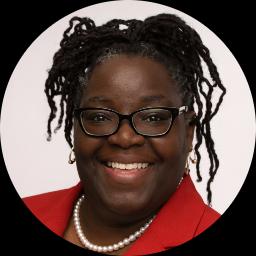
About Michelle
Michelle Durham is a licensed professional counselor in the District of Columbia who helps people facing addiction, trauma, anxiety, depression, and relationship concerns. She listens first and aims to make therapy straightforward and practical. Sessions focus on small, useful steps that fit daily life.
Michelle draws on nearly two decades of experience in community-based settings. She has worked with people confronting homelessness, substance use, unemployment, trauma, and severe mental health challenges.
Background and approach
That background shaped her focus on realistic coping skills and practical problem solving. Her approach centers on strengths and collaboration. She uses client-centered methods that follow the person’s lead while adding structured tools when helpful.
Techniques include elements from cognitive behavioral therapy, mindfulness practices, narrative work, and Acceptance and Commitment Therapy. Michelle pays attention to culture, identity, and life context while helping people set goals. She often combines short-term, solution-focused steps with deeper work aimed at processing trauma and rebuilding self-worth.
Self-care planning and motivational support are common parts of her sessions. People who want a warm, direct counselor who balances empathy with practical tools may find her style helpful. She describes her work as collaborative and adaptable, shaped by each person’s needs, values, and daily demands.
How therapeutic approaches translate to online care
Acceptance and Commitment Therapy (ACT) helps people notice thoughts and feelings without getting stuck in them, then choose actions that match their values; it is useful for anxiety, depression, and life changes. Cognitive Behavioral Therapy (CBT) focuses on identifying unhelpful thought patterns and testing new behaviors to reduce symptoms such as anxiety, depression, and anger. Client-Centered Therapy emphasizes a respectful, nonjudgmental relationship where the person leads the pace and goals of therapy, which supports self-exploration and empowerment.Choosing the right approach is part of the process. The therapist works collaboratively to match methods to each person’s goals, situation, and comfort level. That means trying practical exercises or conversational work and adjusting over time based on what feels helpful.
Online formats include video calls, phone sessions, live chat, and text-based messaging, which provide flexibility for different days and routines. Video calls allow face-to-face conversation when visual cues matter. Phone sessions can be a good shorter option or when bandwidth is limited. Live chat and messaging are useful for quick check-ins, journaling between sessions, or when someone prefers text-based work. These options make it easier to fit counseling into work breaks, caregiving schedules, or other busy lives while using the approaches described above.
Questions people ask
What kinds of concerns does she help with?
What is her therapeutic style?
How long has she been practicing?
Where is she licensed and practicing?
Which languages are supported?
What session formats are available?
How are sessions priced?
How do I begin working with her?
What this counselor works with
Most often
- Addictions
- LGBT
- Relationship issues
Also listed
- Anger management
- Career difficulties
- Caregiver issues and stress
- Coaching
- Communication problems
- Compassion fatigue
- Control issues
- Coping with life changes
- Depression
- Family conflicts
- First responder issues
- Grief
- Infidelity
- Intimacy-related issues
- Isolation / loneliness
- Multicultural concerns
- Polyamory / non-monogamous relationships
- Post-traumatic stress
- Self esteem
- Self-love
- Stress, Anxiety
- Trauma and abuse
- Veteran and Armed Forces Issues
- Women's issues
- Workplace issues
Therapeutic approaches
- Experience
- 19 years
- Licensed
- District of Columbia
- Languages
- English