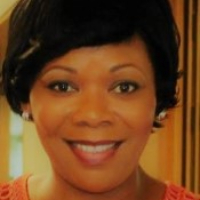
About Deborah
Dr. Deborah Harris-Sims uses a client-centered approach to help people navigate difficult changes and emotional pain. She is a Licensed Professional Counselor (LPC) with two decades of counseling experience.
Dr. Sims focuses on practical steps people can use now to feel steadier and more able to cope. She works with a broad range of concerns, including depression, anxiety, relationship and intimacy issues, grief, stress, and addiction.
Trauma and abuse, parenting strains, and career setbacks are also areas she addresses.
Background and approach
Her practice includes attention to attachment and family of origin issues, abandonment and adoption concerns, and challenges like dissociation or control issues. Her style blends client-centered listening with cognitive behavioral methods and psychodynamic reflection. She also draws on solution-focused and trauma-focused techniques to help clients set goals and process painful experiences.
Sessions aim to clarify patterns, shift unhelpful thoughts, and build practical coping strategies. Clients can expect direct, plainspoken dialogue and steady support. Dr.
Sims emphasizes clear communication and helps people break problems into manageable steps. She also uses coaching elements when people want focused goal work, such as career transitions or rebuilding routine after loss. Dr.
Sims practices in the District of Columbia and speaks English. She has worked in a variety of clinical settings over her career and brings that practical experience into each session. Her approach is to meet each person where they are and work together toward realistic change.
How her approaches translate to online therapy
Client-Centered Therapy emphasizes listening and building a respectful connection. In online sessions this looks like focused conversation, reflective feedback, and work on what matters most to the client, such as relationship patterns or self-esteem challenges.Cognitive Behavioral Therapy (CBT) targets thoughts and behaviors that make problems worse. Online CBT often uses brief exercises, homework between sessions, and step-by-step skill practice to manage anxiety, depression, or sleep and eating concerns.
Psychodynamic elements help people notice long-standing patterns linked to family of origin or attachment issues. In remote sessions this can mean talking through early experiences and noticing how those patterns show up today.
Finding the right mix of approaches is a collaborative process. The therapist will discuss goals, preferences, and what seems to help, adjusting methods as progress is made and new needs emerge.
Online formats offer practical flexibility. Video calls allow face-to-face work for deeper conversation. Phone sessions can be a good fit when bandwidth is limited or a shorter check-in is needed. Live chat and text-based messaging support quick reflections, interim coaching, and ongoing between-session contact. These options make it easier to fit therapy into busy schedules and different life situations.
Questions people ask
What issues does she help with?
What is her therapeutic style like?
How much experience does she have?
Where is she licensed and located?
Can I work with her if I live outside the United States?
What formats are available for sessions?
How do sessions get paid for?
How do I begin working with her?
What this counselor works with
Most often
- Relationship issues
- Family conflicts
- Trauma and abuse
Also listed
- Abandonment
- Addictions
- Adoption and foster care
- Anger management
- Antisocial personality
- Attachment issues
- Avoidant personality
- Bipolar disorder
- Career difficulties
- Caregiver issues and stress
- Coaching
- Commitment issues
- Communication problems
- Control issues
- Coping with life changes
- Coping with natural or human-caused disaster
- Dependent personality
- Depression
- Dissociation
- Divorce and separation
- Eating disorders
- Emptiness
- Family of origin issues
- Family problems
- Fatherhood issues
- Fertility issues
- Forgiveness
- Grief
- Guilt and shame
- Impulsivity
- Infidelity
- Intimacy-related issues
- Isolation / loneliness
- Jealousy
- LGBT
- Life purpose
- Obsessions, compulsions, and OCD
- Panic disorder and panic attacks
- Parenting issues
- Personality disorders
- Post-traumatic stress
- Postpartum depression
- Self esteem
- Self-love
- Sexual assault and abuse
- Sexuality
- Sleeping disorders
- Social anxiety and phobia
- Stress, Anxiety
- Veteran and Armed Forces Issues
- Women's issues
- Workplace issues
- Young adult issues
Therapeutic approaches
- Experience
- 20 years
- Licensed
- District of Columbia, South Carolina
- Languages
- English