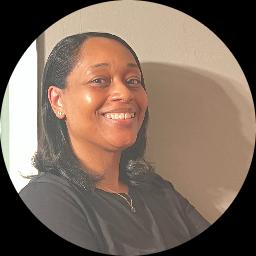
About Famebridge
Famebridge Gray is a Licensed Professional Counselor who helps people dealing with stress, anxiety, depression, trauma and abuse, and family problems. She focuses on building confidence and improving self-esteem while supporting people through difficult life changes. Her approach centers on practical steps and steady support rather than quick fixes.
Gray believes each person knows their own story and brings strengths to the work. She listens for what matters most and helps clients turn those strengths into usable tools.
Background and approach
Sessions aim to be straightforward, with clear goals and manageable steps between meetings. With 16 years of experience in the field, Gray has worked across a range of mood and trauma-related concerns. She draws on evidence-based therapeutic techniques to address post-traumatic stress, mood disorders, and issues like isolation and family of origin conflicts.
She also has experience supporting people after sexual assault and abuse and with women's issues and young adult concerns. Clients can expect a paced, collaborative style that emphasizes safety and steady progress. Gray helps people name problems, try practical strategies, and check what is and isn't working.
The focus is on making small changes that add up to meaningful improvement. Gray practices in the District of Columbia and conducts sessions in English. She frames therapy as a partnership and supports clients who want to build resilience, repair relationships with family members, or recover from traumatic events.
Evidence-based approaches and flexible online care
Many of the techniques used are grounded in evidence-based approaches that teach practical skills. One approach focuses on coping skills for stress and anxiety, teaching breathing and grounding exercises, emotion regulation, and step-by-step plans to handle intense moments. This is useful for people needing tools to manage daily overwhelm and panic.Another common approach addresses trauma and post-traumatic stress by helping people process distressing memories at a manageable pace and reduce the ways those memories interfere with daily life. This includes building safety, learning to tolerate strong feelings, and developing routines that restore a sense of control.
Finding the right approach is part of the work. The therapist collaborates with each person to choose methods that fit their goals and preferences. Plans are adjusted over time based on what helps and what does not, so the client stays involved in shaping the process.
Online therapy offers practical benefits through video calls, phone sessions, live chat, or text-based messaging. Video sessions allow face-to-face conversations when bandwidth and surroundings allow. Phone sessions can be easier when bandwidth is limited or for a quick check-in. Live chat and messaging let people share thoughts between sessions or when a shorter check-in is needed. Together these options make it easier to fit therapy into a busy life and keep consistent progress.
Questions people ask
What kinds of problems does this therapist help with?
What is the therapist's style in sessions?
How much experience does the therapist have?
What are the therapist's credentials and where do they practice?
Are sessions offered in other languages or internationally?
Which session formats are available?
How does payment and cost work?
How do I begin working with this therapist?
What this counselor works with
Most often
- Stress, Anxiety
- Family conflicts
- Trauma and abuse
Also listed
- Depression
- Disruptive Mood Dysregulation Disorder (DMDD)
- Family of origin issues
- Family problems
- Isolation / loneliness
- Mood disorders
- Post-traumatic stress
- Self esteem
- Sexual assault and abuse
- Women's issues
- Young adult issues
- Experience
- 16 years
- Licensed
- District of Columbia
- Languages
- English