
Rick Fulton, LPC
Texas · 30 yrs exp
Works with Stress, Anxiety / Addictions / Anger +14
Works by Cognitive Behavioral Therapy (CBT) / Mindfulness Therapy
View ProfileThe therapist listings are provided by BetterHelp and we will earn a commission if you use our link - at no cost to you.
This page lists licensed professional counselors who focus on compassion fatigue and related caregiver strain. Browse profiles below to compare credentials, areas of focus, approaches, languages, and experience.
Use the listings to learn more about counselors who hold LPC, LPCC, or LCPC licenses and to explore options that match your needs.
Texas · 30 yrs exp
Works with Stress, Anxiety / Addictions / Anger +14
Works by Cognitive Behavioral Therapy (CBT) / Mindfulness Therapy
View Profile
Texas · 20 yrs exp
Works with Stress, Anxiety / LGBT / Relationship +17
Works by Acceptance and Commitment Therapy (ACT) / Cognitive Behavioral Therapy (CBT)
View Profile
Michigan · 25 yrs exp
Works with Stress, Anxiety / LGBT / Relationship +11
Works by Attachment-Based Therapy / Cognitive Behavioral Therapy (CBT)
View Profile
Missouri · 23 yrs exp
Works with Stress, Anxiety / Addictions / Trauma and abuse +11
Works by Client-Centered Therapy / Cognitive Behavioral Therapy (CBT)
View Profile
Georgia · 10 yrs exp
Works with Stress, Anxiety / Grief / Self esteem +11
Works by Client-Centered Therapy / Cognitive Behavioral Therapy (CBT)
View Profile
Maine · 12 yrs exp
Works with Stress, Anxiety / Self esteem / Depression +17
Works by Client-Centered Therapy / Cognitive Behavioral Therapy (CBT)
View Profile
Colorado · 17 yrs exp
Works with Relationship / Trauma and abuse / Parenting +9
Works by Acceptance and Commitment Therapy (ACT) / Attachment-Based Therapy
View Profile
Georgia · 8 yrs exp
Works with Stress, Anxiety / Relationship / Family +12
Works by Client-Centered Therapy / Cognitive Behavioral Therapy (CBT)
View Profile
Colorado · 15 yrs exp
Works with Stress, Anxiety / Relationship / Intimacy-related issues +11
Works by Acceptance and Commitment Therapy (ACT) / Attachment-Based Therapy
View Profile
Louisiana · 7 yrs exp
Works with Stress, Anxiety / Family / Trauma and abuse +16
Works by Acceptance and Commitment Therapy (ACT) / Attachment-Based Therapy
View Profile
New Jersey · 5 yrs exp
Works with Stress, Anxiety / Relationship / Family +13
Works by Client-Centered Therapy / Cognitive Behavioral Therapy (CBT)
View Profile
Maryland · 6 yrs exp
Works with Stress, Anxiety / Trauma and abuse / Self esteem +11
Works by Attachment-Based Therapy / Client-Centered Therapy
View Profile
Pennsylvania · 12 yrs exp
Works with Stress, Anxiety / Relationship / Self esteem +12
Works by Client-Centered Therapy / Cognitive Behavioral Therapy (CBT)
View Profile
Arizona · 6 yrs exp
Works with Stress, Anxiety / Relationship / Family +12
Works by Client-Centered Therapy / Cognitive Behavioral Therapy (CBT)
View Profile
Texas · 22 yrs exp
Works with Stress, Anxiety / Grief / Career +10
Works by Client-Centered Therapy / Cognitive Behavioral Therapy (CBT)
View Profile
Texas · 6 yrs exp
Works with Stress, Anxiety / Relationship / Trauma and abuse +5
Works by Client-Centered Therapy / Cognitive Behavioral Therapy (CBT)
View Profile
Missouri · 7 yrs exp
Works with Stress, Anxiety / Addictions / Relationship +14
Works by Client-Centered Therapy / Cognitive Behavioral Therapy (CBT)
View Profile
Louisiana · 10 yrs exp
Works with Stress, Anxiety / Relationship / Family +13
Works by Attachment-Based Therapy / Client-Centered Therapy
View Profile
New York · 9 yrs exp
Works with Stress, Anxiety / Anger / Self esteem +14
Works by Acceptance and Commitment Therapy (ACT) / Client-Centered Therapy
View Profile
Texas · 10 yrs exp
Works with Stress, Anxiety / Relationship / Family +15
Works by Acceptance and Commitment Therapy (ACT) / Attachment-Based Therapy
View Profile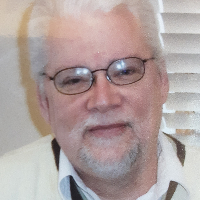
Michigan · 45 yrs exp
Works with Stress, Anxiety / Addictions / Trauma and abuse +11
Works by Client-Centered Therapy / Cognitive Behavioral Therapy (CBT)
View Profile
Ohio · 18 yrs exp
Works with Stress, Anxiety / Trauma and abuse / Grief +12
Works by Acceptance and Commitment Therapy (ACT) / Client-Centered Therapy
View Profile
Ohio · 33 yrs exp
Works with Stress, Anxiety / Family / Trauma and abuse +13
Works by Client-Centered Therapy / Cognitive Behavioral Therapy (CBT)
View Profile
Texas · 10 yrs exp
Works with Relationship / Family / Anger +13
Works by Client-Centered Therapy / Cognitive Behavioral Therapy (CBT)
View Profile
Texas · 11 yrs exp
Works with Stress, Anxiety / Trauma and abuse / Career +10
Works by Acceptance and Commitment Therapy (ACT) / Cognitive Behavioral Therapy (CBT)
View Profile
Oklahoma · 30 yrs exp
Works with Stress, Anxiety / Grief / Intimacy-related issues +9
Works by Client-Centered Therapy / Cognitive Behavioral Therapy (CBT)
View Profile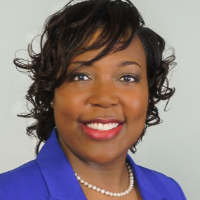
Florida · 10 yrs exp
Works with Relationship / Family / Self esteem +5
Works by Client-Centered Therapy / Cognitive Behavioral Therapy (CBT)
View Profile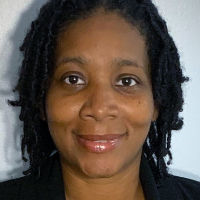
Florida · 13 yrs exp
Works with Stress, Anxiety / Anger / Depression +14
Works by Cognitive Behavioral Therapy (CBT) / Dialectical Behavior Therapy (DBT)
View Profile
Colorado · 30 yrs exp
Works with Stress, Anxiety / Relationship / Trauma and abuse +16
Works by Client-Centered Therapy / Eye Movement Desensitization and Reprocessing (EMDR)
View Profile
Louisiana · 22 yrs exp
Works with Stress, Anxiety / Relationship / Family +12
Works by Client-Centered Therapy / Cognitive Behavioral Therapy (CBT)
View Profile
Wisconsin · 23 yrs exp
Works with Stress, Anxiety / Trauma and abuse / Eating +14
Works by Acceptance and Commitment Therapy (ACT) / Client-Centered Therapy
View Profile
Colorado · 11 yrs exp
Works with Stress, Anxiety / LGBT / Trauma and abuse +16
Works by Acceptance and Commitment Therapy (ACT) / Client-Centered Therapy
View Profile
North Carolina · 18 yrs exp
Works with Stress, Anxiety / Addictions / Trauma and abuse +14
Works by Client-Centered Therapy / Cognitive Behavioral Therapy (CBT)
View Profile
Montana · 39 yrs exp
Works with Stress, Anxiety / Parenting / Self esteem +13
Works by Cognitive Behavioral Therapy (CBT) / Motivational Interviewing
View Profile
Wisconsin · 26 yrs exp
Works with Stress, Anxiety / Self esteem / Career +12
Works by Acceptance and Commitment Therapy (ACT) / Attachment-Based Therapy
View Profile
Missouri · 14 yrs exp
Works with Stress, Anxiety / Self esteem / Career +14
Works by Acceptance and Commitment Therapy (ACT) / Attachment-Based Therapy
View Profile
Texas · 22 yrs exp
Works with Stress, Anxiety / Relationship / Trauma and abuse +17
Works by Acceptance and Commitment Therapy (ACT) / Attachment-Based Therapy
View Profile
Arizona · 30 yrs exp
Works with Stress, Anxiety / Trauma and abuse / Self esteem +12
Works by Client-Centered Therapy / Cognitive Behavioral Therapy (CBT)
View Profile
Texas · 25 yrs exp
Works with Stress, Anxiety / Family / Intimacy-related issues +16
Works by Attachment-Based Therapy / Client-Centered Therapy
View Profile
Texas · 10 yrs exp · 2 languages
Works with Stress, Anxiety / Relationship / Anger +17
Works by Cognitive Behavioral Therapy (CBT) / Solution-Focused Therapy
View Profile
Mississippi · 25 yrs exp
Works with Stress, Anxiety / Relationship / Family +16
Works by Acceptance and Commitment Therapy (ACT) / Client-Centered Therapy
View Profile
Louisiana · 3 yrs exp
Works with Stress, Anxiety / Anger / Bipolar +8
Works by Client-Centered Therapy / Cognitive Behavioral Therapy (CBT)
View Profile
Ohio · 20 yrs exp · 2 languages
Works with Stress, Anxiety / Addictions / Relationship +16
Works by Acceptance and Commitment Therapy (ACT) / Client-Centered Therapy
View Profile
Virginia · 13 yrs exp
Works with Stress, Anxiety / Anger / Self esteem +10
Works by Acceptance and Commitment Therapy (ACT) / Client-Centered Therapy
View Profile
Georgia · 35 yrs exp
Works with Stress, Anxiety / Anger / Self esteem +6
Works by Cognitive Behavioral Therapy (CBT) / Solution-Focused Therapy
View Profile
Louisiana · 16 yrs exp
Works with Stress, Anxiety / Relationship / Career +15
Works by Client-Centered Therapy / Cognitive Behavioral Therapy (CBT)
View Profile
Connecticut · 9 yrs exp
Works with Stress, Anxiety / Self esteem / Depression +5
Works by Acceptance and Commitment Therapy (ACT) / Client-Centered Therapy
View Profile
Louisiana · 10 yrs exp
Works with Stress, Anxiety / Trauma and abuse / Anger +13
Works by Attachment-Based Therapy / Client-Centered Therapy
View ProfileCompassion fatigue is a form of emotional and physical exhaustion that can develop when you give a lot of yourself to help others over time. It is commonly reported by people in caregiving roles - clinicians, nurses, mental health professionals, first responders, social workers, and family caregivers - but it can affect anyone who repeatedly faces suffering and high stress. Compassion fatigue often appears as a gradual wearing down rather than a single dramatic event, and it can change how you relate to work, relationships, and your own self-care.
Because compassion fatigue builds on prolonged exposure to other people’s distress, it often includes both emotional and behavioral elements. You may notice increased irritability, reduced empathy, difficulty concentrating, or a growing sense of cynicism about your work. Physical signs such as disrupted sleep, headaches, or changes in appetite can accompany emotional symptoms. Understanding compassion fatigue as a response to sustained caregiving demands can help you recognize when a new strategy or outside support might be useful.
If you are asking whether counseling might help, look for consistent patterns rather than isolated bad days. You might benefit from working with a counselor if you find that your emotional reactions feel unusually intense or numbing, that your ability to connect with people you serve has decreased, or that you are making more errors or avoiding responsibilities because of emotional overwhelm. A sense of helplessness, growing irritability, or feeling detached from colleagues, friends, or family are commonly reported by people experiencing compassion fatigue.
Some people notice changes in motivation and meaning - what once felt purposeful can begin to feel burdensome or pointless. Others experience guilt about wanting relief or find themselves taking more physical sick days. If these kinds of shifts are affecting your work performance, personal relationships, or general sense of wellbeing over weeks or months, seeking counseling with a licensed professional counselor can be a constructive next step. Counselors who hold state licenses are accustomed to helping people identify practical changes, build sustainable boundaries, and reconnect with personal values.
When you meet with a counselor who holds an LPC, LPCC, or LCPC, you can expect an initial conversation that focuses on your functioning and your goals. Licensed professional counselors are trained with a wellness and developmental orientation, which means they typically start by asking what is working, what you are working toward, and where you want to see change. This perspective complements symptom-focused work and often emphasizes skills, coping strategies, and resilience alongside understanding difficult feelings.
Your counselor will usually gather information about your current stressors, caregiving context, coping habits, and any physical or emotional symptoms you are experiencing. From there, you and your counselor will develop a practical plan for sessions. That plan might include strategies to reduce immediate overwhelm, experiments to strengthen boundaries at work or home, and techniques to support rest and recovery. Counselors licensed under different state names still follow similar professional standards: licensure requires a master’s degree in counseling, a state-set period of supervised postgraduate clinical experience commonly running two to three years and several thousand hours, and successful completion of a national examination. State boards issue and renew these licenses, and titles can vary by state.
There is no single method that fits everyone, and counselors bring many perspectives to this work. Many counselors combine practical stress-reduction skills with reflective work on meaning and boundaries. You may find counselors who emphasize skill-building around stress management, sleep and routine, assertive communication, and structured problem solving. Others highlight practices that support emotional regulation, such as grounding techniques, mindfulness-based strategies, or compassion-focused exercises that help you treat yourself with more kindness.
When reading profiles, note that the directory records approaches therapists list rather than certifying specific training. You will see counselors who list cognitive-behavioral strategies among their approaches, counselors who list acceptance and commitment methods, and counselors who list trauma-informed or narrative-oriented work. Descriptions that emphasize caregiver populations, workplace stress, or clinician well-being can signal relevant experience. A counselor’s approach is often adapted to your unique history and current demands, so expect a blend of practical tools and reflective change work tailored to your situation.
Online counseling can be helpful if you need flexible timing or cannot easily travel to an appointment. When you choose online counseling with a licensed professional counselor, communication options commonly include video, phone, or messaging, and sessions are structured much like in-person meetings with time set aside for conversation, goal review, and practice of coping strategies. Because licensure is managed at the state level, counselors are generally licensed to practice in the state where you are located, so the title they use - LPC, LPCC, or LCPC - reflects that state’s licensing name and requirements.
Telehealth rules and reimbursement vary by state, and technology considerations matter. You should expect to use a stable internet connection and a device capable of video if you prefer face-to-face interaction, and you may discuss how to create a predictable, interruption-minimized setting for sessions. Online counseling can make it easier to access counselors who list experience working with caregivers or clinical professionals, even when there are few local specialists. If you work irregular hours or need brief check-ins between more in-depth sessions, online formats can offer practical flexibility without changing the professional standards that licensed counselors follow.
Licensed professional counselors are regulated by state boards, and the same general profession goes by different names in different states. In most states the credential is called Licensed Professional Counselor or LPC. Some states use the title Licensed Professional Clinical Counselor or LPCC - for example Ohio, California, Kentucky, and Minnesota. Other states use Licensed Clinical Professional Counselor or LCPC - for example Illinois, Maryland, and Montana. In many places these titles refer to the same licensed profession under the state’s naming conventions. In some states the titles exist side by side as distinct stages or roles, with the clinical designation indicating a state-specific pathway that may include additional supervised practice requirements. When reviewing profiles, look for the exact license name listed and the state board that issues it to understand how that credential maps to local regulations.
Choosing a counselor is a personal process. Start by comparing focus areas and experience that align with your caregiving context - whether that is healthcare, first response, social services, or family caregiving. Look at the approaches counselors list to see if they mention work with burnout, workplace boundaries, stress management, or clinician well-being. Because this directory records the license held rather than training credentials, pay attention to whether the counselor lists relevant clinical populations or settings in their profile.
Consider practical details that matter to you - session format preferences, language, and whether the counselor describes experience with your specific role. You may also want to read how counselors describe their orientation: some emphasize short-term skills and problem solving, while others focus on meaning-making and long-term resilience. It can be helpful to prepare a few brief questions to ask during an initial contact about the counselor’s experience with compassion fatigue, how they structure sessions, and what short-term goals might look like. Comparing credentials, areas of focus, approaches, languages, and years of experience will give you the best information for deciding which counselor feels like a good match for your needs.
Working with a licensed professional counselor can help you build sustainable habits, restore a sense of purpose, and reduce the overwhelm that comes from ongoing caregiving. If compassion fatigue is changing how you feel about your work or your relationships, exploring counselor profiles and selecting someone whose experience aligns with your situation is a constructive step toward reclaiming energy and perspective.
Alabama
238 therapists
Alaska
20 therapists
Arizona
196 therapists
Arkansas
116 therapists
California
174 therapists
Colorado
346 therapists
Connecticut
79 therapists
Delaware
4 therapists
District of Columbia
26 therapists
Florida
152 therapists
Georgia
623 therapists
Hawaii
5 therapists
Idaho
90 therapists
Illinois
383 therapists
Indiana
22 therapists
Iowa
11 therapists
Kansas
41 therapists
Kentucky
128 therapists
Louisiana
310 therapists
Maine
42 therapists
Maryland
174 therapists
Massachusetts
5 therapists
Michigan
318 therapists
Minnesota
117 therapists
Mississippi
151 therapists
Missouri
388 therapists
Montana
78 therapists
Nebraska
12 therapists
Nevada
36 therapists
New Hampshire
7 therapists
New Jersey
261 therapists
New Mexico
61 therapists
New York
32 therapists
North Carolina
89 therapists
North Dakota
12 therapists
Ohio
281 therapists
Oklahoma
278 therapists
Oregon
89 therapists
Pennsylvania
523 therapists
Rhode Island
4 therapists
South Carolina
281 therapists
South Dakota
28 therapists
Tennessee
143 therapists
Texas
1899 therapists
Utah
19 therapists
Vermont
8 therapists
Virginia
287 therapists
Washington
19 therapists
West Virginia
46 therapists
Wisconsin
210 therapists
Wyoming
45 therapists