
Brittany Elledge, LPCC, LMHC
Pennsylvania · 12 yrs exp
Works with Stress, Anxiety / Relationship / Self esteem +12
Works by Client-Centered Therapy / Cognitive Behavioral Therapy (CBT)
View ProfileThe therapist listings are provided by BetterHelp and we will earn a commission if you use our link - at no cost to you.
A Licensed Mental Health Counselor (LMHC) is a state-licensed professional who has completed a master’s degree in counseling, a period of supervised postgraduate practice, and a national licensing exam. Browse the verified LMHC profiles below to learn about their credentials, specialties, and professional focus.
Pennsylvania · 12 yrs exp
Works with Stress, Anxiety / Relationship / Self esteem +12
Works by Client-Centered Therapy / Cognitive Behavioral Therapy (CBT)
View Profile
New York · 9 yrs exp
Works with Stress, Anxiety / Anger / Self esteem +14
Works by Acceptance and Commitment Therapy (ACT) / Client-Centered Therapy
View Profile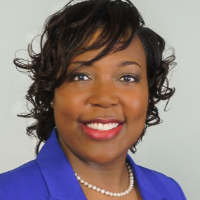
Florida · 10 yrs exp
Works with Relationship / Family / Self esteem +5
Works by Client-Centered Therapy / Cognitive Behavioral Therapy (CBT)
View Profile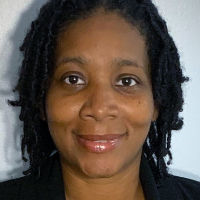
Florida · 13 yrs exp
Works with Stress, Anxiety / Anger / Depression +14
Works by Cognitive Behavioral Therapy (CBT) / Dialectical Behavior Therapy (DBT)
View Profile
Florida · 30 yrs exp
Works with Stress, Anxiety / Relationship / Trauma and abuse +15
Works by Acceptance and Commitment Therapy (ACT) / Client-Centered Therapy
View Profile
Pennsylvania · 10 yrs exp
Works with Stress, Anxiety / Relationship / Grief +9
Works by Cognitive Behavioral Therapy (CBT) / Dialectical Behavior Therapy (DBT)
View Profile
New Jersey · 20 yrs exp
Works with Stress, Anxiety / Addictions / Parenting +8
Works by Client-Centered Therapy / Cognitive Behavioral Therapy (CBT)
View Profile
Florida · 12 yrs exp
Works with Stress, Anxiety / Addictions / Parenting +9
Works by Client-Centered Therapy / Cognitive Behavioral Therapy (CBT)
View Profile
New Jersey · 10 yrs exp
Works with Stress, Anxiety / Relationship / Family +5
Works by Attachment-Based Therapy / Client-Centered Therapy
View Profile
Florida · 9 yrs exp
Works with Stress, Anxiety / Addictions / Self esteem +10
Works by Client-Centered Therapy / Cognitive Behavioral Therapy (CBT)
View Profile
Texas · 5 yrs exp
Works with Stress, Anxiety / Self esteem / Depression +2
View Profile
New York · 17 yrs exp · 3 languages
Works with Stress, Anxiety / Self esteem / Career +15
Works by Psychodynamic Therapy / Solution-Focused Therapy
View Profile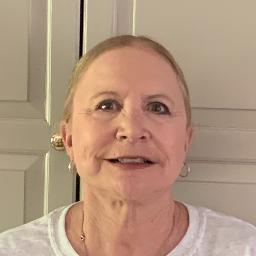
Arizona · 10 yrs exp
Works with Stress, Anxiety / Addictions / Relationship +15
Works by Acceptance and Commitment Therapy (ACT) / Attachment-Based Therapy
View Profile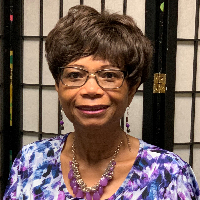
Indiana · 25 yrs exp
Works with Stress, Anxiety / Relationship / Family +10
Works by Cognitive Behavioral Therapy (CBT) / Mindfulness Therapy
View Profile
New York · 10 yrs exp · 2 languages
Works with Stress, Anxiety / Family / Self esteem +6
Works by Acceptance and Commitment Therapy (ACT) / Client-Centered Therapy
View Profile
Texas · 12 yrs exp
Works with Stress, Anxiety / Trauma and abuse / Anger +10
Works by Attachment-Based Therapy / Client-Centered Therapy
View Profile
Nevada · 20 yrs exp
Works with Stress, Anxiety / Self esteem / Depression +9
Works by Attachment-Based Therapy / Client-Centered Therapy
View Profile
New York · 19 yrs exp
Works with Stress, Anxiety / Relationship / Grief +12
Works by Client-Centered Therapy / Cognitive Behavioral Therapy (CBT)
View Profile
Ohio · 13 yrs exp
Works with Stress, Anxiety / Depression / Coping with life changes +9
Works by Client-Centered Therapy / Cognitive Behavioral Therapy (CBT)
View Profile
Florida · 25 yrs exp
Works with Stress, Anxiety / Trauma and abuse / Career +3
View Profile
Georgia · 23 yrs exp
Works with Stress, Anxiety / Family / Grief +9
Works by Client-Centered Therapy / Cognitive Behavioral Therapy (CBT)
View Profile
Florida · 11 yrs exp
Works with Stress, Anxiety / Addictions / Anger +12
Works by Client-Centered Therapy / Cognitive Behavioral Therapy (CBT)
View Profile
New Mexico · 10 yrs exp
Works with Stress, Anxiety / Relationship / Grief +7
Works by Client-Centered Therapy / Cognitive Behavioral Therapy (CBT)
View Profile
Indiana · 9 yrs exp
Works with Stress, Anxiety / Addictions / LGBT +11
Works by Client-Centered Therapy / Cognitive Behavioral Therapy (CBT)
View Profile
Indiana · 26 yrs exp
Works with Stress, Anxiety / Relationship / Family +8
Works by Acceptance and Commitment Therapy (ACT) / Client-Centered Therapy
View Profile
Alabama · 19 yrs exp
Works with Stress, Anxiety / Grief / Career +2
Works by Client-Centered Therapy / Cognitive Behavioral Therapy (CBT)
View Profile
South Carolina · 17 yrs exp
Works with Stress, Anxiety / Relationship / Family +14
Works by Acceptance and Commitment Therapy (ACT) / Attachment-Based Therapy
View Profile
Texas · 5 yrs exp
Works with Stress, Anxiety / Parenting / Self esteem +4
Works by Acceptance and Commitment Therapy (ACT) / Client-Centered Therapy
View Profile
Florida · 5 yrs exp
Works with Stress, Anxiety / Trauma and abuse / Self esteem +7
Works by Client-Centered Therapy / Cognitive Behavioral Therapy (CBT)
View Profile
Montana · 13 yrs exp
Works with Stress, Anxiety / Trauma and abuse / Sleeping +6
Works by Client-Centered Therapy / Cognitive Behavioral Therapy (CBT)
View Profile
Indiana · 15 yrs exp
Works with Stress, Anxiety / Anger / Self esteem +9
Works by Acceptance and Commitment Therapy (ACT) / Attachment-Based Therapy
View Profile
South Carolina · 27 yrs exp
Works with Stress, Anxiety / Grief / Parenting +4
Works by Cognitive Behavioral Therapy (CBT) / Dialectical Behavior Therapy (DBT)
View Profile
New York · 30 yrs exp · 4 languages
Works with Stress, Anxiety / Eating / Sleeping +2
Works by Solution-Focused Therapy
View Profile
Michigan · 12 yrs exp
Works with Stress, Anxiety / Relationship / Family +2
Works by Client-Centered Therapy / Trauma-Focused Therapy
View Profile
South Carolina · 4 yrs exp
Works with Stress, Anxiety / Relationship / Family +2
View Profile
Florida · 14 yrs exp · 2 languages
Works with Stress, Anxiety / Trauma and abuse / Grief +2
Works by Existential Therapy
View Profile
Florida · 8 yrs exp
Works with Stress, Anxiety / Anger / Self esteem +2
Works by Acceptance and Commitment Therapy (ACT) / Attachment-Based Therapy
View Profile
New York · 9 yrs exp
Works with Stress, Anxiety / Addictions / Anger +5
Works by Acceptance and Commitment Therapy (ACT) / Client-Centered Therapy
View Profile
South Carolina · 3 yrs exp
Works with Stress, Anxiety / Relationship / Trauma and abuse +2
Works by Acceptance and Commitment Therapy (ACT) / Client-Centered Therapy
View Profile
Massachusetts · 4 yrs exp
Works with Stress, Anxiety / LGBT / Relationship +2
Works by Acceptance and Commitment Therapy (ACT) / Client-Centered Therapy
View Profile
Massachusetts · 12 yrs exp
Works with Stress, Anxiety / LGBT / Family +9
Works by Client-Centered Therapy / Cognitive Behavioral Therapy (CBT)
View Profile
Florida · 5 yrs exp
Works with Stress, Anxiety / Trauma and abuse / Self esteem +7
Works by Client-Centered Therapy / Cognitive Behavioral Therapy (CBT)
View Profile
Florida · 44 yrs exp
Works with Stress, Anxiety / Grief / Self esteem +2
Works by Client-Centered Therapy / Cognitive Behavioral Therapy (CBT)
View Profile
Rhode Island · 5 yrs exp
Works with Stress, Anxiety / Addictions / Self esteem +2
View Profile
Indiana · 7 yrs exp
Works with Stress, Anxiety / Self esteem / Career +2
View Profile
Florida · 26 yrs exp
Works with Stress, Anxiety / Family / Trauma and abuse +2
View Profile
New York · 13 yrs exp
Works with Stress, Anxiety / Relationship / Family +2
Works by Client-Centered Therapy / Cognitive Behavioral Therapy (CBT)
View Profile
Florida · 7 yrs exp
Works with Stress, Anxiety / Relationship / Family +2
View ProfileWhen you see the letters LMHC after a clinician's name, it indicates that the person holds a state-issued license to practice professional counseling. That license is granted by a state board and confirms that the counselor met the state's education, supervised experience, and examination requirements. Although the title LMHC is used in many states, the same professional role often appears under different names in other jurisdictions. In most states the license is called Licensed Professional Counselor or LPC. Some states issue the title Licensed Professional Clinical Counselor - LPCC - and others use Licensed Clinical Professional Counselor - LCPC. These names point to the same overall profession in terms of counseling education and the typical scope of practice, although the exact title and the path to licensure vary by state.
The training behind the LMHC credential is centered on a graduate-level education in counseling theory and practice. Counselor training emphasizes a wellness and developmental orientation, focusing on how you are functioning now and what you want to achieve going forward, rather than beginning only from a diagnostic label. That orientation shapes assessment, goal-setting, and the interventions counselors employ with adults, adolescents, families, and groups.
To become an LMHC you must complete an accredited master's degree in counseling or a closely related field. Coursework typically covers counseling theories, human development, assessment, ethics, and practicum experience. After graduation, states require a period of postgraduate supervised clinical work that commonly runs two to three years and encompasses several thousand supervised hours. During that time you work under the oversight of a licensed supervisor who observes, consults on, and documents your clinical work. Finally, candidates pass a national clinical exam required by most state boards. Because the issuing board is a state agency, exact hour requirements, acceptable degree programs, and exam specifics can vary, so licensure steps are shaped by where the counselor seeks their license.
The title you see on a profile reflects the issuing state's terminology. For example, Ohio, California, Kentucky, and Minnesota use LPCC in some of their regulatory structures, while Illinois, Maryland, and Montana use LCPC. In some states an LPC and an LPCC may exist within a single regulatory framework as distinct license classes; when that occurs it reflects the state's naming of different licensure stages or scopes rather than a universal ranking. If you live in Illinois and search for an LPC you should know that the LCPC credential in that state represents the comparable clinical licensure within the state’s own naming system.
As someone exploring options, it helps to know how LMHC practitioners differ from other licensed behavioral health professionals. LMHCs are trained and authorized to provide assessment, diagnosis, and counseling across a range of concerns, including mood and anxiety symptoms, life transitions, relationship challenges, and behavioral issues. They are distinct from social workers, marriage and family therapists, and psychologists, each of whom has a different educational path, regulatory board, and typical focus. For example, social work licensure often includes a broader focus on systems, community resources, and case management. Marriage and family therapy licensure centers specifically on relational systems and family dynamics. Psychologists typically complete doctoral training with a stronger emphasis on psychological testing and research. These are different professions regulated separately; this directory lists counselors who hold LMHC, LPC, LPCC, or LCPC credentials, not other license types.
Within their scope, LMHC counselors commonly provide individual, group, and sometimes couples counseling, using assessment and interventions aimed at improving functioning and helping you meet personal goals. They can collaborate with other professionals when integrated care is needed, and they operate under state law and ethical codes that guide recordkeeping, information-sharing boundaries rules, and professional conduct.
You will encounter LMHC professionals who emphasize a range of clinical focus areas. Many list work with anxiety, depression, trauma, grief, and stress-related concerns; others highlight relationship issues, family dynamics, adolescent development, substance-related problems, or career and vocational counseling. Counselors may also describe experience with life transitions such as parenting, divorce, retirement, or immigration adjustment. Because counselor education tends to foreground development and wellness, you will often find LMHCs who frame their work in terms of functioning and goals rather than only symptom reduction.
On individual profiles you may see a variety of named approaches listed. Profiles that mention cognitive-behavioral ideas, trauma-focused approaches, psychodynamic concepts, or mindfulness-based practices should be read as the counselor listing an approach among those they use, not as evidence of a formal certification. When you review profiles, focus on the counselor’s stated areas of focus, years of experience, languages spoken, and population served to get a sense of fit for your needs.
If you want to confirm that a counselor holds an LMHC, start with the issuing state board that oversees professional counselors. Most state licensing boards provide searchable online registries where you can look up a licensee by name or license number to confirm current licensure status, issue date, and any public disciplinary history. Because titles differ by state, search for LPC, LPCC, LCPC, or LMHC depending on the state board’s terminology. The directory profiles identify the credential a counselor lists, but the board is the definitive source for official licensure records.
When you check a board record, note the license type, the expiration or renewal cycle, and whether there are any public records or actions. Boards also publish brief summaries of the scope of practice that apply under the state's law, which can help you understand what that counselor is authorized to do in that state. If a practitioner lists multiple state licenses, each board will have its own record. Remember that licensure confirms that a counselor met state standards for education and supervised practice, but it does not guarantee a particular clinical outcome or fit for you personally.
Choosing an LMHC can be a good match if you value a counselor whose training emphasizes functional goals, wellness, and developmental perspective. Counselors with this credential are prepared to work with life stressors, emotional concerns, and relational challenges with an eye toward helping you build skills, strengthen coping, and pursue meaningful changes. When you review profiles, pay attention to the counselor’s stated populations served, approach listings, languages, and years of practice to identify those whose focus aligns with your priorities. Comparing focus areas, stated approaches, credentials, and experience will help you narrow your options.
Practical tips for finding a good fit include reading profile descriptions to see how a counselor frames their work, noting whether they list experience with issues similar to yours, and checking the state board record to confirm licensure. If a counselor practices under a different professional title in your state, such as LCPC or LPCC, recognize that those titles reflect the state’s naming conventions for the same counseling profession rather than a fundamentally different service. Think about the populations you want a counselor to understand - for example adolescents, veterans, or multicultural issues - and look for counselors who indicate relevant experience. Ultimately, counseling is a personal match; using credentials, focus areas, and professional experience as guides will help you make an informed choice about which LMHC may suit your needs.