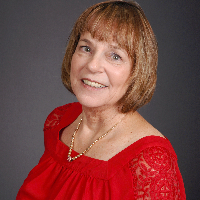
About Nanine
Nanine "Marie" Dickson is a licensed professional counselor who focuses on helping adults manage stress, anxiety, trauma, addiction, and life transitions. She uses clear, practical steps to help people spot options and make changes. Marie writes and listens in a straightforward way so parents and professionals can quickly see how therapy might fit into their lives.
Marie draws on 12 years of clinical experience and a background in education and counseling.
Background and approach
She believes many people already have useful strengths and skills. Sessions often start with identifying those strengths and the next small steps a person can take. Her work includes practical tools from cognitive behavioral approaches and solution-focused techniques.
She helps people notice unhelpful thinking, try new behaviors, and set achievable goals. Mindfulness practices are also used to reduce reactivity and ease emotional overwhelm. Attachment-based ideas help when relationship patterns or caregiver stress are part of the problem.
Marie explores how past connections affect current reactions and communication. This can make it easier to change how someone approaches relationships and caregiving roles. In sessions she keeps language simple and action-oriented.
People leave with concrete steps to practice between meetings. Marie is licensed as an LPC and as an LMHC and sees clients in Texas.
How therapy approaches fit into online care
Attachment-based approaches pay attention to how early relationships shape current reactions and communication. Online sessions can use this work to help people notice repeated patterns and try different responses in real life. Cognitive behavioral therapy (CBT) focuses on spotting unhelpful thoughts and testing new behaviors to reduce symptoms like anxiety or low mood. In an online session CBT tools translate into homework, thought records, and small experiments to practice between meetings.Finding the right approach is part of the process. The therapist will work collaboratively to match methods to a client's needs, goals, and preferences. Together they decide whether to emphasize CBT strategies, attachment work, mindfulness practices, or a mix of methods based on what feels most useful.
Online formats offer practical flexibility. Video calls let the therapist and client work face to face when a deeper conversation is needed. Phone sessions can fit into a shorter break or when bandwidth is limited. Live chat and text-based messaging support quick check-ins, journaling, or on-the-day coping tools without needing to schedule a full video visit. These options make it easier to use therapy around work, caregiving, or other demands.
Questions people ask
What issues does this therapist address?
What is the therapist's general approach in sessions?
How much clinical experience does she have?
What credentials and location are listed?
Are sessions offered in other languages or internationally?
Which session formats are available?
How is cost handled for sessions?
What do I do to begin working with this therapist?
What this counselor works with
Most often
- Stress, Anxiety
- Trauma and abuse
- Anger management
Also listed
- Addictions
- ADHD
- Attachment issues
- Career difficulties
- Caregiver issues and stress
- Communication problems
- Compassion fatigue
- Coping with life changes
- Depression
- Drug and alcohol addiction
- Emptiness
- First responder issues
- Forgiveness
- Grief
- Intellectual disability
- Jealousy
- Life purpose
- Mood disorders
- Narcissism
- Parenting issues
- Postpartum depression
- Relationship issues
- Seasonal Affective Disorder (SAD)
- Self esteem
- Self-harm
- Self-love
- Social anxiety and phobia
- Veteran and Armed Forces Issues
Therapeutic approaches
- Experience
- 12 years
- Licensed
- Texas, Washington
- Languages
- English