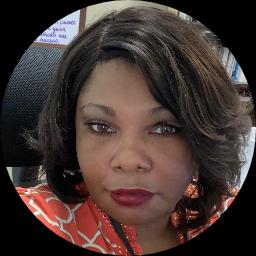
About Skytina
Dr. Skytina Felder-Jones is a licensed mental health counselor with two decades of experience. She holds LMHC and LCPC credentials and practices from Idaho while also working with international clients.
She focuses on clear, practical help for people facing addictions, relationship strain, trauma, and parenting challenges. She treats each person as the expert on their own life and looks for strengths to build on. Sessions aim to be straightforward and supportive.
Background and approach
The first steps are often about lowering immediate stress and creating manageable goals. Her background includes long-term clinical work across several areas, including bipolar concerns, abandonment, adoption and foster care issues, and attachment challenges. She also has experience with body image, chronic illness and pain, caregiver stress, and complex co-morbid presentations.
In session she draws on approaches such as Acceptance and Commitment Therapy (ACT), Attachment-Based Therapy, Client-Centered Therapy, Cognitive Behavioral Therapy (CBT), and Dialectical Behavior Therapy (DBT). These methods are used to help people develop coping skills, build healthier patterns, and manage intense emotions. Therapy can be scheduled as video calls, phone sessions, live chat, or text-based messaging to fit different needs.
Pricing varies by location and uses a subscription that can be canceled at any time. To begin, a short matching questionnaire is completed and appointments are scheduled according to therapist availability.
How therapeutic approaches work online
Acceptance and Commitment Therapy (ACT) helps people notice difficult thoughts and feelings while moving toward what matters in life. It can be useful for addiction, anxiety, and motivation struggles by teaching practical ways to commit to valued actions. Cognitive Behavioral Therapy (CBT) focuses on changing unhelpful thinking and behavior patterns through clear exercises and skill practice. It often helps with mood, relationship problems, and coping with stressful situations. Attachment-Based Therapy looks at how early relationship patterns affect current connections and emotional responses, which can be helpful for attachment issues and relationship strain.Finding the right approach is part of work together. The therapist will listen to your goals and preferences and suggest methods that fit your situation. Choices are made collaboratively so treatment matches what you want to change and how you prefer to work.
Online therapy offers flexibility for different lives and needs. Video calls are close to in-person conversation and allow visual cues. Phone sessions can be a good low-bandwidth option or fit a quick check-in. Live chat and text-based messaging make brief check-ins and ongoing support possible between sessions. These formats let people fit therapy into work, caregiving, or travel schedules while keeping focus on practical skills and steady progress.
Questions people ask
What concerns does this therapist address?
What is the therapist's approach in sessions?
How much clinical experience does she have?
What credentials and location are listed for the therapist?
Are sessions available in other languages or countries?
What formats are offered for sessions?
How does billing and cost work?
How do I get started with therapy?
What this counselor works with
Most often
- Addictions
- Relationship issues
- Trauma and abuse
Also listed
- Abandonment
- Adoption and foster care
- Aging and geriatric issues
- Antisocial personality
- Attachment issues
- Avoidant personality
- BDSM, kink, and alternative sex culture
- Bipolar disorder
- Blended family issues
- Body image
- Cancer
- Caregiver issues and stress
- Chronic pain, illness, and disability
- Co-morbidity
- Codependency
- Commitment issues
- Communication problems
- Control issues
- Coping with natural or human-caused disaster
- Dependent personality
- Disruptive Mood Dysregulation Disorder (DMDD)
- Dissociation
- Divorce and separation
- Domestic violence
- Drug and alcohol addiction
- Emptiness
- Family of origin issues
- Family problems
- Fatherhood issues
- Fertility issues
- First responder issues
- Forgiveness
- Gender dysphoria
- Guilt and shame
- HIV / AIDS
- Hoarding
- Hospice and end-of-life counseling
- Immigration issues
- Impulsivity
- Infidelity
- Isolation / loneliness
- Jealousy
- Life purpose
- Midlife crisis
- Money and financial issues
- Mood disorders
- Multicultural concerns
- Narcissism
- Obsessions, compulsions, and OCD
- Panic disorder and panic attacks
- Paranoia
- Parenting issues
- Personality disorders
- Phobias
- Polyamory / non-monogamous relationships
- Post-traumatic stress
- Postpartum depression
- Pregnancy and childbirth
- Prejudice and discrimination
- Process addiction (porn, exercise, gambling)
- Seasonal Affective Disorder (SAD)
- Self-harm
- Self-love
- Sex addiction
- Sexual assault and abuse
- Sexual dysfunction
- Sexuality
- Social anxiety and phobia
- Somatization
- Traumatic brain injury
- Trichotillomania
- Veteran and Armed Forces Issues
- Women's issues
- Workplace issues
- Young adult issues
Therapeutic approaches
- Acceptance and Commitment Therapy (ACT)
- Attachment-Based Therapy
- Client-Centered Therapy
- Cognitive Behavioral Therapy (CBT)
- Dialectical Behavior Therapy (DBT)
- Emotionally-Focused Therapy (EFT)
- Existential Therapy
- Eye Movement Desensitization and Reprocessing (EMDR)
- Gottman Method
- Mindfulness Therapy
- Motivational Interviewing
- Narrative Therapy
- Psychodynamic Therapy
- Solution-Focused Therapy
- Somatic Therapy
- Trauma-Focused Therapy
- Internal Family Systems
- Experience
- 20 years
- Licensed
- Washington, Idaho, Virginia
- Languages
- English