
Melakee Nicholson, LPC
Texas · 10 yrs exp
Works with Stress, Anxiety / Relationship / Family +15
Works by Acceptance and Commitment Therapy (ACT) / Attachment-Based Therapy
View ProfileThe therapist listings are provided by BetterHelp and we will earn a commission if you use our link - at no cost to you.
Somatic Therapy focuses on the relationship between body sensations and emotional experience, using mindful attention to movement, breath, and physical feeling as part of healing. Below you can browse licensed professional counselors who list somatic therapy among their approaches to learn more about practitioners and their focus areas.
Texas · 10 yrs exp
Works with Stress, Anxiety / Relationship / Family +15
Works by Acceptance and Commitment Therapy (ACT) / Attachment-Based Therapy
View Profile
Illinois · 10 yrs exp
Works with Stress, Anxiety / LGBT / Relationship +11
Works by Client-Centered Therapy / Emotionally-Focused Therapy (EFT)
View Profile
Texas · 22 yrs exp
Works with Stress, Anxiety / Relationship / Trauma and abuse +17
Works by Acceptance and Commitment Therapy (ACT) / Attachment-Based Therapy
View Profile
Georgia · 17 yrs exp
Works with Relationship / Family / Trauma and abuse +14
Works by Acceptance and Commitment Therapy (ACT) / Attachment-Based Therapy
View Profile
Ohio · 20 yrs exp · 2 languages
Works with Stress, Anxiety / Addictions / Relationship +16
Works by Acceptance and Commitment Therapy (ACT) / Client-Centered Therapy
View Profile
Illinois · 12 yrs exp
Works with Trauma and abuse / Self esteem / Coping with life changes +9
Works by Acceptance and Commitment Therapy (ACT) / Attachment-Based Therapy
View Profile
Missouri · 17 yrs exp
Works with Stress, Anxiety / Addictions / Relationship +10
Works by Attachment-Based Therapy / Client-Centered Therapy
View Profile
South Carolina · 8 yrs exp
Works with Stress, Anxiety / Trauma and abuse / Self esteem +17
Works by Attachment-Based Therapy / Client-Centered Therapy
View Profile
Ohio · 29 yrs exp
Works with Stress, Anxiety / Trauma and abuse / Self esteem +10
Works by Attachment-Based Therapy / Client-Centered Therapy
View Profile
Oklahoma · 9 yrs exp
Works with Stress, Anxiety / Anger / Self esteem +17
Works by Acceptance and Commitment Therapy (ACT) / Attachment-Based Therapy
View Profile
South Carolina · 15 yrs exp
Works with Stress, Anxiety / Trauma and abuse / Anger +14
Works by Acceptance and Commitment Therapy (ACT) / Attachment-Based Therapy
View Profile
Texas · 12 yrs exp
Works with Stress, Anxiety / Addictions / Relationship +15
Works by Acceptance and Commitment Therapy (ACT) / Attachment-Based Therapy
View Profile
Tennessee · 37 yrs exp
Works with Addictions / Family / Grief +10
Works by Client-Centered Therapy / Cognitive Behavioral Therapy (CBT)
View Profile
Wisconsin · 8 yrs exp
Works with Stress, Anxiety / Relationship / Self esteem +11
Works by Attachment-Based Therapy / Client-Centered Therapy
View Profile
Ohio · 13 yrs exp
Works with Stress, Anxiety / Relationship / Family +14
Works by Acceptance and Commitment Therapy (ACT) / Attachment-Based Therapy
View Profile
Tennessee · 8 yrs exp
Works with Stress, Anxiety / Trauma and abuse / Parenting +14
Works by Client-Centered Therapy / Cognitive Behavioral Therapy (CBT)
View Profile
Texas · 16 yrs exp
Works with Stress, Anxiety / Addictions / Relationship +10
Works by Attachment-Based Therapy / Client-Centered Therapy
View Profile
Oklahoma · 16 yrs exp
Works with Stress, Anxiety / Addictions / Relationship +17
Works by Acceptance and Commitment Therapy (ACT) / Attachment-Based Therapy
View Profile
Colorado · 8 yrs exp
Works with Stress, Anxiety / Trauma and abuse / Grief +15
Works by Acceptance and Commitment Therapy (ACT) / Attachment-Based Therapy
View Profile
Texas · 20 yrs exp
Works with Stress, Anxiety / Relationship / Depression +13
Works by Acceptance and Commitment Therapy (ACT) / Attachment-Based Therapy
View Profile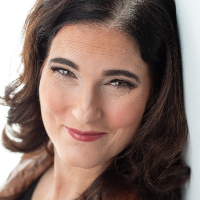
Illinois · 22 yrs exp
Works with Stress, Anxiety / Trauma and abuse / Parenting +7
Works by Cognitive Behavioral Therapy (CBT) / Dialectical Behavior Therapy (DBT)
View Profile
Kentucky · 15 yrs exp · 2 languages
Works with Stress, Anxiety / Relationship / Family +17
Works by Acceptance and Commitment Therapy (ACT) / Client-Centered Therapy
View Profile
Texas · 37 yrs exp
Works with Stress, Anxiety / Relationship / Trauma and abuse +15
Works by Attachment-Based Therapy / Client-Centered Therapy
View Profile
New Jersey · 25 yrs exp
Works with Stress, Anxiety / Addictions / Trauma and abuse +13
Works by Acceptance and Commitment Therapy (ACT) / Attachment-Based Therapy
View Profile
Texas · 15 yrs exp
Works with Stress, Anxiety / Trauma and abuse / Bipolar +12
Works by Acceptance and Commitment Therapy (ACT) / Attachment-Based Therapy
View Profile
Arizona · 40 yrs exp
Works with Addictions / Trauma and abuse / Self esteem +16
Works by Client-Centered Therapy / Cognitive Behavioral Therapy (CBT)
View Profile
South Carolina · 21 yrs exp
Works with Relationship / Grief / Parenting +15
Works by Client-Centered Therapy / Cognitive Behavioral Therapy (CBT)
View Profile
Texas · 30 yrs exp
Works with Stress, Anxiety / Addictions / Relationship +14
Works by Attachment-Based Therapy / Client-Centered Therapy
View Profile
Oklahoma · 22 yrs exp
Works with Stress, Anxiety / Self esteem / Depression +10
Works by Attachment-Based Therapy / Client-Centered Therapy
View Profile
Illinois · 8 yrs exp
Works with Stress, Anxiety / Addictions / LGBT +17
Works by Acceptance and Commitment Therapy (ACT) / Attachment-Based Therapy
View Profile
Michigan · 22 yrs exp
Works with Stress, Anxiety / Grief / Anger +17
Works by Acceptance and Commitment Therapy (ACT) / Attachment-Based Therapy
View Profile
Illinois · 15 yrs exp
Works with Trauma and abuse / Anger / Self esteem +12
Works by Acceptance and Commitment Therapy (ACT) / Attachment-Based Therapy
View Profile
Idaho · 40 yrs exp
Works with Stress, Anxiety / LGBT / Relationship +17
Works by Client-Centered Therapy / Cognitive Behavioral Therapy (CBT)
View Profile
Tennessee · 20 yrs exp
Works with Stress, Anxiety / Addictions / Trauma and abuse +17
Works by Client-Centered Therapy / Cognitive Behavioral Therapy (CBT)
View Profile
Virginia · 5 yrs exp
Works with Relationship / Intimacy-related issues / Self esteem +12
Works by Acceptance and Commitment Therapy (ACT) / Attachment-Based Therapy
View Profile
South Carolina · 6 yrs exp
Works with Stress, Anxiety / Family / Trauma and abuse +15
Works by Acceptance and Commitment Therapy (ACT) / Attachment-Based Therapy
View Profile
Georgia · 8 yrs exp
Works with LGBT / Relationship / Trauma and abuse +15
Works by Client-Centered Therapy / Cognitive Behavioral Therapy (CBT)
View Profile
Illinois · 6 yrs exp
Works with Stress, Anxiety / Relationship / Family +11
Works by Acceptance and Commitment Therapy (ACT) / Client-Centered Therapy
View Profile
Indiana · 15 yrs exp
Works with Stress, Anxiety / Anger / Self esteem +9
Works by Acceptance and Commitment Therapy (ACT) / Attachment-Based Therapy
View Profile
Missouri · 22 yrs exp
Works with Stress, Anxiety / Relationship / Self esteem +2
Works by Acceptance and Commitment Therapy (ACT) / Attachment-Based Therapy
View Profile
Texas · 13 yrs exp
Works with Addictions / Trauma and abuse / Grief +2
Works by Acceptance and Commitment Therapy (ACT) / Attachment-Based Therapy
View Profile
Montana · 16 yrs exp
Works with Stress, Anxiety / Relationship / Grief +2
Works by Client-Centered Therapy / Cognitive Behavioral Therapy (CBT)
View Profile
Texas · 8 yrs exp
Works with Stress, Anxiety / Trauma and abuse / Grief +9
Works by Acceptance and Commitment Therapy (ACT) / Client-Centered Therapy
View Profile
Nevada · 12 yrs exp
Works with Stress, Anxiety / LGBT / Trauma and abuse +2
Works by Client-Centered Therapy / Cognitive Behavioral Therapy (CBT)
View Profile
Pennsylvania · 12 yrs exp
Works with Stress, Anxiety / LGBT / Relationship +2
Works by Acceptance and Commitment Therapy (ACT) / Attachment-Based Therapy
View Profile
Illinois · 28 yrs exp
Works with Stress, Anxiety / Trauma and abuse / Self esteem +2
Works by Attachment-Based Therapy / Client-Centered Therapy
View Profile
Oklahoma · 3 yrs exp
Works with Stress, Anxiety / Trauma and abuse / Self esteem +2
Works by Acceptance and Commitment Therapy (ACT) / Attachment-Based Therapy
View Profile
Pennsylvania · 25 yrs exp
Works with Stress, Anxiety / Trauma and abuse / Anger +2
Works by Acceptance and Commitment Therapy (ACT) / Attachment-Based Therapy
View ProfileSomatic Therapy refers to a family of approaches that foreground the body as an important source of information about stress, emotion, and regulation. At its core you will hear about attention to bodily sensation - noticing tension, breathing patterns, posture, and subtle shifts in internal feeling - and using that information to inform therapeutic work. The emphasis is often on helping you become more aware of how the body and nervous system respond to experiences so that you can develop practical strategies for regulation and coping.
This approach is eclectic rather than a single school. Practitioners work from a set of principles - awareness of interoception, support for nervous system regulation, and the belief that movement and sensation can carry emotional meaning - and adapt methods to the needs of the person. If you are curious about why someone might seek somatic work, a helpful way to think about it is that it adds a bodily dimension to talk-based exploration, helping you notice patterns that may not be fully accessible through words alone.
People seek somatic approaches for many reasons. They are often used for stress management and to reduce the intensity of bodily symptoms linked with anxiety, panic, or chronic stress. Individuals who have experienced trauma sometimes pursue somatic work because traumatic memories can be stored not only as narrative recollection but also as bodily responses - muscle tension, breath holding, or a sense of constriction. Somatic approaches aim to help you recognize and gently work with those responses.
Beyond trauma and anxiety, somatic methods are commonly applied to chronic pain, insomnia, and difficulties with emotional regulation. Some people find this work useful when other approaches have left a gap in how they experience the body in relation to emotion. Because licensed professional counselors emphasize functioning and goals, somatic approaches can be integrated into a plan that addresses day-to-day coping, relationships, and personal development.
Sessions with counselors who list somatic therapy among their approaches often blend conversation with body-focused attention. Early meetings typically include a conversation about what brings you to therapy, your goals, and any relevant medical or safety information. You and the counselor may then explore how stress and emotion show up in your body. That might mean pausing to notice breath, scanning for tension, or observing posture and movement in a gentle way.
Depending on the counselor’s approach, a session might include practices to help you shift an arousal pattern - for example, regulated breathing, grounding techniques, or guided movement. Some counselors incorporate mindful noticing of sensations while you describe an experience, so you learn to differentiate between thought, feeling, and bodily response. It is common for counselors to discuss what you noticed after an exercise and to use this material as a way to set small, manageable goals for daily life. If you have physical limitations or health concerns, a counselor who lists somatic methods can adapt activities to your needs and pace.
Somatic approaches place greater emphasis on bodily experience than purely talk-based therapies. Cognitive-behavioral methods prioritize thoughts and behavior patterns and often use structured exercises to change thinking habits. Somatic work complements that focus by inviting you to attend to visceral signals and automatic bodily responses that may underlie habitual thoughts or behaviors. In other words, where a cognitive method asks what you are thinking, somatic work asks what you are feeling in your body and how that feeling shapes your responses.
It is also important to recognize the role of professional identity. This directory lists counselors who hold licenses such as LPC, LPCC, or LCPC. Those licenses reflect a master's level education in counseling, a period of supervised postgraduate clinical experience commonly running two to three years and several thousand hours, and completion of a national examination, with licensing and renewal regulated by a state board. These credentials are distinct from other professional licenses like LCSW, LMFT, LMHC, or psychologist licensure, which involve different training paths and boards. In some states the clinical title differs in name or indicates a specific stage of licensure - for example, LPCC or LCPC is used in certain states, and in some jurisdictions LPC and LPCC may appear side by side as state-defined titles rather than as a hierarchy of practitioners.
You may be a good candidate for somatic approaches if you notice that emotions often show up physically - heart racing, muscle tightness, breath changes, or a tendency to shut down physically when stressed. People who feel disconnected from their bodies, who want practical tools for calming the nervous system, or who wish to complement talk-based work with bodily awareness may find somatic methods helpful. Because counselors who list somatic therapy often integrate it with other approaches, this work can fit into a broader plan that addresses relationships, life transitions, or ongoing mental health concerns.
That said, somatic work is not a required element of counseling and it is not presented as a cure. If you have complex medical conditions or concerns about how bodily-focused exercises might affect you, it is appropriate to discuss those issues up front with any counselor who lists somatic approaches. Good professional practice involves tailoring activities to your physical health, pace, and personal boundaries.
When looking through profiles, pay attention to the license listed - LPC, LPCC, or LCPC - and the state where the counselor is licensed. If you live in a state like Illinois, Maryland, or Montana, the title LCPC refers to the same overall profession under the state's naming conventions. In states such as Ohio, California, Kentucky, and Minnesota you will see LPCC used. In other states you will typically see LPC. Where a state uses multiple titles, those are the state’s naming practices rather than a statement about individual skill or effectiveness.
Use profile information to compare focus areas, approaches listed, languages spoken, and years of experience. Because approach listings on profiles are self-reported, a practical next step is to prepare a short set of questions to learn how a counselor uses somatic methods in session. You might ask how they integrate bodily awareness with talk-based work, what a typical progression looks like, and how they adapt practices for safety and comfort. Asking about experience rather than assuming formal certifications will help you understand how they work in practice.
Finally, remember that therapists in this directory are licensed professional counselors by state boards; the listing confirms their license type but does not by itself verify specific modalities or outcomes. Use profile details to guide your exploration, and look for a counselor whose focus areas and approach descriptions resonate with your goals and preferences.
Alabama
238 therapists
Alaska
20 therapists
Arizona
196 therapists
Arkansas
116 therapists
California
174 therapists
Colorado
346 therapists
Connecticut
79 therapists
Delaware
4 therapists
District of Columbia
26 therapists
Florida
152 therapists
Georgia
623 therapists
Hawaii
5 therapists
Idaho
90 therapists
Illinois
383 therapists
Indiana
22 therapists
Iowa
11 therapists
Kansas
41 therapists
Kentucky
128 therapists
Louisiana
310 therapists
Maine
42 therapists
Maryland
174 therapists
Massachusetts
5 therapists
Michigan
318 therapists
Minnesota
117 therapists
Mississippi
151 therapists
Missouri
388 therapists
Montana
78 therapists
Nebraska
12 therapists
Nevada
36 therapists
New Hampshire
7 therapists
New Jersey
261 therapists
New Mexico
61 therapists
New York
32 therapists
North Carolina
89 therapists
North Dakota
12 therapists
Ohio
281 therapists
Oklahoma
278 therapists
Oregon
89 therapists
Pennsylvania
523 therapists
Rhode Island
4 therapists
South Carolina
281 therapists
South Dakota
28 therapists
Tennessee
143 therapists
Texas
1899 therapists
Utah
19 therapists
Vermont
8 therapists
Virginia
287 therapists
Washington
19 therapists
West Virginia
46 therapists
Wisconsin
210 therapists
Wyoming
45 therapists