
Stacey Sugar, MD, LCPC, LPCC
California · 14 yrs exp
Works with Stress, Anxiety / Relationship / Family +10
Works by Attachment-Based Therapy / Client-Centered Therapy
View ProfileThe therapist listings are provided by BetterHelp and we will earn a commission if you use our link - at no cost to you.
Licensed Clinical Professional Counselor (LCPC) is a state-issued credential for counselors who complete graduate training, supervised clinical hours, and a licensing exam. Use the verified LCPC therapist listings below to review credentials and find professionals who match your needs.
California · 14 yrs exp
Works with Stress, Anxiety / Relationship / Family +10
Works by Attachment-Based Therapy / Client-Centered Therapy
View Profile
Oregon · 17 yrs exp
Works with Stress, Anxiety / Anger / Self esteem +13
Works by Client-Centered Therapy / Cognitive Behavioral Therapy (CBT)
View Profile
Maine · 12 yrs exp
Works with Stress, Anxiety / Self esteem / Depression +17
Works by Client-Centered Therapy / Cognitive Behavioral Therapy (CBT)
View Profile
Illinois · 32 yrs exp
Works with Stress, Anxiety / Addictions / Relationship +10
View Profile
Maryland · 6 yrs exp
Works with Stress, Anxiety / Trauma and abuse / Self esteem +11
Works by Attachment-Based Therapy / Client-Centered Therapy
View Profile
Maryland · 10 yrs exp
Works with Stress, Anxiety / Relationship / Family +13
Works by Client-Centered Therapy / Cognitive Behavioral Therapy (CBT)
View Profile
Illinois · 10 yrs exp
Works with Stress, Anxiety / LGBT / Relationship +11
Works by Client-Centered Therapy / Emotionally-Focused Therapy (EFT)
View Profile
North Carolina · 18 yrs exp
Works with Stress, Anxiety / Addictions / Trauma and abuse +14
Works by Client-Centered Therapy / Cognitive Behavioral Therapy (CBT)
View Profile
Montana · 39 yrs exp
Works with Stress, Anxiety / Parenting / Self esteem +13
Works by Cognitive Behavioral Therapy (CBT) / Motivational Interviewing
View Profile
Montana · 16 yrs exp
Works with Stress, Anxiety / Relationship / Self esteem +12
Works by Client-Centered Therapy / Cognitive Behavioral Therapy (CBT)
View Profile
Illinois · 12 yrs exp
Works with Trauma and abuse / Self esteem / Coping with life changes +9
Works by Acceptance and Commitment Therapy (ACT) / Attachment-Based Therapy
View Profile
Maryland · 25 yrs exp
Works with Stress, Anxiety / Addictions / Relationship +13
Works by Acceptance and Commitment Therapy (ACT) / Client-Centered Therapy
View Profile
Illinois · 38 yrs exp
Works with Stress, Anxiety / Self esteem / Depression +10
Works by Client-Centered Therapy / Cognitive Behavioral Therapy (CBT)
View Profile
Kansas · 17 yrs exp
Works with Stress, Anxiety / Relationship / Family +11
Works by Attachment-Based Therapy / Client-Centered Therapy
View Profile
Maryland · 15 yrs exp
Works with Stress, Anxiety / Relationship / Family +11
View Profile
Illinois · 25 yrs exp
Works with Stress, Anxiety / Grief / Parenting +2
Works by Client-Centered Therapy / Emotionally-Focused Therapy (EFT)
View Profile
Illinois · 5 yrs exp
Works with Stress, Anxiety / Addictions / Self esteem +2
View Profile
Montana · 10 yrs exp
Works with Stress, Anxiety / Trauma and abuse / Grief +10
Works by Attachment-Based Therapy / Client-Centered Therapy
View Profile
Montana · 23 yrs exp
Works with Stress, Anxiety / Family / Trauma and abuse +13
Works by Acceptance and Commitment Therapy (ACT) / Attachment-Based Therapy
View Profile
Nevada · 10 yrs exp
Works with Stress, Anxiety / Trauma and abuse / Parenting +16
Works by Attachment-Based Therapy / Client-Centered Therapy
View Profile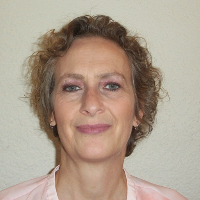
Illinois · 12 yrs exp
Works with Stress, Anxiety / Relationship / Trauma and abuse +15
Works by Cognitive Behavioral Therapy (CBT) / Solution-Focused Therapy
View Profile
Illinois · 30 yrs exp
Works with Family / Trauma and abuse / Grief +8
Works by Cognitive Behavioral Therapy (CBT) / Psychodynamic Therapy
View Profile
Colorado · 20 yrs exp
Works with Stress, Anxiety / Anger / Self esteem +11
Works by Client-Centered Therapy / Cognitive Behavioral Therapy (CBT)
View Profile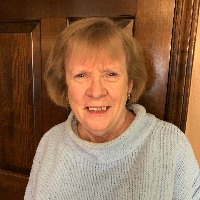
Kansas · 35 yrs exp
Works with Stress, Anxiety / Trauma and abuse / Grief +14
Works by Acceptance and Commitment Therapy (ACT) / Cognitive Behavioral Therapy (CBT)
View Profile
Illinois · 34 yrs exp
Works with Stress, Anxiety / Relationship / Grief +12
Works by Acceptance and Commitment Therapy (ACT) / Attachment-Based Therapy
View Profile
Illinois · 9 yrs exp
Works with Stress, Anxiety / LGBT / Grief +10
Works by Attachment-Based Therapy / Client-Centered Therapy
View Profile
Illinois · 30 yrs exp
Works with Stress, Anxiety / Relationship / Family +13
Works by Acceptance and Commitment Therapy (ACT) / Attachment-Based Therapy
View Profile
Oklahoma · 20 yrs exp
Works with Addictions / Relationship / Intimacy-related issues +4
Works by Acceptance and Commitment Therapy (ACT) / Client-Centered Therapy
View Profile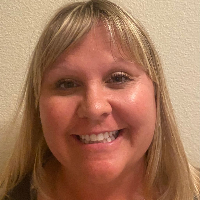
Colorado · 18 yrs exp
Works with Stress, Anxiety / Addictions / Relationship +16
Works by Client-Centered Therapy / Cognitive Behavioral Therapy (CBT)
View Profile
Illinois · 18 yrs exp
Works with Stress, Anxiety / Relationship / Family +8
Works by Cognitive Behavioral Therapy (CBT) / Mindfulness Therapy
View Profile
Pennsylvania · 16 yrs exp
Works with Stress, Anxiety / Relationship / Family +11
Works by Client-Centered Therapy / Cognitive Behavioral Therapy (CBT)
View Profile
Kansas · 9 yrs exp
Works with Stress, Anxiety / Relationship / Anger +12
View Profile
Illinois · 23 yrs exp
Works with Stress, Anxiety / Trauma and abuse / Anger +12
Works by Acceptance and Commitment Therapy (ACT) / Client-Centered Therapy
View Profile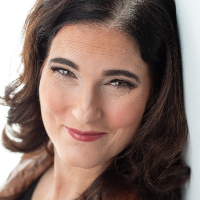
Illinois · 22 yrs exp
Works with Stress, Anxiety / Trauma and abuse / Parenting +7
Works by Cognitive Behavioral Therapy (CBT) / Dialectical Behavior Therapy (DBT)
View Profile
Montana · 10 yrs exp
Works with Stress, Anxiety / Trauma and abuse / Grief +14
Works by Cognitive Behavioral Therapy (CBT) / Mindfulness Therapy
View Profile
Nevada · 20 yrs exp
Works with Stress, Anxiety / Self esteem / Depression +9
Works by Attachment-Based Therapy / Client-Centered Therapy
View Profile
Illinois · 25 yrs exp
Works with Addictions / Relationship / Anger +7
Works by Acceptance and Commitment Therapy (ACT) / Client-Centered Therapy
View Profile
Illinois · 8 yrs exp
Works with Relationship / Trauma and abuse / Anger +10
Works by Attachment-Based Therapy / Client-Centered Therapy
View Profile
Nevada · 5 yrs exp
Works with Stress, Anxiety / Family / Grief +2
Works by Acceptance and Commitment Therapy (ACT) / Attachment-Based Therapy
View Profile
Nevada · 12 yrs exp
Works with Stress, Anxiety / LGBT / Trauma and abuse +15
Works by Client-Centered Therapy / Cognitive Behavioral Therapy (CBT)
View Profile
Kansas · 8 yrs exp
Works with Stress, Anxiety / Trauma and abuse / Self esteem +2
View Profile
North Carolina · 20 yrs exp
Works with Stress, Anxiety / Anger / Self esteem +10
Works by Client-Centered Therapy / Cognitive Behavioral Therapy (CBT)
View Profile
Missouri · 3 yrs exp
Works with Stress, Anxiety / Addictions / Relationship +13
Works by Client-Centered Therapy / Cognitive Behavioral Therapy (CBT)
View Profile
Illinois · 3 yrs exp
Works with Stress, Anxiety / Relationship / Family +9
Works by Cognitive Behavioral Therapy (CBT) / Emotionally-Focused Therapy (EFT)
View Profile
Illinois · 8 yrs exp
Works with Stress, Anxiety / Addictions / LGBT +17
Works by Acceptance and Commitment Therapy (ACT) / Attachment-Based Therapy
View Profile
Idaho · 6 yrs exp
Works with Stress, Anxiety / Trauma and abuse / Anger +2
Works by Client-Centered Therapy / Cognitive Behavioral Therapy (CBT)
View Profile
Idaho · 8 yrs exp
Works with Stress, Anxiety / Addictions / Self esteem +10
Works by Client-Centered Therapy / Cognitive Behavioral Therapy (CBT)
View Profile
Illinois · 20 yrs exp
Works with Relationship / Depression
Works by Cognitive Behavioral Therapy (CBT) / Hypnotherapy
View ProfileWhen you see LCPC after a counselor's name, it indicates a state-issued license that signals a specific path of graduate education and supervised clinical experience. Most counselors who hold an LCPC will have completed a master's degree in counseling or a closely related field, followed by a period of postgraduate supervised practice. That supervised period commonly runs two to three years and is counted in several thousand clinical hours. To become licensed, candidates also pass a national examination and meet any additional state board requirements. Because licensing is managed by state boards, exact requirements and the license name itself vary from state to state.
The credential carries a focus on clinical practice grounded in counseling education and supervised experience. Counseling training emphasizes a wellness and developmental orientation - that is, a focus on how you are functioning now, what you want to work toward, and how to support changes across life domains. For many people, that emphasis on strengths, coping, and practical goals is the reason they specifically seek counselors who hold a professional counseling license.
License names differ across states. The same professional role is often called Licensed Professional Counselor or LPC in many states, Licensed Professional Clinical Counselor or LPCC in states such as Ohio, California, Kentucky and Minnesota, and Licensed Clinical Professional Counselor or LCPC in states such as Illinois, Maryland and Montana. In plain terms, these titles identify the same broad profession in different jurisdictions, but the details depend on each state's regulations. In some states the clinical title exists alongside another licensing tier, where additional supervised practice or specific credentials are required before a counselor may use the clinical designation. Where that matters, it reflects state naming rather than a universal ranking of counselors.
Counselors who hold an LCPC are qualified to provide counseling and psychotherapy within the scope defined by their state board. That typically includes assessment, treatment planning, individual and group counseling, and working with clients across the lifespan. LCPC licensure is distinct from other professions such as licensed clinical social workers, marriage and family therapists, licensed mental health counselors in some jurisdictions, and psychologists. Each of those professions has different graduate training, licensing boards, and legal scopes of practice. If you need help understanding what a particular professional is licensed to do, checking the state licensing board can provide clear, authoritative information about scope and limitations.
Counselors with an LCPC credential list a wide range of focus areas, reflecting the breadth of counseling training. You will commonly find professionals who work with mood concerns, anxiety, grief and loss, relationship issues, life transitions, career concerns, and stress management. Many also work with specific populations such as adolescents, college students, military families, or older adults. Some list experience with trauma-related symptoms, substance-related concerns, or adjustment after major life events. When a counselor lists an approach or focus area, the listing is a starting point for your inquiry rather than proof of a particular certification or outcome.
Because counselor training emphasizes functioning and goals, you may notice LCPC counselors describe work in terms of building coping skills, improving relationships, enhancing life satisfaction, and supporting development across stages. Therapists may list different theoretical influences or methods among their approaches; those listings indicate interest or use rather than a verified specialty credential. When you look through profiles, you can focus on the areas and language that feel most relevant to what you want to address.
If you want to confirm a counselor's LCPC status, the most reliable source is the state licensing board that issued the license. State boards typically offer an online license lookup tool where you can search by name or license number to confirm that a license is current and to review its status. Information on those public lookup pages often includes the license type, issue and expiration dates, any active restrictions, and disciplinary history if present. Because licensure is regulated at the state level, a counselor licensed in one state may have a different title or requirements than a counselor licensed in another state.
When you check a license record, focus on the basics: the exact license title the professional holds, the issuing state, the license number, and whether the license is active. Records that note restrictions or disciplinary actions will provide details and a point of contact if you want more information. The directory listings on this site record that a counselor holds an LCPC credential; verifying the same information through the state board offers an official confirmation and clarity about scope of practice in that jurisdiction.
Choosing a counselor who holds an LCPC can offer reassurance that the professional completed a recognized graduate program in counseling, met a state board's supervised practice requirements, and passed a national licensing exam. For many people, the counseling orientation itself is an important factor - counselors are trained to take a wellness and developmental perspective that emphasizes functioning, goals, and practical strategies. If that orientation fits what you are looking for, an LCPC may be a good match.
Begin by considering the problems or life changes you want to address and the qualities that matter to you in a counselor. Look at listed focus areas, years of experience, languages spoken, and stated approaches to see which profiles align with your priorities. Remember that the directory confirms licensure but does not verify specific clinical outcomes or specialty certifications. When reviewing profiles, pay attention to how counselors describe their work so you can identify those who emphasize goal-oriented counseling, developmental perspectives, or the specific populations you want to work with.
Make a short list of counselors whose backgrounds and stated focus areas feel compatible with your needs. Use the state licensing lookup if you want to verify licensure details. Aside from credentials, consider practical match factors such as communication style and whether the counselor describes experience with the concerns important to you. Comparing focus areas, approaches, credentials, languages, and years of experience can help you narrow options and find a counselor who aligns with your goals.
Choosing a counselor is a personal decision. Licensure provides an important baseline of training and oversight, but fit matters too. Use the information on profiles and state board records to gather facts, and follow your instincts about which counselor's stated approach and background feel most helpful for the kind of work you want to do.