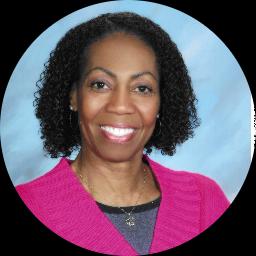
About Deirdre
Deirdre Owens welcomes people who are feeling overwhelmed by stress, anxiety, grief, low self-esteem, or depression. She aims to create a calm, respectful space where clients can talk through what matters most to them. Deirdre holds an LCPC, which stands for Licensed Clinical Professional Counselor, and brings five years of clinical experience in Nevada.
She adapts conversations and strategies to each person’s situation rather than using a one-size-fits-all plan. Sessions often focus on practical steps to manage mood, reduce panic symptoms, or improve everyday communication.
Background and approach
Deirdre uses plain language and short-term tools so people can try new approaches between meetings. Her background includes helping people with attachment concerns, blended family stress, chronic illness and pain, and multicultural issues. She also supports those coping with guilt, shame, and questions about life purpose.
Emotional regulation skills and clearer communication are common topics in her work. Therapy may draw on cognitive behavioral methods to change unhelpful thinking and on acceptance and commitment ideas to clarify values and build meaningful action. She also uses attachment-based and client-centered ways of relating to help people feel understood and heard.
Deirdre aims to partner with clients in setting realistic goals and checking progress along the way. Her style is straightforward and compassionate, focused on small, usable changes that make daily life feel more manageable.
Therapeutic approaches you can use online
Acceptance and Commitment Therapy helps people notice thoughts and feelings without getting ruled by them, then pick actions that match their values. It often supports work on anxiety, depression, and finding a clearer sense of purpose. Cognitive Behavioral Therapy focuses on changing unhelpful thoughts and testing new behaviors to reduce symptoms like panic, social anxiety, and low mood. Attachment-Based Therapy centers on how early relationship patterns affect current connections and communication, which can be useful for people struggling with trust, relationship strain, or blended family challenges.Choosing the right approach is part of the work. The therapist will talk with each person about goals, preferences, and what has or hasn’t helped before. Together they decide which methods to try and adjust the plan as progress is made, so treatment stays practical and goal-focused.
Online sessions are offered as video calls, phone sessions, live chat, or text-based messaging to make therapy more flexible. Video is useful for full conversations and skill practice, phone can fit a break in a busy day, live chat allows brief check-ins, and messaging supports ongoing reflection between sessions. These options let people fit therapy into work, caregiving, or travel schedules while keeping weekly momentum.
Questions people ask
What kinds of concerns does this practice address?
What is the general therapeutic style used here?
How much clinical experience does the therapist have?
What credential is held and where is the therapist based?
Are sessions offered in other languages or internationally?
In what formats are sessions available?
How are fees and billing handled?
What steps are involved in beginning therapy?
What this counselor works with
Most often
- Stress, Anxiety
- Family conflicts
- Grief
Also listed
- Attachment issues
- Avoidant personality
- Blended family issues
- Chronic pain, illness, and disability
- Communication problems
- Depression
- Forgiveness
- Guilt and shame
- Life purpose
- Mood disorders
- Multicultural concerns
- Panic disorder and panic attacks
- Personality disorders
- Self esteem
- Self-harm
- Self-love
- Social anxiety and phobia
- Women's issues
Therapeutic approaches
- Experience
- 5 years
- Licensed
- Nevada
- Languages
- English