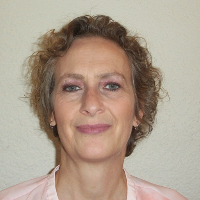
About Suzanna
Suzanna Bagley is a Licensed Professional Counselor (LPC) who brings 12 years of experience to her work with adults. She uses a calm, approachable manner to help people who are dealing with stress, anxiety, relationship problems, mood challenges, and trauma-related concerns. Her style blends direct feedback with warmth and a touch of lightness when it helps clients feel at ease.
She has a Bachelor’s and Master’s degree in clinical psychology and maintains licensure as an LPC in Illinois and as an LCPC in Virginia.
Background and approach
In sessions she focuses on practical steps that people can use right away. That can mean setting small goals, testing new behaviors between meetings, or learning ways to shift thoughts that increase anxiety or low mood. Suzanna draws on Cognitive Behavioral Therapy to help identify and change unhelpful thinking patterns.
She uses Solution-Focused Therapy when clients want brief, goal-driven work and clear next steps. Trauma-Focused approaches guide conversations about past harm, triggers, and emotional regulation when needed. Many clients come for help with grief, intimacy issues, parenting stress, career changes, ADHD, compassion fatigue, or questions about identity and self-worth.
She also addresses sleep problems, seasonal mood shifts, and communication difficulties that affect daily life. Her manner is generally easygoing and nonjudgmental. She aims to make therapy understandable and useful, offering straightforward ideas you can try between sessions.
If a different approach seems better, she works collaboratively to adjust the plan.
How these approaches work in online therapy
Suzanna commonly uses Cognitive Behavioral Therapy to help people notice and change thoughts that feed anxiety or low mood; online sessions let clients work on thought records and practical exercises together in real time. Solution-Focused Therapy is brief and goal directed, focusing on what would look different when a problem is smaller; this approach fits well into short video or chat sessions that target immediate next steps.Choosing the right approach is a collaborative process. The therapist will discuss goals, preferences, and what has or hasn’t worked before, then suggest a path to try. If an approach isn’t helping, she will adjust the plan so the work stays useful and relevant to the client’s needs.
Online formats offer flexibility in how people connect. Video calls allow face-to-face conversation and visual cues. Phone sessions can be a good option when bandwidth is limited or the session needs to fit a short break. Live chat and text-based messaging work well for check-ins, brief problem solving, and people who prefer typing to talking. These options make it easier to fit therapy into a busy life while using the same therapeutic tools as in-person work.
Questions people ask
What kinds of concerns can be addressed in sessions?
What is her therapeutic style like?
How much experience does she have?
What credentials and region are listed?
Which languages are supported and are international clients accepted?
What session formats are available?
How does payment or cost work?
What are the steps to begin working together?
What this counselor works with
Most often
- Stress, Anxiety
- Relationship issues
- Trauma and abuse
Also listed
- ADHD
- Anger management
- Bipolar disorder
- Career difficulties
- Coaching
- Communication problems
- Compassion fatigue
- Coping with life changes
- Depression
- Family conflicts
- Grief
- Intimacy-related issues
- Isolation / loneliness
- LGBT
- Life purpose
- Midlife crisis
- Mood disorders
- Narcissism
- Parenting issues
- Seasonal Affective Disorder (SAD)
- Self esteem
- Self-love
- Sleeping disorders
- Women's issues
Therapeutic approaches
- Experience
- 12 years
- Licensed
- Illinois, Virginia
- Languages
- English