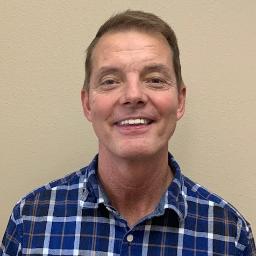
About Stephen
Stephen Garman brings a conversational, client-centered approach to therapy. He is a Licensed Clinical Professional Counselor (LCPC) and a Licensed Professional Counselor (LPC) practicing in Missouri. He keeps sessions warm and practical, helping people sort through stress, anxiety, depression, and substance concerns in straightforward language.
He focuses on real-life problems like parenting strain, career setbacks, sleep trouble, and relationship challenges. He also supports people coping with trauma, grief, bipolar mood swings, ADHD, and compassion fatigue.
Background and approach
Sessions aim to build small, manageable steps rather than massive, vague goals. Stephen uses techniques from client-centered work, cognitive behavioral therapy, and dialectical behavior therapy. He adapts his style to each person, combining talk, skill-building, and practical homework when helpful.
The goal is clearer thinking and steadier daily routines. Before counseling, Stephen has three years of clinical experience in settings that included crisis response and substance abuse work. That background informs his calm, problem-solving approach to difficult moments.
He talks plainly about options and helps people find what fits their life. People who choose him can expect respectful, direct conversation and collaborative planning. He frames therapy as coaching toward things that matter - better sleep, safer coping, healthier communication, and more consistent mood management.
Stephen aims to help people move from where they are now toward clearer, more manageable days.
How his approaches translate to online care
Client-Centered Therapy focuses on listening and helping people feel heard. It asks open questions and follows the client’s pace to build trust and clarity, which helps when talking about relationship or parenting strain.Cognitive Behavioral Therapy (CBT) looks at thoughts, feelings, and actions. It uses simple exercises and homework to change unhelpful patterns, which can reduce anxiety, depression, and sleep problems.
Dialectical Behavior Therapy (DBT) teaches emotional regulation, distress tolerance, and better communication. It is useful for impulsivity, anger, and mood instability and gives concrete skills to practice between sessions.
Finding the right mix of these approaches is a collaborative process. The therapist will discuss goals and preferences and try different strategies to see what fits. Clients help shape the plan and Stephen adjusts techniques based on what works in real life.
Online formats offer flexible options to match different needs. Video calls allow face-to-face conversation and shared exercises. Phone sessions may be easier when bandwidth is limited. Live chat or text-based messaging can be used for brief check-ins, shorter coaching, or continuing skills between appointments. These options make it easier to fit therapy into busy schedules and to keep working on goals consistently.
Questions people ask
What concerns does Stephen address?
How would you describe his therapeutic style?
What is his professional background?
Where is he licensed and based?
Which languages are supported for sessions?
What session formats are available?
How does billing and cost work?
How do I begin working with him?
What this counselor works with
Most often
- Stress, Anxiety
- Addictions
- Relationship issues
Also listed
- Abandonment
- ADHD
- Aging and geriatric issues
- Anger management
- Avoidant personality
- Bipolar disorder
- Blended family issues
- Cancer
- Career difficulties
- Codependency
- Commitment issues
- Communication problems
- Compassion fatigue
- Coping with life changes
- Depression
- Divorce and separation
- Drug and alcohol addiction
- Family conflicts
- Family problems
- Fatherhood issues
- Forgiveness
- Grief
- Guilt and shame
- Impulsivity
- Infidelity
- Isolation / loneliness
- Life purpose
- Men's issues
- Mood disorders
- Obsessions, compulsions, and OCD
- Panic disorder and panic attacks
- Parenting issues
- Post-traumatic stress
- Process addiction (porn, exercise, gambling)
- Seasonal Affective Disorder (SAD)
- Self esteem
- Self-harm
- Self-love
- Sleeping disorders
- Smoking / vaping cessation
- Social anxiety and phobia
- Trauma and abuse
Therapeutic approaches
- Experience
- 3 years
- Licensed
- Missouri, Oklahoma, Kansas
- Languages
- English