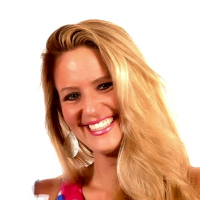
About Dana
Dana Secord is a Licensed Professional Counselor who helps adults facing worry, low mood, trauma, and relationship strain. She works with people coping with anxiety, depression, grief, addiction, and identity concerns. Short-term problems and longer patterns that cause pain both fit her focus.
Dana aims to make the first steps feel manageable and clear. Dana uses straightforward, collaborative work in sessions. She listens without judgment and invites clients to tell their story at their own pace.
Background and approach
Together they identify patterns that keep problems going and try different ways to respond. She blends practical skills with reflection so people can use therapy between sessions. Her training includes a Master of Arts degree in Professional Counseling from Texas Wesleyan University.
Over six years in community and personal settings, she has supported people dealing with trauma, substance concerns, mood disorders, and identity-related stress. That background informs how she notices safety, coping skills, and relationship dynamics. Dana draws on a few common approaches to guide sessions.
She uses cognitive behavioral ideas to map thinking and behavior, acceptance and commitment strategies to clarify values and action, and attachment-based thinking when relationship patterns are central. She adapts these approaches to each person's goals and pace. In practical terms, Dana offers sessions online by video, phone, chat, or message.
She works with clients in Texas and holds LPC credentials. New clients follow a short matching questionnaire and schedule a session to begin exploring next steps.
How Dana’s Approaches Work Online
Dana commonly uses Acceptance and Commitment Therapy and Cognitive Behavioral Therapy in her online work. Acceptance and Commitment Therapy helps people clarify what matters to them and take small steps toward those values even when emotions are strong. Cognitive Behavioral Therapy focuses on identifying unhelpful thoughts and testing new behaviors to reduce anxiety and improve mood.She combines these with attachment-informed thinking when relationship patterns are important. Attachment-based ideas help name long-standing ways of relating and try different ways of connecting that feel safer and more effective. Choosing which approach to emphasize is a shared decision made with each client based on goals, needs, and personal preference.
Online sessions are offered by video calls, phone, live chat, or text-based messaging to make therapy fit into everyday life. Video lets people work face-to-face when a visual conversation helps. Phone sessions can be easier when bandwidth is limited or for a quick check-in. Live chat and messaging work well for short updates, journaling between sessions, or when writing feels more comfortable than talking. These options give flexibility to keep making progress while balancing work, family, and other obligations.
Questions people ask
What concerns does Dana help with?
What is the therapeutic style like?
What experience does Dana bring?
What credentials and location are listed?
Which languages are supported and can international clients join?
What session formats are available?
How does billing and cost work?
How do I begin working with Dana?
What this counselor works with
Most often
- Stress, Anxiety
- LGBT
- Relationship issues
Also listed
- Abandonment
- Addictions
- ADHD
- Adoption and foster care
- Aging and geriatric issues
- Anger management
- Antisocial personality
- Attachment issues
- Autism and Asperger Syndrome
- Avoidant personality
- Bipolar disorder
- Blended family issues
- Body image
- Career difficulties
- Caregiver issues and stress
- Chronic pain, illness, and disability
- Co-morbidity
- Coaching
- Codependency
- Commitment issues
- Communication problems
- Compassion fatigue
- Control issues
- Coping with life changes
- Coping with natural or human-caused disaster
- Dependent personality
- Depression
- Disruptive Mood Dysregulation Disorder (DMDD)
- Dissociation
- Divorce and separation
- Domestic violence
- Drug and alcohol addiction
- Eating and food-related issues
- Eating disorders
- Emptiness
- Family conflicts
- Family of origin issues
- Family problems
- Fertility issues
- Forgiveness
- Gender dysphoria
- Grief
- Guilt and shame
- Hearing impaired
- HIV / AIDS
- Hoarding
- Impulsivity
- Infidelity
- Intellectual disability
- Intimacy-related issues
- Isolation / loneliness
- Jealousy
- Life purpose
- Midlife crisis
- Money and financial issues
- Mood disorders
- Multicultural concerns
- Narcissism
- Obsessions, compulsions, and OCD
- Panic disorder and panic attacks
- Paranoia
- Parenting issues
- Personality disorders
- Phobias
- Polyamory / non-monogamous relationships
- Post-traumatic stress
- Postpartum depression
- Seasonal Affective Disorder (SAD)
- Self esteem
- Self-harm
- Self-love
- Sexual assault and abuse
- Sleeping disorders
- Smoking / vaping cessation
- Social anxiety and phobia
- Somatization
- Trauma and abuse
- Traumatic brain injury
- Trichotillomania
- Visually impaired
- Women's issues
- Workplace issues
- Young adult issues
Therapeutic approaches
- Acceptance and Commitment Therapy (ACT)
- Attachment-Based Therapy
- Client-Centered Therapy
- Cognitive Behavioral Therapy (CBT)
- Dialectical Behavior Therapy (DBT)
- Emotionally-Focused Therapy (EFT)
- Existential Therapy
- Jungian Therapy
- Mindfulness Therapy
- Motivational Interviewing
- Narrative Therapy
- Psychodynamic Therapy
- Solution-Focused Therapy
- Somatic Therapy
- Trauma-Focused Therapy
- Experience
- 6 years
- Licensed
- Texas, Colorado
- Languages
- English