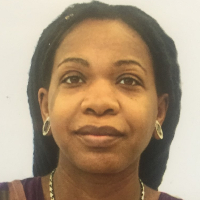
About Christal
Christal Bloomer offers steady, nonjudgmental support for people facing stress, anxiety, depression, grief, addictions, and shifts in life roles. She greets clients with simple warmness and invites them to bring their whole selves to sessions. Christal is a Licensed Professional Counselor who works from Texas and speaks English.
Her style is straightforward and person-focused. She uses talk-based tools to help people notice patterns, try new responses, and build practical coping skills.
Background and approach
Sessions often include goal-setting, skill practice, and checking what works between meetings. Christal draws on several clinical approaches to fit each person’s needs. She combines cognitive strategies to address unhelpful thinking with acceptance-oriented work to reduce struggling with difficult feelings.
Attachment-informed ideas guide conversations about relationships and trust. She has four years of experience as an LPC and brings particular attention to clients from marginalized and alternative communities. That background shapes how she listens and how she adapts interventions so they feel relevant and respectful.
Christal also helps people with issues such as ADHD, parenting strain, career stress, compassion fatigue, and identity concerns. Her practice welcomes practical problem solving alongside deeper work about meaning, connection, and recovery. To begin, she uses collaborative steps to set goals and choose methods that fit each person’s pace and preferences.
How therapeutic approaches fit into online sessions
Acceptance and Commitment Therapy helps people notice painful thoughts and feelings without getting stuck in them, then take steps toward what matters. It is useful for anxiety, depression, and coping with life changes. Cognitive Behavioral Therapy focuses on the links between thoughts, feelings, and actions, and offers practical skills to change unhelpful patterns and reduce distress.Finding the right approach is part of the work together. The therapist will collaborate with each person to choose methods that match goals, values, and daily life. That means trying techniques, checking what helps, and adjusting plans based on real progress and feedback.
Online formats include video calls, phone sessions, live chat, and text-based messaging to provide flexibility. Video calls work well for deeper conversations and seeing nonverbal cues. Phone sessions can be easier when bandwidth is limited or a shorter check-in fits the day. Live chat and text-based messaging let people keep therapy going between sessions and share updates in writing.
Questions people ask
What kinds of problems does this therapist help with?
What is the therapist's general approach in sessions?
How much clinical experience does the therapist have?
What are the therapist's credentials and where are they based?
Are sessions available in languages other than English or to international clients?
Which session formats does she offer?
How does payment and cost work?
What are the steps to begin working with this therapist?
What this counselor works with
Most often
Also listed
- Abandonment
- Addictions
- ADHD
- Adoption and foster care
- Aging and geriatric issues
- Anger management
- Antisocial personality
- Attachment issues
- Autism and Asperger Syndrome
- Avoidant personality
- BDSM, kink, and alternative sex culture
- Bipolar disorder
- Blended family issues
- Body image
- Cancer
- Career difficulties
- Caregiver issues and stress
- Chronic pain, illness, and disability
- Co-morbidity
- Coaching
- Codependency
- Commitment issues
- Communication problems
- Compassion fatigue
- Control issues
- Coping with life changes
- Coping with natural or human-caused disaster
- Dependent personality
- Depression
- Disruptive Mood Dysregulation Disorder (DMDD)
- Dissociation
- Divorce and separation
- Domestic violence
- Eating and food-related issues
- Emptiness
- Family conflicts
- Family of origin issues
- Family problems
- Fertility issues
- First responder issues
- Forgiveness
- Gender dysphoria
- Grief
- Guilt and shame
- Hearing impaired
- HIV / AIDS
- Hoarding
- Hospice and end-of-life counseling
- Immigration issues
- Impulsivity
- Infidelity
- Intellectual disability
- Isolation / loneliness
- Jealousy
- Life purpose
- Midlife crisis
- Money and financial issues
- Mood disorders
- Multicultural concerns
- Narcissism
- Obsessions, compulsions, and OCD
- Panic disorder and panic attacks
- Paranoia
- Parenting issues
- Personality disorders
- Phobias
- Polyamory / non-monogamous relationships
- Post-traumatic stress
- Postpartum depression
- Pregnancy and childbirth
- Prejudice and discrimination
- Process addiction (porn, exercise, gambling)
- Relationship issues
- Seasonal Affective Disorder (SAD)
- Self esteem
- Self-harm
- Self-love
- Sex addiction
- Sexual assault and abuse
- Sexuality
- Smoking / vaping cessation
- Social anxiety and phobia
- Traumatic brain injury
- Trichotillomania
- Visually impaired
- Women's issues
- Workplace issues
- Young adult issues
Therapeutic approaches
- Acceptance and Commitment Therapy (ACT)
- Attachment-Based Therapy
- Client-Centered Therapy
- Cognitive Behavioral Therapy (CBT)
- Dialectical Behavior Therapy (DBT)
- Emotionally-Focused Therapy (EFT)
- Existential Therapy
- Mindfulness Therapy
- Motivational Interviewing
- Narrative Therapy
- Solution-Focused Therapy
- Trauma-Focused Therapy
- Experience
- 4 years
- Licensed
- Texas
- Languages
- English